 Dodi Irawan
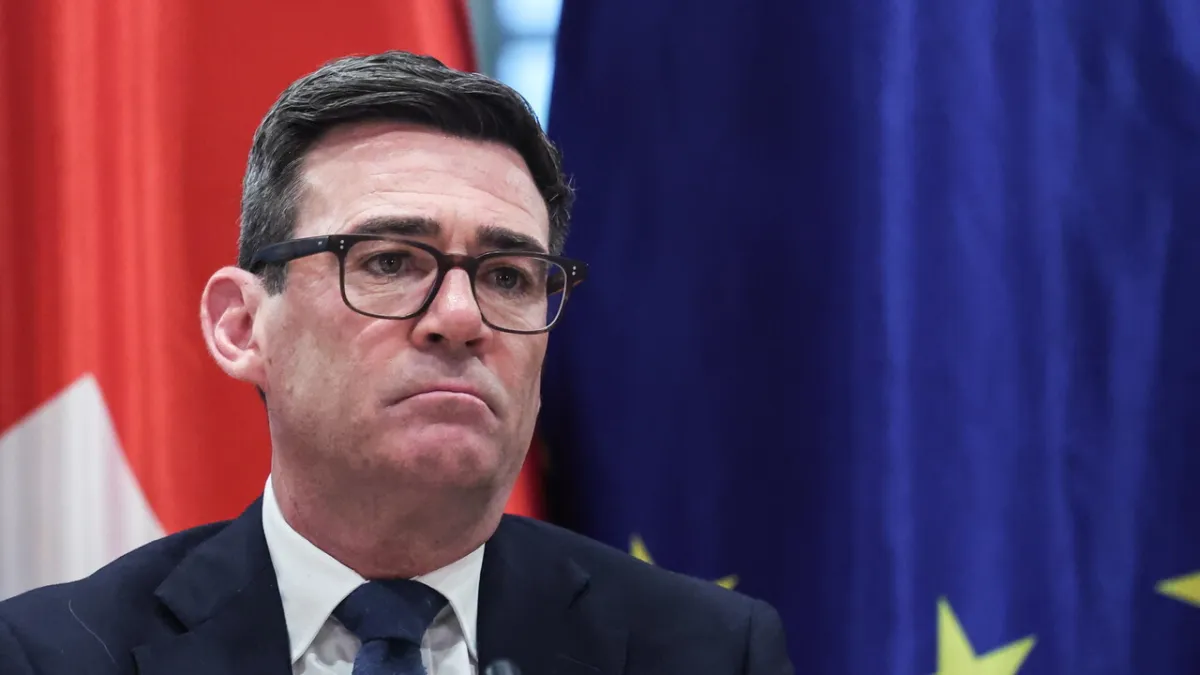
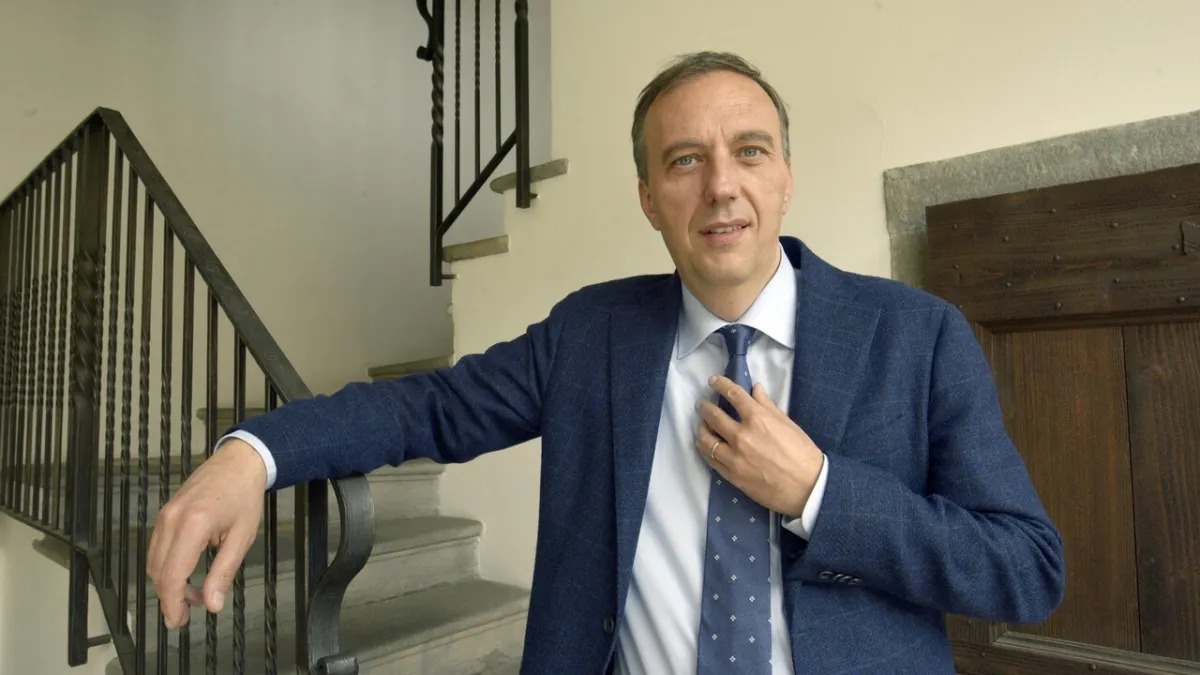
LONDON – Andy Burnham, a prominent senior political figure in the UK, has firmly articulated the necessity for Britain to re-engage with the European Union. This declaration emerges following his sharp critique of the post-Brexit status quo, which he deems insufficient, particularly amid escalating reports of alleged Russian interference in the Brexit referendum years ago.
Burnham, known for his pro-European views, emphasized that the current state of the UK's relationship with the 27-nation bloc is unsustainable. He asserted, 'the status quo is not enough', referring to the stagnation and various economic and geopolitical challenges Britain has faced since deciding to leave the European Union.
His call is not mere empty rhetoric, but a reflection of both internal and external political dynamics in the UK. Intelligence reports revealing potential Russian meddling in the Brexit referendum process have reignited public debate about the legitimacy and consequences of that decision.
'It is a necessity, a duty, for us to re-establish closeness with the European Union,' Burnham stated. He believes that closer cooperation would benefit the UK in terms of economy, security, and its geopolitical standing on an increasingly complex global stage.
Burnham's remarks highlight the deep divisions that persist within British society regarding Brexit. Although the referendum has passed, the long-term impacts of that decision continue to be a subject of intense debate in Westminster and across the nation.
Political analysts suggest that Burnham's push could signal an early shift in narrative among the opposition. With the 2029 General Election approaching, the issue of the UK's relationship with the European Union is highly likely to return as a central focus on the national political agenda.
Reports of Russian interference, which some claim influenced the Brexit referendum outcome, add urgency for the UK to re-evaluate its international relations strategy. The credibility of British democracy is at serious stake. This dynamic also aligns with other global issues such as strengthened sanctions against Russia by the European Union, as highlighted in EU Tightens Military Sanctions on Russia.
Britain's economic conditions, grappling with inflation, slowed growth, and global supply chain challenges, are often linked to the effects of Brexit. Burnham argues that a more pragmatic and collaborative approach with the European Union could offer solutions to some of these problems.
Various future challenges, from climate change to cybersecurity, demand a collective response from developed nations. The UK, with its history and capacity, should be at the forefront of international collaboration, not isolated by the walls of Brexit.
Concrete steps towards this 're-engagement' might include renegotiating trade agreements, participating in specific European Union programs, or even forming stronger political alliances.
This statement can also be interpreted as an effort to ease the political and social tensions that have persisted for many years. A stable and predictable foreign policy is the foundation for domestic prosperity.
Both the current Prime Minister and their cabinet will likely face pressure to respond to this call. Whether they maintain a hardline Brexit stance or begin to open up for further dialogue with Brussels will be a critical indicator of the future direction of British politics.
Editorial Insight: Andy Burnham's statement reflects the growing sentiment in the UK questioning the sustainability of the current Brexit model. With lingering reports of foreign interference and tangible economic challenges, pressure to review relations with the European Union will continue to mount. This is not merely an economic or political issue but a gamble on Britain's identity and future on the global stage.