 Chris Robert
VENICE – Two Italian humanitarian activists, Paula Jesus and Marco Cola, have finally returned to their homeland after being detained by Israeli authorities in the West Bank for a period. Their arrival today marks the end of a diplomatic tension that involved consular intervention, following their efforts to assist Palestinian farmers in harvesting olives in the conflict zone.
The detention of the couple garnered international attention as it occurred amidst escalating tensions in the occupied Palestinian territories. They were held on charges not transparently explained by Israeli authorities, although their families and supporting organizations affirmed that the two activists were solely engaged in humanitarian and agricultural activities.
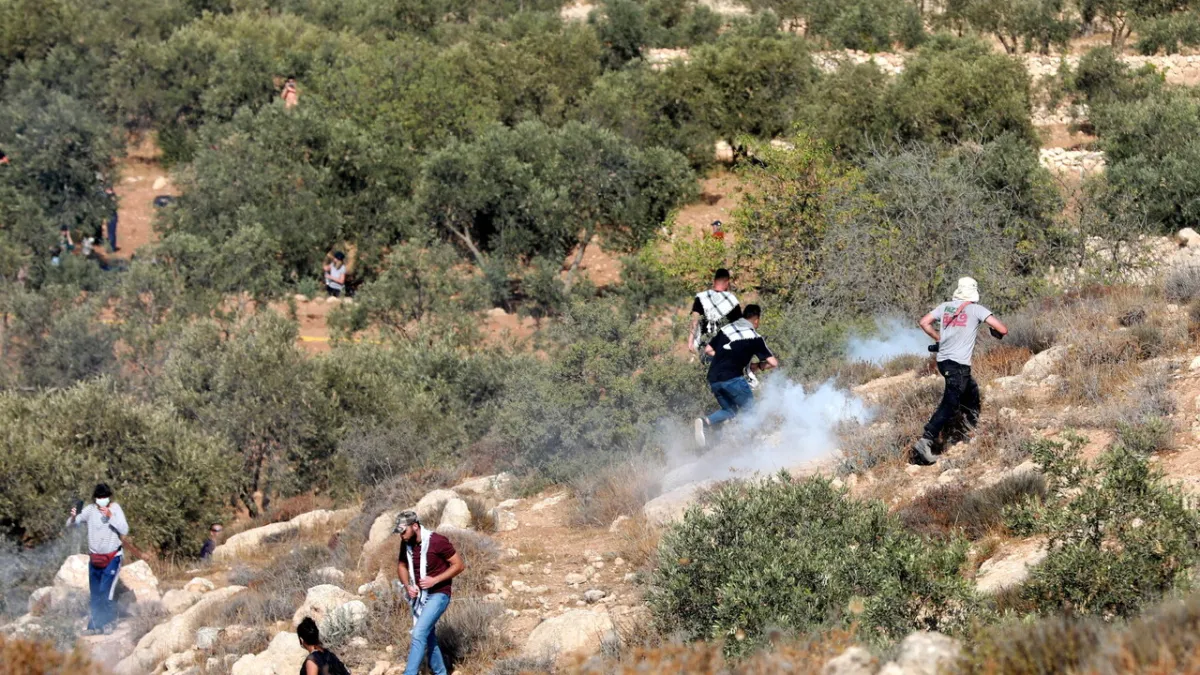
Paula Jesus and Marco Cola are known as active members of international solidarity movements that regularly support Palestinian communities. They voluntarily participated in the olive harvest accompaniment program, a crucial tradition for the local economy and a symbol of Palestinian cultural resilience, which often faces challenges from the occupying power.
Reliable sources close to the case reported that the arrests took place while Paula and Marco were in villages around Hebron, assisting farmers who frequently struggle to access their land due to military restrictions. They were forcibly taken to a detention center without adequate explanation, sparking serious concerns about their safety and human rights.
The Italian government, through its Ministry of Foreign Affairs, immediately took diplomatic steps. Intensive negotiations were conducted with Israeli authorities, demanding explanations and the immediate release of its two citizens. Pressure from European parliaments and human rights groups also contributed to expediting the release process.
Upon their arrival at Marco Polo Airport in Venice, Paula and Marco appeared exhausted but relieved. They were greeted by family members, government representatives, and fellow activists. Neither has yet given an official statement to the media, but their physical demeanor conveyed profound relief after the traumatic experience.
This incident once again highlights the complexity of the situation in the West Bank. This region is a focal point of the protracted conflict between Israel and Palestine, where issues related to human rights, land access, and freedom of movement are primary concerns for the international community. Activities like olive harvesting, which should be peaceful, are often drawn into political tensions.
The case of Paula Jesus and Marco Cola has the potential to increase European public awareness of the suffering of Palestinians and the challenges faced by humanitarian activists on the ground. It may also spark further debate regarding Israel's treatment of foreign nationals working in the occupied territories.
The unrest in the West Bank runs parallel with broader conflict dynamics in the Middle East, such as Israel's internal political situation and tensions in the Arabian Peninsula. All these factors form a complex geopolitical mosaic, requiring careful diplomatic handling from various parties.
Despite the risks of detention and intimidation, many international activists remain committed to supporting civil society in Palestine. This case is unlikely to dampen their spirits; rather, it may strengthen their resolve to continue advocating for justice and humanity.
Editorial Insight:
The events affecting Paula Jesus and Marco Cola serve as a stark reflection of the risks faced by individuals who choose to stand with vulnerable communities in conflict zones. This incident also reminds the international community of the importance of protecting humanitarian activists and the urgency of achieving a just and lasting resolution to the Palestinian-Israeli conflict. While their release is a cause for relief, the underlying issues that led to their detention are far from resolved.