 Angel Doris
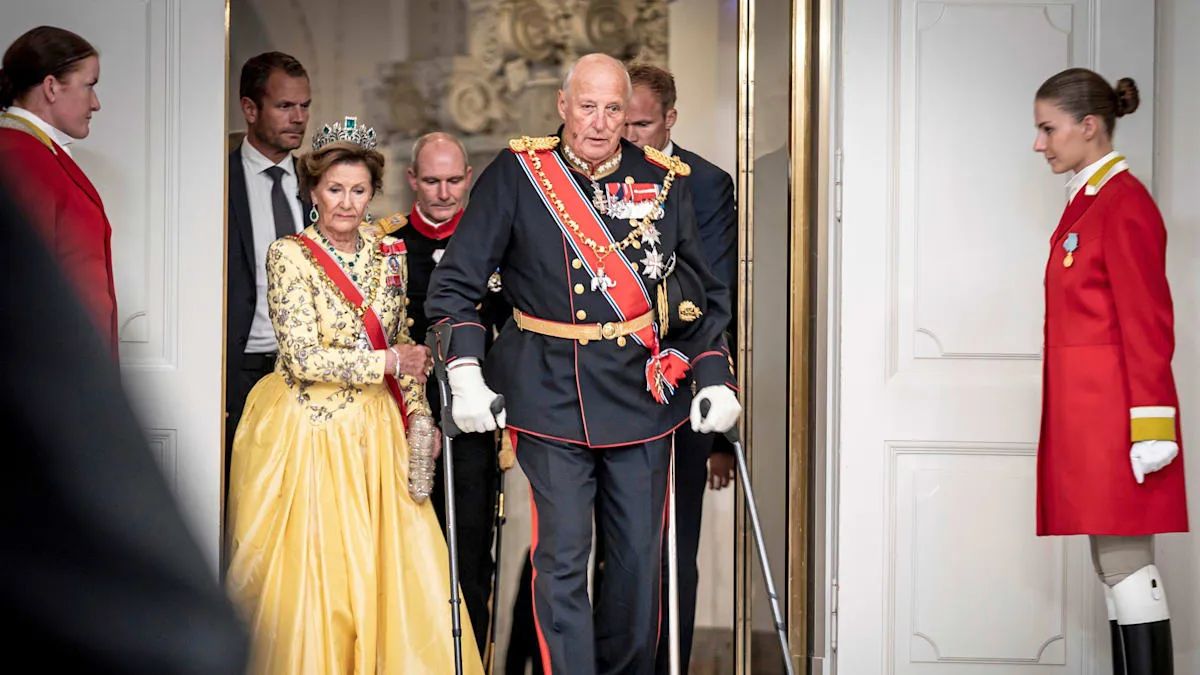
OSLO – King Harald V of Norway, Europe's longest-reigning monarch, has passed away at the age of 89 in Oslo. The departure of a leader who had battled a series of illnesses leaves profound grief for the people of Norway and the global monarchical community.
King Harald V ascended to the throne in 1991, continuing the legacy of his father, King Olav V. For over three decades of his leadership, he was known as a symbol of stability, unity, and the modernization of the Norwegian monarchy. His dedication to state duties and his closeness to the people characterized his reign.
The King's health had been a public concern in recent years. He underwent various medical procedures, including heart surgery and treatment for recurrent respiratory infections. Nevertheless, he consistently showed remarkable resilience and an unwavering commitment to serving his country.
The people of Norway saw King Harald V as a unifying figure. He successfully maintained the monarchy's relevance amidst an increasingly dynamic modern society, often with a relaxed yet dignified style. This included his genuine interactions with ordinary citizens, which made him deeply beloved.
His death also resonated on the international stage, given his position as one of the world's oldest heads of state. Leaders from various parts of Europe and the world are expected to convey their condolences and remember his contributions to diplomacy and regional stability.
With the passing of King Harald V, the torch of leadership automatically transfers to Crown Prince Haakon. He had actively taken over several royal duties during King Harald's illness, preparing for his role as the next King of Norway.
Crown Prince Haakon, along with his wife Crown Princess Mette-Marit, is expected to lead the Norwegian monarchy into a new era, maintaining traditional values while remaining relevant to the demands of the 21st century. This transition is anticipated to proceed smoothly due to thorough preparation.
The Norwegian monarchy has a long history deeply rooted in national identity. Since its independence from Sweden in 1905, the royal family has been a crucial pillar representing the sovereignty and democratic values of this Scandinavian nation.
King Harald V is remembered not only as a monarch but also as a warm and humorous individual. Stories of his simplicity and his love for Norway's nature were often discussed, revealing the human dimension behind the crown.
King Harald V's most important legacy is perhaps his ability to maintain the monarchy's popularity and legitimacy in the modern era. He navigated Norway through various social and political changes, ensuring that the royal institution remained an integral and respected part of national life.
The official announcement of the King's passing immediately triggered a period of national mourning in Norway. Flags will be flown at half-mast across all government buildings and public institutions, while various state events will be held to honor the late King.
The state funeral is expected to attract global attention, with the presence of various heads of state and royal family members from around the world. This will be the final moment to pay tribute to a King who dedicated his life to his people and his country.
Editorial Insight: The passing of King Harald V marks the end of an era for Norway. Although his role was largely ceremonial, his influence on social cohesion and Norway's representation on the global stage was significant. The transition of leadership to King Haakon is likely to occur without upheaval, continuing the stability built by his predecessor. This also serves as a reminder of the challenges facing European monarchies in maintaining relevance amidst an evolving society.