 Angela Stefani
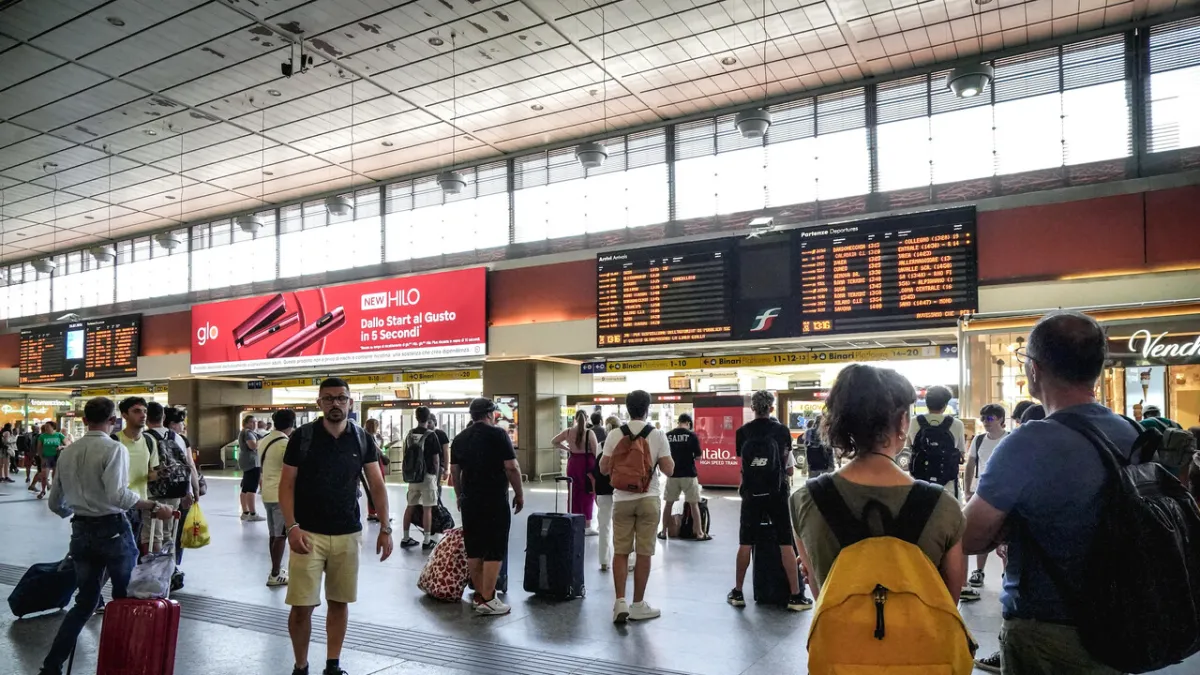
ROME – Starting tonight at 9:00 PM local time, Monday, October 20, 2026, until 9:00 PM tomorrow evening, Italy's entire railway network will face massive disruption. Personnel of Ferrovie dello Stato (FS), the national railway operator, have initiated a full 24-hour nationwide strike. This action is expected to paralyze most transportation services across the country, causing significant chaos for millions of commuters and travelers who rely on rail transport.
Italian railway union federations, representing thousands of drivers, conductors, and operational staff, announced this strike as a pressure tactic over demands for improved working conditions and stagnant wage negotiations. They are calling for fairer salary adjustments amidst rising inflation, as well as enhanced safety standards and more humane working hours.
Ferrovie dello Stato management has confirmed the strike and issued a public warning. Nevertheless, authorities assure that essential services in the regional transport sector will continue to operate. This aims to minimize the most severe impacts on the public who must still carry out their daily activities, especially in urban areas and their surroundings.
Several main routes in major cities such as Milan, Florence, Venice, and Naples are expected to experience drastic schedule cancellations. Passengers who have purchased tickets are advised to check their travel status via the official FS website or mobile application before departing. Many are opting for alternative transport, such as intercity buses or ride-sharing services.
This strike is not the first in Italy, a country that frequently witnesses protests from various worker sectors. Historically, government intervention is often necessary to ease tensions between unions and state-owned company management. However, this time, dialogue between both parties appears to have reached an impasse.
Economic experts predict that this strike could incur substantial financial losses for the Italian economy. The tourism sector, heavily reliant on railway connectivity, will feel an immediate impact. Many foreign tourists may be stranded or forced to abruptly change their travel plans, tarnishing the countrys image of transport efficiency.
This is an urgent call to the government and FS management, stated Marco Rossi, a representative of the FILT-CGIL union, at a press conference in Rome this morning. Rossi further explained that they are not seeking confrontation but justice, and their demands have been presented repeatedly with minimal response, making the strike a last resort.
In response to the situation, the Italian Ministry of Infrastructure and Transport has urged all parties to exercise restraint and return to the negotiating table. The government emphasized the importance of maintaining vital public services without neglecting workers rights. However, there are no concrete signs yet regarding the resumption of negotiations.
Citizens and tourists are advised to plan their journeys carefully and consider alternative travel options. Some domestic airlines report an increase in demand for short-haul routes, while bus companies are also preparing for a significant surge in passengers.
The continuity of mobility in Italy will largely depend on a swift response from the relevant parties. The public hopes that a solution will be reached soon before the economic and social impacts of this strike spread further. The tension between workers rights and the need for uninterrupted public services remains a complex dilemma requiring judicious handling.
Editorial Insight:
This strike by Italian railway personnel is not merely an isolated incident but a reflection of deeper structural tensions between labor demands and the capacity of the government or state-owned companies to respond adequately. In the context of 2026, where post-pandemic economic recovery and inflationary pressures remain central issues, such protests can slow growth and erode public confidence in national infrastructure stability. It is crucial for the government to not only mediate but also to be the architect of long-term solutions that address the root causes of worker welfare without sacrificing the smooth functioning of the economy.