 Dorry Archiles

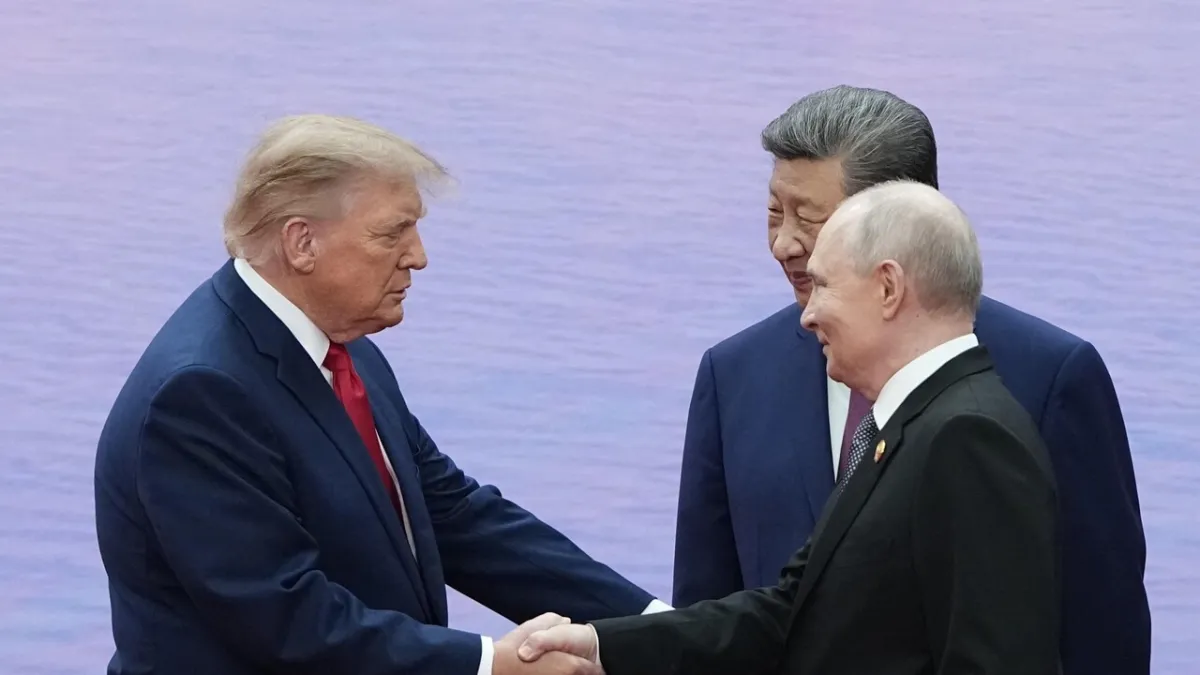
ABU DHABI – Delegations from Ukraine, Russia, and the United States are scheduled to meet in Abu Dhabi next week in an effort to find a diplomatic solution to the protracted conflict. This meeting, believed to be a significant step amidst negotiation deadlock, has sparked widespread speculation. However, views on the potential for a 'major breakthrough' as announced by President Donald Trump, are now shrouded in skepticism by many.
Reporter Daniel Koop, who follows regional geopolitical dynamics, expressed sharp skepticism. He stated, 'The big breakthrough, as Trump announced it, I do not expect it to happen.' Nevertheless, Koop added that the existence of these new talks is a good sign, indicating a willingness to communicate.
The conflict in Eastern Europe has entered an even more complex new phase, involving global power dynamics and affecting international economic stability and security. Every diplomatic effort, no matter how small, is always a major focus for the global community longing for peace.
The presence of the United States in this tripartite meeting is crucial, not only as a mediator but also as a key actor with significant influence over both parties. Washington's role in pressuring or facilitating negotiations will determine the direction of the talks.
President Donald Trump, since the beginning of his renewed term, has repeatedly expressed optimism about achieving a swift resolution to the Ukrainian conflict. However, the realities of the battlefield and fundamental differences between the warring nations present diplomatic challenges far greater than mere political announcements.
The Ukrainian delegation is expected to remain firm on their demands for sovereignty and territorial integrity, rejecting territorial concessions deemed to violate international law. This is a difficult red line to negotiate.
Meanwhile, Russia is anticipated to insist on security demands and recognition of the territories it has annexed. These fundamentally differing positions constitute major obstacles to reaching a lasting agreement.
The challenge for mediators in Abu Dhabi is how to bridge these extreme gaps in demands. The low level of trust between conflicting parties, coupled with the complexity of intertwined issues, makes any progress require extraordinary effort.
The choice of Abu Dhabi as the venue for the talks highlights the importance of finding a neutral ground that can facilitate dialogue without bias. The United Arab Emirates has long sought to position itself as a regional and global diplomatic hub, providing a safe platform for sensitive negotiations.
Despite tempered expectations for an instant breakthrough, the fact that all three parties are willing to sit together remains a positive signal. This indicates at least a desire to keep communication channels open, which is a fundamental step in preventing further conflict escalation in 2026.
Peace talks of this kind are often a long and winding marathon process, not a quick sprint. Patience and a long-term strategy are essential to produce meaningful resolutions.
Ultimately, the minimum hope from this meeting is to pave the way for more substantive dialogue in the future, gradually building trust, and perhaps, establishing a framework for more comprehensive negotiations, even if a final agreement is still distant.
Editorial Insight:
These Abu Dhabi talks reflect the intricate geopolitical dynamics post-conflict. Skepticism towards a quick breakthrough is indeed realistic given the deep chasm of differences between the parties. However, this meeting should not be underestimated. Its existence, even without dramatic results, is an indicator that diplomacy still has a role, however narrow, amidst global tensions. It is crucial for the international community to continue to encourage such dialogue as a foundation for long-term stability, regardless of optimistic narratives from certain political actors. This is a small but essential step in an ongoing marathon for peace.