 Stefani Rindus
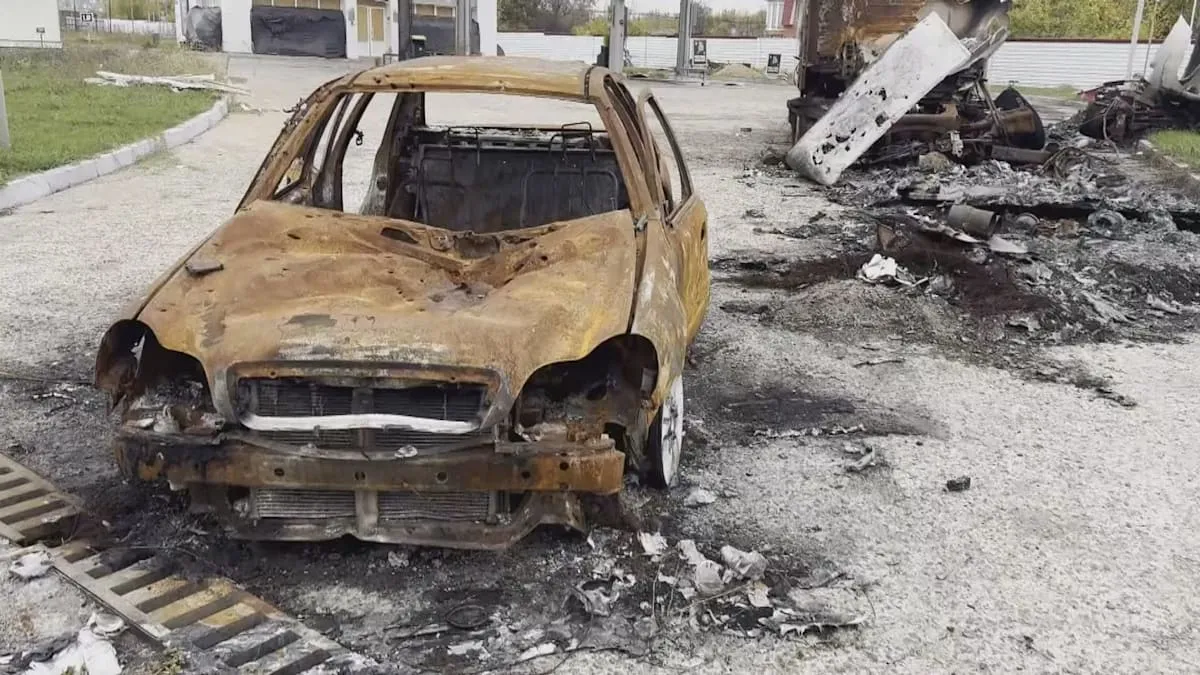
KHERSON – In the city of Kherson, Ukraine, the echoes of war are not mere television news; they constitute a daily reality woven into every passing moment. Even as drone alarms frequently blare across the skies, the city's inhabitants choose not to succumb to despair. They steadfastly maintain fragments of normal life, a profound testament to resilience amidst an enduring conflict.
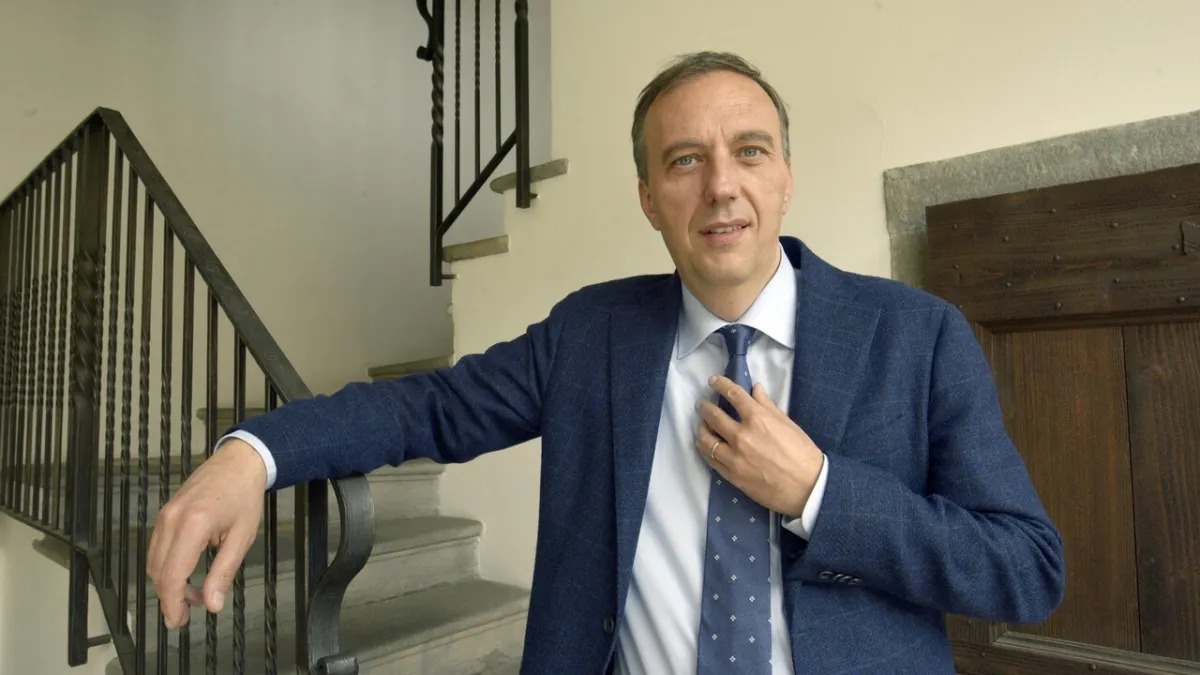
A senior journalist from WELT, Steffen Schwarzkopf, reports directly from this unrelenting battleground. His dispatches highlight how, beneath the thud of artillery and aerial threats, the pulse of civilian life continues. Markets remain operational, children, under strict supervision, are occasionally seen playing, and small coffee shops still serve patrons seeking a moment of warmth amidst the winter of conflict.
The pervasive presence of drones, the most striking symbol of modern warfare, has irrevocably altered the rhythm of life in Kherson. Residents have learned to discern their distinctive sounds, differentiating between an approaching threat and a mere patrol. Early warning systems have become an integral part of their routine, prompting swift and collective responses.
Yet, this adaptation is far from easy. Each day presents a gamble, a mental and physical struggle to prevent destruction from eroding the essence of humanity. Many families have lost homes, livelihoods, and loved ones. The scars of conflict are etched visibly across the city's landscape, and equally upon the souls of its people.
The local government, though operating under constant duress, strives tirelessly to keep essential infrastructure functioning. Public services such as electricity, clean water, and basic food supplies are paramount priorities. These are heroic efforts aimed at ensuring that the fundamental tenets of civilization do not entirely collapse.
Individual stories of fortitude frequently surface. A single mother insists on opening her bakery every morning, a teacher continues lessons in an underground bunker, or a farmer tends crops on land near the front line. These narratives serve as potent reminders of an unbroken spirit.
Community solidarity has also strengthened. Neighbors assist one another, sharing limited resources and offering moral support. These informal networks form the backbone for survival in an environment fraught with uncertainty. They forge a broader 'family' where everyone acts as each other's guardian.
The threat of air and ground attacks remains palpable. Schwarzkopf recounts witnessing moments of high tension, where split-second decisions could mean the difference between life and death. However, he also observed moments of quiet determination, where hope and togetherness seized the narrative.
The volatile geopolitical conditions ensure that the future of Kherson and the broader Ukrainian territory remains uncertain. Nevertheless, through reports from the front lines, the world can witness that behind statistics and headlines, there are human faces striving for existence, dignity, and simple happiness.
Editorial Insight: The situation in Kherson serves as a microcosm of the larger conflict, unveiling humanity's extraordinary resilience in the face of calamity. The continuation of daily life is not merely routine but an act of passive resistance affirming human spirit. It underscores the fundamental human desire to maintain normalcy, even when the surrounding reality is entirely abnormal. Psychologically, its impact may be even more profound than physical destruction, shaping a generation that will forever remember how they fought for hope amidst war.