 Chris Robert
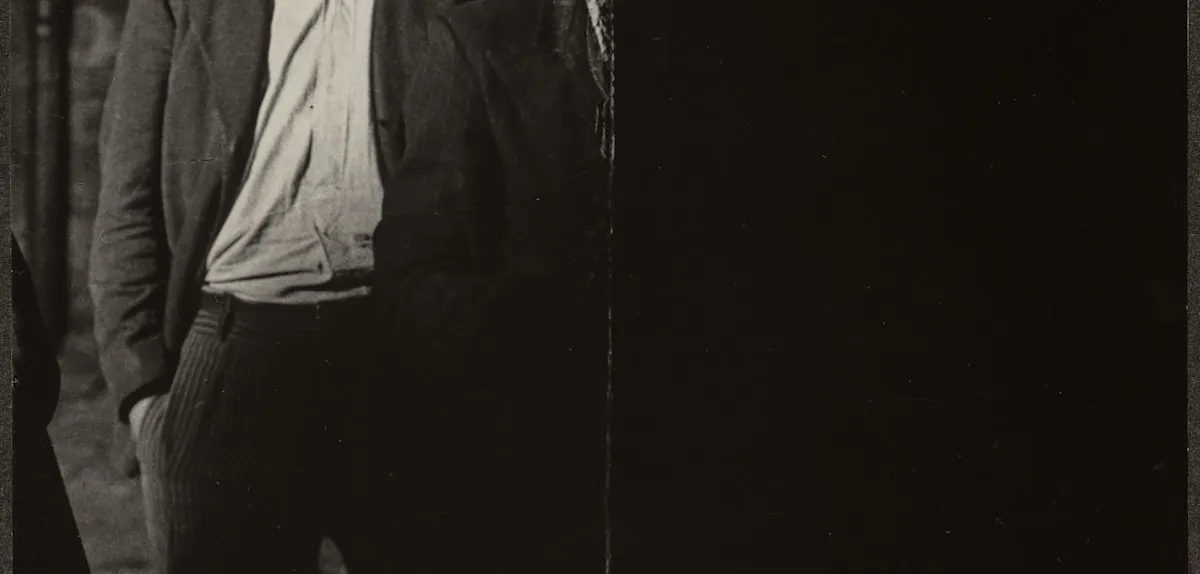
Germany – The world of photographic art is abuzz following the opening of the first retrospective exhibition of Brassaï's work, the legendary photographer who immortalized the soul of Parisian nightlife, in Germany in 2026. This historic exposition, according to the maestro's gallerist, reveals the deep trust between Brassaï and his subjects, while showcasing an invaluable collection for art enthusiasts and global collectors alike.
This highly anticipated exhibition offers a rare opportunity to delve into the visual archives of Brassaï, the pseudonym of Gyula Halasz, a Hungarian artist who migrated to Paris. He was dubbed The Eye of Paris for his ability to capture the city's essence, particularly its dark and mysterious side, through his camera lens. His works transcend mere documentation; they are poetic interpretations.
Brassaï's gallerist, speaking to the media, emphasized the extraordinary access the photographer possessed. 'They must have trusted him immensely, to let him get so close,' he stated, referring to the inhabitants of the Parisian underworld who became Brassaï's eternal subjects. This trust allowed Brassaï to capture unfiltered intimate moments, showcasing a raw and unexpected human side.
His portraits depict prostitutes, thugs, street workers, as well as artists and intellectuals interacting in dimly lit cafes and cabarets. Each photograph is a story enveloped in shadow and light, reflecting a life full of contradictions, beauty, and fragility. Through his works, Brassaï elevated the dignity of those often marginalized by society.
The exhibited collection includes vintage prints, contact sheets, and previously unpublished personal documents. The exhibition's meticulous curation highlights Brassaï's artistic evolution, from his early works to his peak as an icon of modern photography. This is not merely a photo exhibition; it is a visual journey into the heart of Parisian night.
According to the gallerist, some images in the exhibition hold particular value for collectors. This is due to their rarity, physical condition, and especially the narrative behind each piece, which enriches our understanding of Brassaï and the era he immortalized. The art market, particularly for vintage photography, continues to show an upward trend.
Brassaï's ability to capture nuances of emotion and atmosphere so powerfully made him a pioneer. He not only documented but also interpreted and breathed life into every frame. The nocturnal photography he popularized is now a respected sub-genre in the art world.
This exhibition not only celebrates Brassaï's legacy but also underscores the vital role of photography as a fine art medium. Amidst the current dominance of digital imagery, Brassaï's analog works remind us of the power of observation, patience, and the sensitivity of a true artist.
This retrospective event is expected to attract thousands of visitors from across Europe and the world, proving that the allure of the mystery and beauty of Parisian night captured by Brassaï remains timeless. Visitors will have the opportunity to experience the same atmosphere as the photographer did over half a century ago.
Editorial Insight: The Brassaï exhibition in Germany in 2026 transcends mere art appreciation; it serves as a case study in visual journalism and the ethics of documentation. Brassaï's success in building trust with his subjects offers a valuable lesson for every journalist. His timeless appeal demonstrates that human narratives, in all their forms, remain universally relevant and possess deep intrinsic value, both artistic and historical. This also reaffirms photography's increasingly promising position as an art investment.