 Edward DP Situmorang
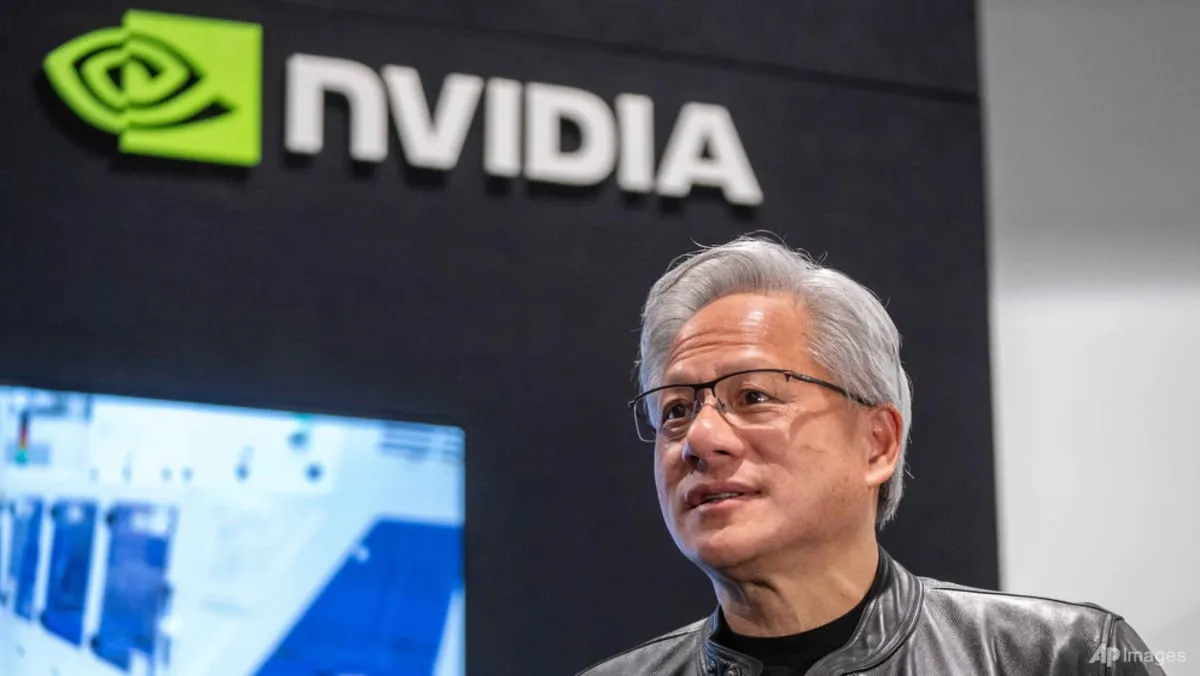
JAKARTA – Semiconductor giant Nvidia finds itself ensnared in a whirlwind of intense global scrutiny in 2026. The company, renowned as a leader in chip innovation, faces deep investigations regarding alleged violations of advanced chip export regulations to China, compounded by emerging corporate governance issues implicating CEO Jensen Huang. This situation has triggered serious concerns among investors and regulators, questioning the company's future amid an increasingly complex geopolitical landscape.
The primary concern revolves around reports suggesting Nvidia may have circumvented export restrictions imposed by the United States government. These restrictions aim to hinder China's access to high-end AI chip technology, deemed crucial for their military and technological ambitions. Several reports indicate schemes involving the sale of modified products or unofficial channels to maintain market share in China, a market vital to Nvidia's revenue.
The US government, under President Donald Trump who has returned to office, has further tightened its regulatory grip on technology companies doing business with China. The Departments of Commerce and National Security have reportedly initiated a series of investigations, demanding detailed explanations from Nvidia regarding their export practices. Potential sanctions or massive fines loom if violations are proven.
Alongside these geopolitical issues, a wave of questions concerning corporate governance has also surfaced. Rumors of an 'affair' or serious problems involving CEO Jensen Huang have become a hot topic on Wall Street and in Silicon Valley. While specific details remain vague, speculation circulates regarding potential conflicts of interest, questionable strategic decisions, or ambiguities in company accounting practices. Previous publications even highlighted a governance storm shaking Nvidia, indicating that internal issues are not new.
Market analysts, such as Dr. Evelyn Reed from Capital Dynamics, stated that 'the combination of geopolitical pressure and internal governance problems is a perfect recipe for volatility. Investors demand transparency, especially from market leaders like Nvidia.' This statement underscores the market's currently cautious sentiment towards the company's stock.
The ongoing investigation is not without precedent. Over the past few years, trade and technology tensions between the US and China have placed many multinational corporations in difficult positions. Nvidia, as a pioneer in AI semiconductors, naturally becomes one of the key players most exposed to these risks.
Industry experts observe that China's dominance in several technology sectors further complicates these dynamics. Global reliance on China's supply chains and market serves as a double-edged sword for Western companies.
Nvidia management, through a spokesperson, expressed full commitment to cooperating with all relevant authorities. 'We have always operated in compliance with applicable laws and regulations in every jurisdiction where we do business,' said the spokesperson in an official statement. However, this statement has not been enough to alleviate market concerns.
The direct impact of this scrutiny has been visible in Nvidia's stock movement. After a period of phenomenal growth, the stock price experienced a significant correction, even though the company's fundamentals remain relatively strong. Investors are awaiting further clarity before taking more aggressive positions.
This situation also sparks a broader debate about corporate ethics and corporate social responsibility in an era of geopolitical competition. Should companies prioritize profit in lucrative markets or fully adhere to their home country's policies, even if it means losing significant market share?
Similar questions now haunt Nvidia's board of directors, who face the formidable task of navigating this dual crisis. Brand integrity and investor trust will heavily depend on how the company responds and resolves the existing issues.
Editorial Insight:
The crisis engulfing Nvidia in 2026 is not merely a legal or financial matter; it is a barometer for the tumultuous global technology landscape. Companies must find a balance between innovation, growth, and regulatory compliance amidst intense geopolitical pressures. How Nvidia handles the China chip scandal and internal governance issues will serve as a crucial case study for the technology industry and may reshape global business practices in the future. Jensen Huang's leadership is under intense scrutiny, and a transparent, decisive resolution is key to restoring confidence.