 Dorry Archiles
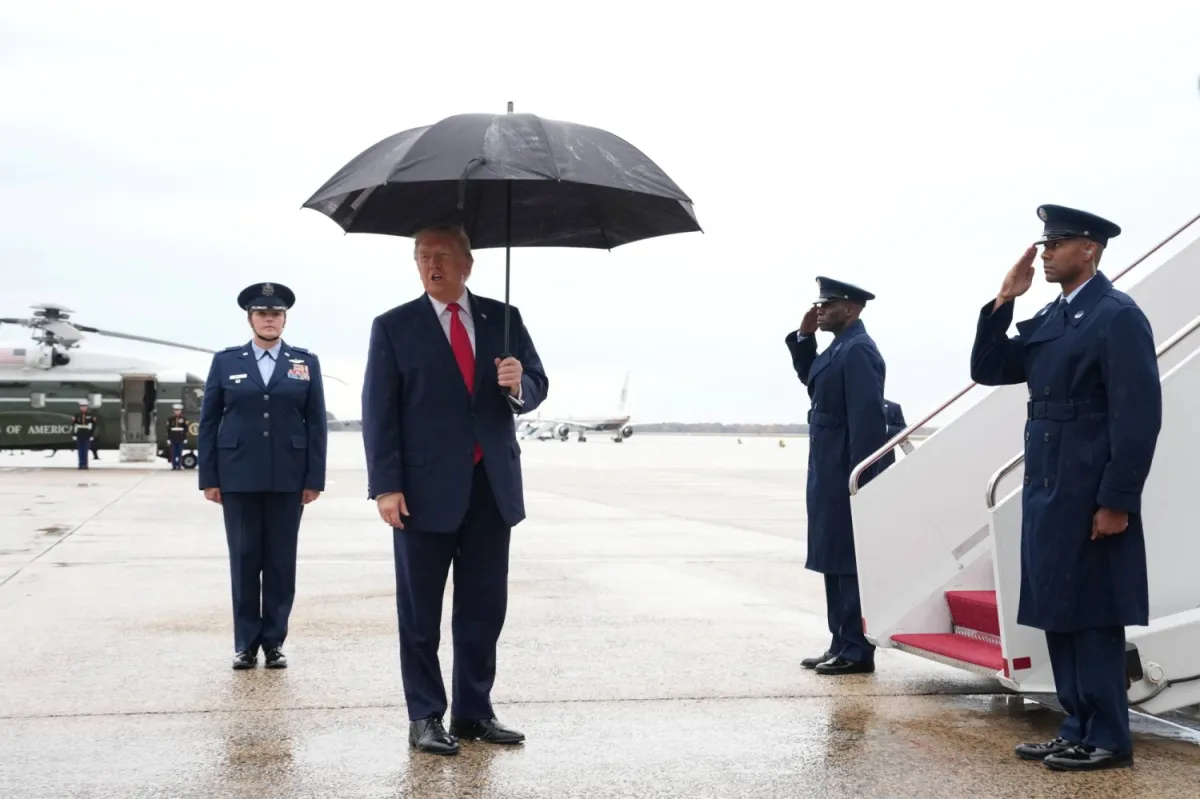
WASHINGTON D.C. – The political dynamics following the midterm elections in the United States have ignited a fierce internal battle over the direction of the superpower's foreign policy in 2026. This crucial debate emerged immediately after election day, underscoring efforts to determine global diplomatic priorities and strategies amidst complex domestic and international turmoil. Washington has become the epicenter of a tug-of-war between the White House and Congress in shaping the US narrative and actions on the world stage.
The results of the midterm elections, held in late 2025, did not yield fundamental or tectonic shifts in the US foreign policy architecture. However, this phenomenon has deepened divisions and disagreements among political factions. Each faction now seeks to assert its vision for global challenges, ranging from competition with China to regional crises.
Some political observers suggest that midterm elections often serve as a barometer of public sentiment towards the ruling party's performance. Although not changing the presidency, changes in congressional composition can significantly impact President Donald Trump's ability to pass legislative agendas, including those related to foreign policy funding and direction.
The issue of competition with China stands as one of the central points of contention. Several members of Congress are pushing for a more aggressive approach towards Beijing, particularly on trade and technology issues. Concerns about China's dominance in crucial sectors, such as the technology and semiconductor industries, further exacerbate the situation.
On the other hand, there are also voices advocating for a more pragmatic diplomatic approach, avoiding direct confrontation that could potentially harm the global economy. President Trump, with his 'America First' philosophy that has underscored his presidency, faces pressure from various directions to balance national interests with international stability.
This debate is not solely focused on China. Policies towards traditional allies, interventions in conflict zones, and commitments to multilateral organizations also form an arena for ideological battles. There is a push to strengthen alliances like NATO, but also a desire to review the burden and obligations of the US in such pacts.
Foreign policy analyst from a prominent Washington think tank, Dr. Elena Petrova, stated that 'midterm elections do not drastically change the ship's course, but they change the crew at the helm, and that is enough to create significant tension and priority revisions.' This statement affirms that while there may not be a policy revolution, an evolution of priorities remains inevitable.
These dynamics also impact global economic and technological issues. For instance, discussions about supply chain security and technology regulation, especially after scandals involving companies like Nvidia and the China chip issue, become an integral part of foreign policy formulation. This indicates that economy and national security are increasingly inseparable.
Policymakers are now tasked with aligning constituent expectations with geopolitical realities. With President Trump at the helm, expectations for a firm approach in international negotiations remain high. However, the diversity of voices in Congress demands compromise and broader consensus-building.
This uncertainty could lead to a temporary diplomatic 'limbo' period, during which other nations closely observe how the United States will navigate its internal divisions. Decisions made in the coming months will determine the face of US diplomacy for the remainder of the presidential term and beyond.
Editorial Insight: The internal struggle over US foreign policy post-2025 midterm elections reflects the complexity of modern democracy. While the narrative suggests 'no tectonic shifts,' substantial friction at the implementation level can have significant impacts on global alliances and the balance of power. Washington's ability to project its strength and influence in the world will heavily depend on how effectively it addresses these differing viewpoints and unifies its strategy, particularly amid escalating geopolitical tensions with powers like China.