 Chandra Wijayanto

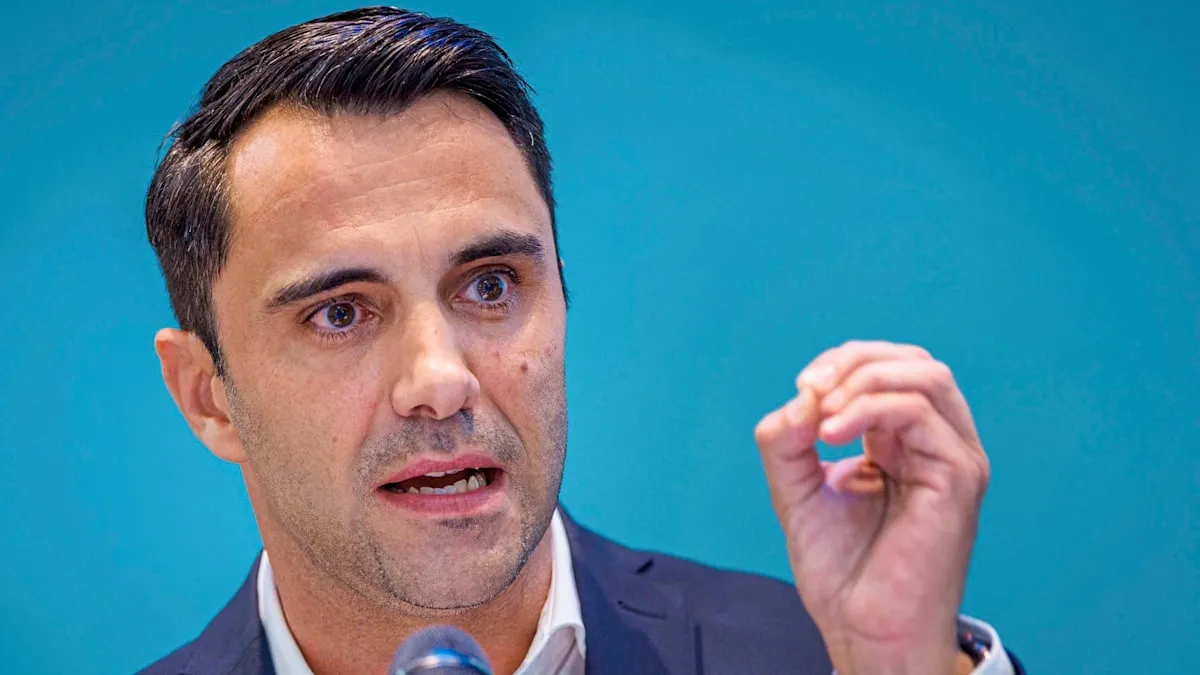
BERLIN – Mathias Dopfer, CEO of media giant Springer, in a recent exclusive interview, predicted a human renaissance in the turbulent global media landscape of 2026. He emphasized the importance of journalistic essence amid the penetration of artificial intelligence (AI), the dominance of digital platforms like TikTok, and intense political dynamics, including the debate over banning the Alternative for Germany (AfD) party and the ambitious expansion efforts of investor Peter Thiel.
Dopfer stated that this fast-paced digital era demands deep reflection on the fundamental role of journalists. As AI technology becomes more sophisticated in processing information and even generating content, the question of human added value becomes increasingly relevant. According to him, this is precisely where the renaissance of journalistic essence lies: the human ability for in-depth analysis, empathy, and nuanced interpretation.
This digital transformation is also heavily influenced by the massive impact of social media platforms. TikTok, for example, has changed how millions consume news and information, challenging traditional media business models. Dopfer acknowledged that media must be adaptive, but at the same time, he warned about the dangers of superficiality and the loss of depth in narrative delivery, which often characterizes content on such short-form platforms.
We will experience a renaissance of the human, Dopfer affirmed, reiterating his belief that human elements—such as empathy, perspective, and creativity—will be the determinants of journalistic quality and credibility in the future. He highlighted that amid a flood of information and disinformation, journalists' ability to present stories with integrity and profound meaning is irreplaceable.
Beyond technology, the global political landscape also draws serious attention. Dopfer specifically mentioned the debate regarding the potential ban of the AfD in Germany. He emphasized that in such situations of political polarization, strong and independent journalism plays a crucial role in presenting facts, analyzing implications, and providing space for diverse perspectives without bias, thereby safeguarding the pillars of democracy.
Media business expansion into English-speaking markets, often driven by investor figures like Peter Thiel, is also part of Dopfer's vision. He sees it as an opportunity to reach a wider audience but also a challenge to maintain quality and local relevance amid globalization. Cultural integration and contextual understanding are key in this expansion strategy.
Journalism, in Dopfer's view, is not just about reporting 'what' happened, but 'why' and 'how' it happened. This involves in-depth investigation, rigorous fact-checking, and the ability to weave coherent and meaningful stories. These are the aspects that, according to him, will always require a human touch, regardless of AI's advancements.
Some of the key challenges facing media in 2026 include:
- The increasing spread of misinformation and fake news.
- Financial pressure due to declining advertising revenue and unstable subscription models.
- A loss of public trust in mainstream media in several countries.
- Adapting to continuously changing audience preferences, especially among younger generations.
Dopfer remains optimistic that media will find its way. The key to success lies in the willingness to innovate while adhering to ethical and responsible journalistic principles. Investment in quality journalists, appropriate supporting technology, and smart distribution strategies are crucial.
He envisions a future where AI serves as a powerful assistant to journalists, freeing them from repetitive tasks so they can focus on creative and analytical work. Collaboration between humans and machines, according to Dopfer, will become the standard operating model in modern newsrooms.
Editorial Insight: Mathias Dopfer's views underscore a paradigm shift in the world of journalism in 2026. Optimism for a 'human renaissance' amid technological dominance does not imply rejecting AI but rather a call for recalibrating focus. This era demands journalists to be not only adaptive to new tools but also to reinforce the core of their profession: objectivity, empathy, and storytelling abilities unique to humans. This highlights the urgency for every media institution to invest in journalistic talent and rebuild public trust through content that is integral and relevant amidst inevitable disruption.