 Chandra Wijayanto
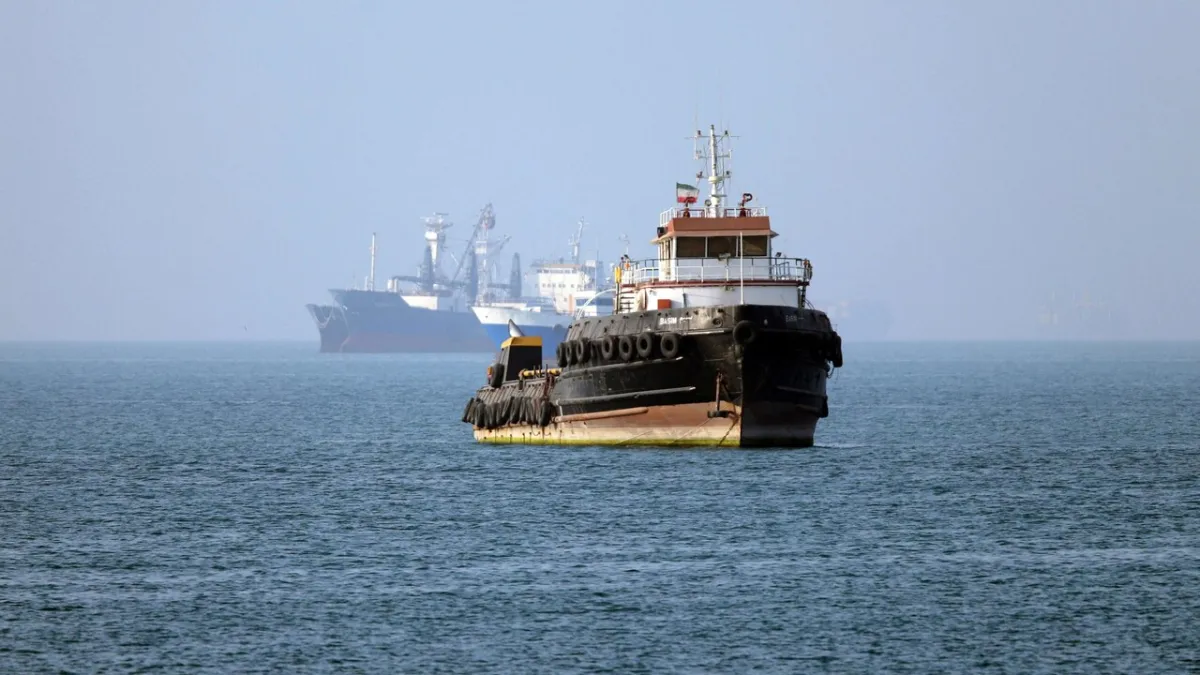
TEHRAN – A shocking incident rocked the Strait of Hormuz early Monday morning local time, when an Iranian-flagged merchant vessel was reportedly targeted in an attack. The event claimed one life and injured three other crew members, sparking serious concerns regarding maritime security in one of the world's most vital shipping lanes. Iranian authorities have confirmed the assault, which occurred off the coast of Hengam and Qeshm islands, but the motives and perpetrators behind this brutal act remain shrouded in mystery.
The incident immediately garnered global attention given the Strait of Hormuz's strategic position as the primary gateway for a significant portion of Middle East oil exports. Any disruption in this channel has the potential to trigger global energy market turmoil and escalate regional tensions. Details concerning the type of attack or weapons used have not been officially disclosed, leading to widespread speculation and profound questions.
Iran's Foreign Ministry, through its spokesperson Abbas Mousavi, stated that a comprehensive investigation is underway. Mousavi strongly condemned the attack as an intolerable act of maritime terrorism and urged the international community to unequivocally denounce the incident. He also called on all parties to refrain from provocative actions that could further exacerbate the situation in the region.
The Strait of Hormuz, connecting the Persian Gulf to the Arabian Sea, has been a flashpoint for geopolitical tensions for years. Similar incidents, such as attacks on oil tankers and vessel seizures, are not new to these waters, often linked to disputes between Iran and various Western nations and their allies. Tensions between Iran and the United States, in particular, have repeatedly escalated in the area.
Following the attack, rescue operations and the evacuation of the injured were promptly initiated. The three wounded crew members are currently receiving intensive medical treatment, while forensic investigations continue at the scene to gather crucial evidence. The identities of the deceased and other crew members have not yet been publicized pending further confirmation from relevant authorities.
Concerns about the impact on global oil prices immediately arose. Although there are no immediate indications of a significant direct impact, energy market analysts are closely monitoring the situation. History shows that incidents in the Strait of Hormuz can quickly affect supply and demand, leading to price fluctuations for this essential commodity.
This event also highlights the vulnerability of merchant vessels traversing volatile international waters. The global shipping community, including the International Maritime Organization (IMO), is expected to issue new security warnings or recommendations for increased vigilance for ships operating in the region. Maritime security is a central issue requiring serious attention from various stakeholders.
International reactions to the incident remain varied. Some of Iran's allies have expressed solidarity and condemned the attack. Meanwhile, Western nations generally call for de-escalation and full transparency in the investigation. This situation adds to a long list of security incidents in the Gulf that demand urgent diplomatic resolution.
The Indonesian government, through its Ministry of Foreign Affairs, urged all parties in the region to prioritize dialogue and restraint to avoid further escalation. Jakarta emphasized the importance of maintaining regional stability for the smooth flow of global trade through the Strait of Hormuz. A drone attack on oil facilities in Saudi Arabia some time ago also demonstrated the vulnerability of vital infrastructure in the region to similar actions.
The international community now awaits the results of Iran's investigation and potential next steps. This incident serves as a stark reminder of the fragility of peace in a region vital to the world economy. Creating a safe environment for civilian shipping in the Strait of Hormuz must be a top priority.
Editorial Insight:
This incident involving a merchant vessel attack in the Strait of Hormuz is more than just a localized event; it is a barometer of the persistent geopolitical tensions in the Middle East. The lack of a clear perpetrator further complicates the situation, leaving room for speculation and accusations that could potentially ignite a spiral of conflict. The impact of such incidents extends beyond casualties or material losses, posing a serious threat to global supply chains and energy price stability. It is crucial for global powers to unite in demanding transparency and accountability to prevent similar incidents and ensure safe navigation in international waters.