 Chris Robert
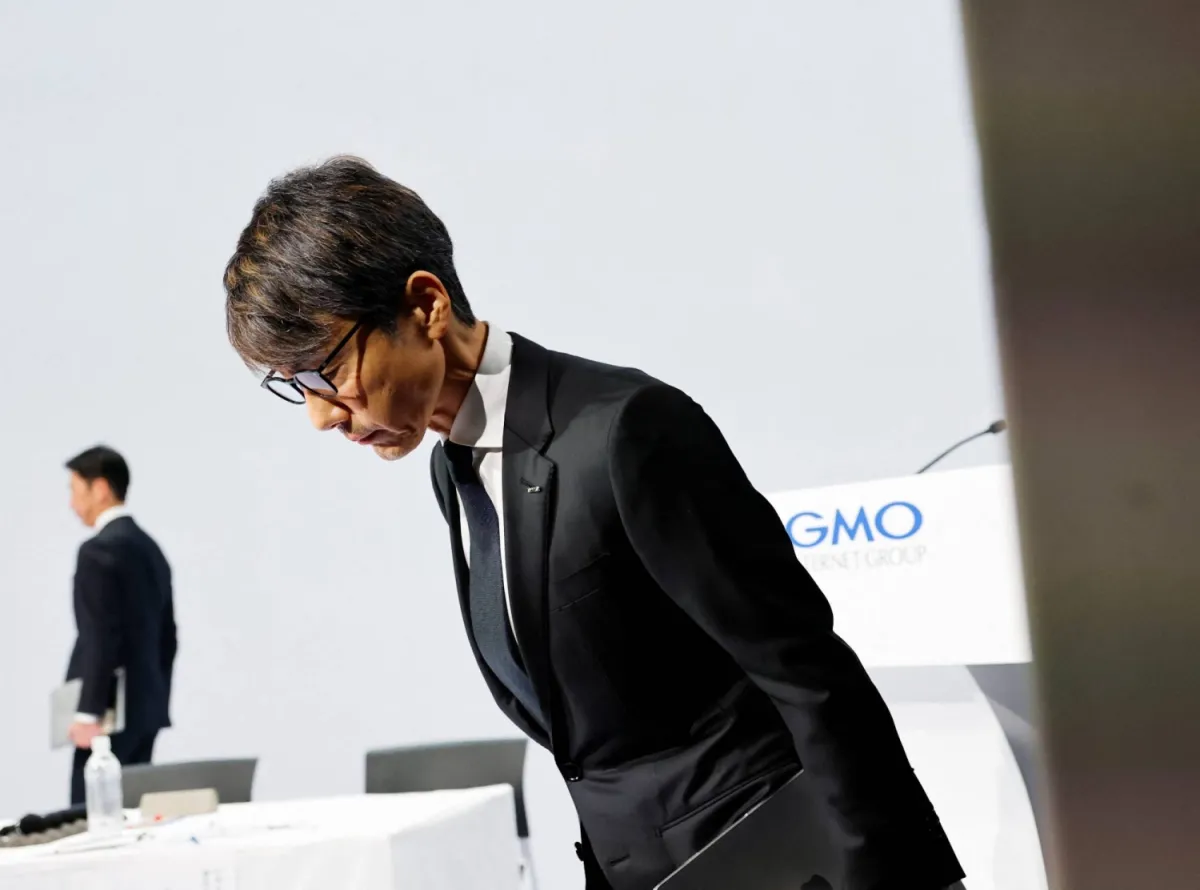
TOKYO – Japanese tech giant GMO is now facing a storm of criticism after CEO Masatoshi Kumagai formally acknowledged management failures in handling a series of massive cyberattacks that led to the leakage of sensitive user data. This admission came during the company's first public briefing since the scandal erupted, shaking public trust in corporate cybersecurity in 2026.
Kumagai, speaking in a serious tone, expressed his profound regret over the incident. 'We formally acknowledge fundamental failures in our cyber defense systems and emergency response,' he stated before the media at GMO's headquarters in Tokyo. 'We extend our deepest apologies to all affected customers, partners, and stakeholders.'
The data breach scandal, first revealed several months ago, involved millions of exposed personal data, raising serious concerns about privacy and digital security. Initial investigations indicated that system vulnerabilities were exploited by malicious actors, prompting questions about the security standards implemented by a tech company of GMO's stature.
GMO's initial response to the cyberattacks was deemed slow and lacked transparency by cybersecurity experts and government regulators. Sharp criticism was leveled as the company was perceived to have failed in providing clear and timely information to the public and affected victims.
Professor Kenji Tanaka, an Information Security expert from the University of Tokyo, highlighted the importance of speed and accuracy in handling cyber incidents. 'In cases like this, every second is valuable. Slowness in response will only exacerbate the impact and permanently damage the company's reputation,' Tanaka explained.
This incident is a reminder of similar events that have affected global crypto platforms. For example, in 2026, the world was rocked by news of Crypto Shake-up 2026: Bitcoin and Ether ETFs Plummet After Binance Hack!, where millions of dollars in crypto assets vanished due to sophisticated cyberattacks. A pattern of slow response often runs through major incidents like this.
Japanese authorities have launched a comprehensive investigation into the incident at GMO. Regulators demand full accountability and concrete measures to prevent similar occurrences. Substantial fines and reputational sanctions may await the company if significant negligence is found.
Kumagai promised a complete overhaul of GMO's cybersecurity structure. He outlined several steps to be taken:
- Increased investment in state-of-the-art threat detection and cyber prevention technologies.
- Establishment of a dedicated 24/7 incident response team.
- Regular external security audits to identify and fix vulnerabilities.
- More intensive employee training programs on data security protocols.
These actions are expected to restore eroded trust and ensure better protection of customer data in the future. However, the path to regaining public and investor confidence will be long.
This incident is not only a severe blow to GMO but also a serious warning to the entire global technology industry. With increasingly sophisticated cyberattack methods, companies are required not only to build robust defenses but also to have fast and effective response strategies.
Editorial Insight:
The data breach scandal at GMO reflects the crucial challenges faced by technology companies in the digital era of 2026. CEO Masatoshi Kumagai's apology is an important first step, but the public and regulators will demand more than just words. GMO's success in recovering from this crisis will heavily depend on the tangible implementation of its cybersecurity improvement promises, as well as the level of transparency and accountability they demonstrate. This case also reinforces the need for stricter regulations and cross-sector collaboration to address increasingly complex cyber threats.