 Stefani Rindus

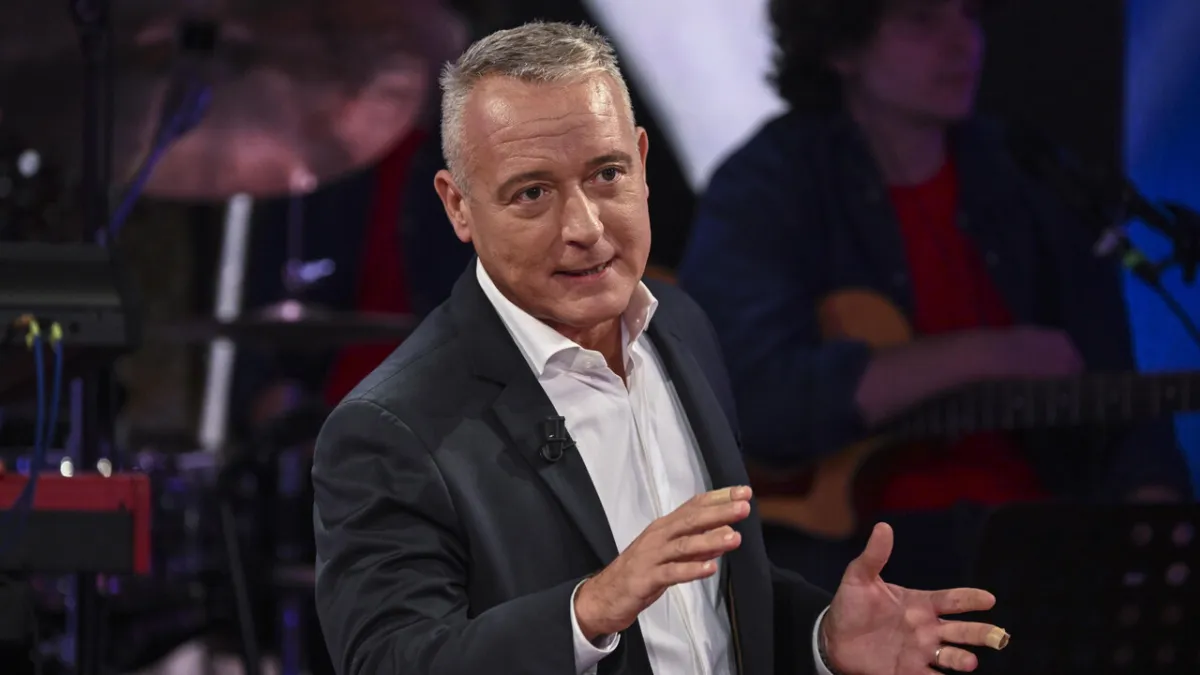
BERLIN – Germany is once again grappling with a critical issue concerning the integrity of its national asylum system. A scam involving fraudulent asylum applications, allegedly perpetrated by asylum seekers from Turkey, has come to light in 2026. This modus operandi, which has reportedly been ongoing for years, is believed to exploit legal loopholes and investigative processes in their home country to obtain refugee status in Germany. National media correspondent, Marion Sendker, revealed how significantly this scheme has undermined Germany's asylum system.
Sendker explained that this manipulative practice stems from the social and legal situation in Turkey, where many citizens face various forms of investigations or legal charges. These individuals then exploit these circumstances by presenting themselves as victims of political or legal persecution to German authorities, in order to gain aid and protection.
According to Sendker's report, this deception is not a new phenomenon. The pattern of exploiting fake charges has been widely known in Turkey for many years, indicating a fundamental weakness in the verification mechanisms for asylum claims adopted by several receiving countries, including Germany.
The impact of this practice is highly significant. It not only drains German government resources allocated for refugee management but also damages the overall credibility of the asylum system. This situation potentially marginalizes genuine refugees who truly need protection, due to the influx of fraudulent claims overwhelming the bureaucracy.
German authorities now face a serious challenge to tighten procedures and conduct much more in-depth validation of each asylum application. This is crucial to prevent further abuse and ensure that humanitarian aid is only provided to those who are genuinely entitled to it.
The issue becomes even more complex given the sensitive international dynamics between Germany and Turkey. Both countries have strategic interests and partnerships in various fields, making the handling of such a sensitive issue require diplomatic caution and a measured approach.
Similar issues related to data fraud or system exploitation have also been a concern in Europe. For instance, Germany Reacts: Surge in Cybercrime Reports Demands New Regulations, demonstrates how developed nations continue to struggle against various forms of organized crime that exploit digital and bureaucratic loopholes.
International legal experts suggest that there should be closer intelligence cooperation between the country of origin and the asylum-receiving country. The exchange of accurate information regarding an individual's legal status can be a key to uncovering baseless claims and preventing systemic abuse.
Non-governmental organizations active in human rights also urge that every case be handled fairly and transparently, without generalizing all asylum seekers. They emphasize the importance of carefully distinguishing between genuine victims fleeing persecution and individuals intending to exploit the system for personal gain.
Under the current Chancellor's leadership, the German government is predicted to take proactive steps to revise immigration and asylum policies. The goal is to create a more robust framework against fraud while upholding humanitarian principles and protection for those truly in need.
These measures not only encompass legal and legislative aspects but also an increase in capacity for immigration officers. Specialized training in document analysis, in-depth interview techniques, and understanding the socio-political context of the country of origin are vital for detecting signs of fraud early and effectively.
Editorial Insight: This fake charges scandal highlights a serious vulnerability in the international asylum system to organized manipulation. The case involving Turkish citizens demonstrates that legal backgrounds in their home country are often misused for undue asylum purposes. Germany's response to this issue will be an important indicator for other European countries in tackling similar challenges, balancing national security with humanitarian commitments amid the global refugee crisis.