 Dodi Irawan
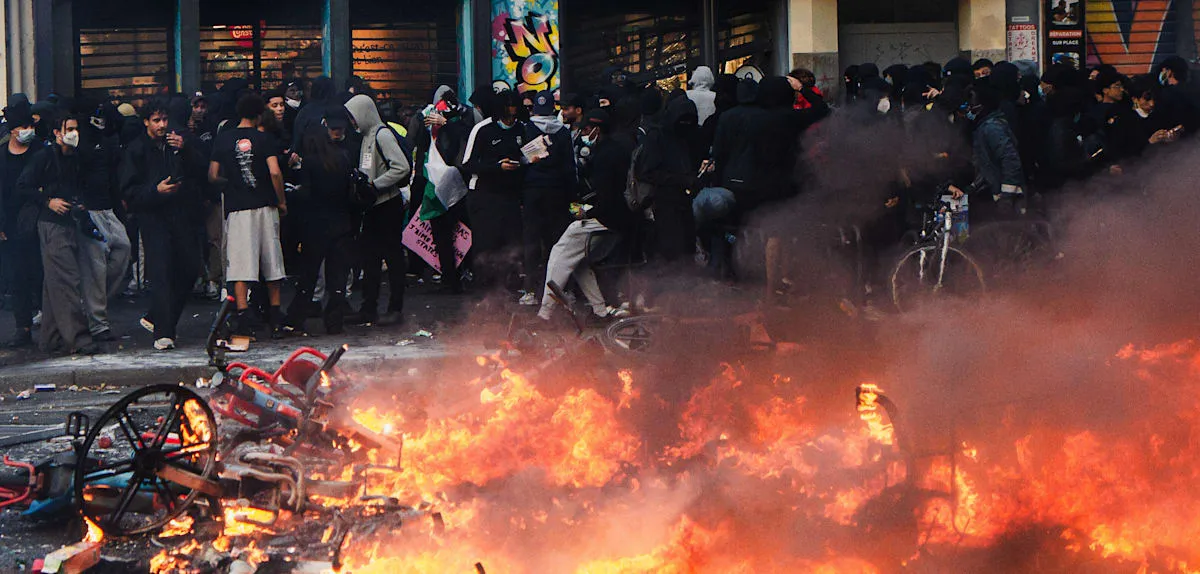
BERLIN – The German retail sector is reportedly preparing an unusual measure to cope with a potential wave of student unrest, following the pattern of demonstrations that shook France. In a move surprising many, some stores are reportedly disguising themselves as mosques, a tactic that has sparked widespread debate regarding its effectiveness and underlying motives.
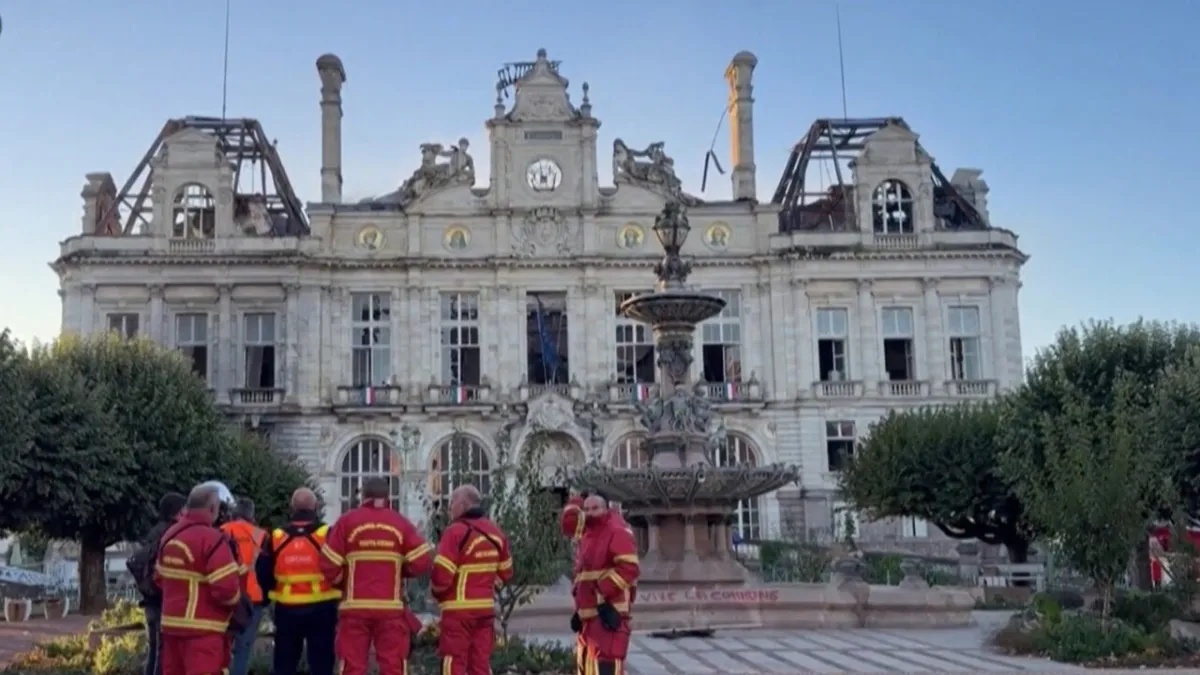
This news emerges amid serious concerns about the escalation of student protests that could lead to vandalism and looting. Retailers apparently seek innovative solutions to protect their assets, following significant losses suffered by similar businesses in France due to demonstrations that often turned anarchic. French Protests Gripping: Beacon of Europe's Socio-Economic Crisis? provides insight into the socio-economic crisis in Europe.
The term Inschallah, often spoken in a religious context, now appears in the narrative of the retail sector's readiness. Its usage seems to signify preparation with a touch of destiny, yet it is conveyed with an ironic hint of humor within the context of this satirical report.
The disguise of shops as mosques is not merely a change of signage. Some initial reports indicate minimalistic exterior modifications, such as the addition of typical architectural elements or the use of specific calligraphy, designed to give the commercial buildings a new visual identity.
Arguments behind this strategy, though speculative, point to the belief that properties with a religious identity tend to be more respected or less likely to be targets of mob violence. This is based on the assumption that sacred values are still upheld amid social turmoil.
However, this step immediately drew diverse reactions. Some consider it a ludicrous act of desperation, while others highlight the potential cultural and religious sensitivities that could arise from such a disguise. Questions of ethics and the appropriateness of this action have become hot topics of debate.
Economic losses due to unrest are indeed a specter haunting businesses. Stores in Germany, often the backbone of local economies, are striving to avoid a fate similar to their counterparts in neighboring countries devastated by street violence.
Local governments or security authorities in Germany have not issued an official statement regarding this disguise phenomenon. This suggests that the initiative likely originated from the private sector as a sporadic response to a perceived threat.
On social media, the topic has gone viral. Various memes and satirical comments have emerged, depicting confusion and admiration for the absurd creativity of retailers in facing a critical situation.
Retail security strategies typically involve increasing security personnel, installing CCTV cameras, or physically reinforcing buildings. This 'disguise' approach is clearly an unprecedented anomaly, adding a new dimension to the discourse on crisis mitigation.
Some social analysts view this phenomenon as a reflection of identity tensions and fears of social disintegration in Europe. This disguise effort can be interpreted as an expression of desperation in seeking protection amidst rising intolerance and violence.
If student unrest indeed occurs, the extent to which this strategy will be effective remains a big question mark. Without community support and deep understanding, such a disguise risks becoming a boomerang rather than providing protection.
The phenomenon of shops resembling places of worship also indirectly raises issues about how public and commercial spaces can transform in an effort to adapt to changing social dynamics. The line between commercial and spiritual functions becomes blurred.
Of course, the essence of this report is rooted in deep satirical elements, not as a literal fact. It implies sharp criticism of excessive fear or disproportionate responses to social threats, while highlighting the irony in attempts to seek security.
Editorial Insight: The 'mosque store' phenomenon in Germany, though reported in a satirical context, offers an important reflection on the psychology of collective fear and irrational responses to social crises. This is not merely an effort to protect property, but also a reflection of systemic failures to quell social discontent, thereby forcing the private sector to seek illogical solutions. The potential for widespread student unrest, similar to that in France, clearly creates extreme pressure for businesses, driving innovations that, however bizarre, underscore the urgency of social dialogue and more effective preventive policies.