 Angel Doris
BERLIN – Alice Weidel, leader of the Alternative for Germany (AfD) party, recently made a controversial accusation. She alleged that the Central Council of Jews in Germany is under the remote control of the Christian Democratic Union (CDU) party. This political attack immediately triggered a wave of strong condemnation, especially from the President of the Central Council of Jews, who swiftly refuted the claim as dangerous political rhetoric manipulation.
Weidel's statement, widely circulated in national media in 2026, highlights AfD's long-standing strategy of seeking pretexts for their resentment-laden policies. The claim that one of Germany's prominent religious organizations is a political puppet has further muddied the country's already tumultuous political landscape.
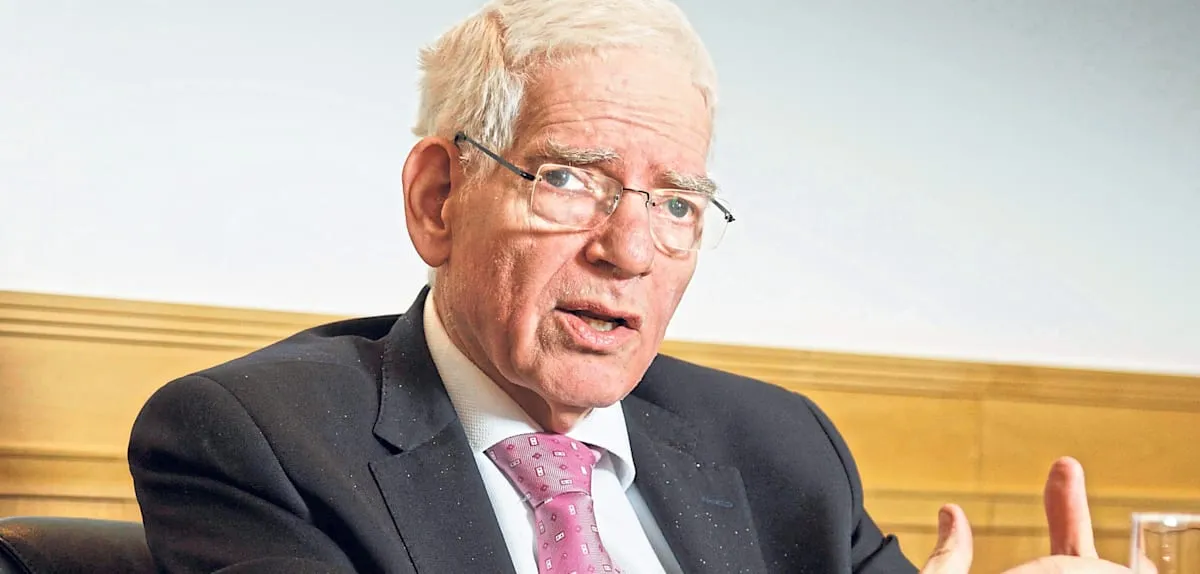
The President of the Central Council of Jews in Germany, in a sharp response, asserted that the accusation is entirely baseless. He condemned AfD's attempt to spread disinformation and divide society by dragging sensitive issues into practical politics. We are an independent institution representing the interests of the Jewish community, not a tool for any political party, he affirmed.
This accusation is not the first time AfD has used provocative rhetoric. The party has long been known for its anti-establishment narrative, often targeting minorities or institutions deemed misaligned with its political agenda. Such maneuvers frequently succeed in garnering public attention but also draw sharp criticism from across the political spectrum and civil society.
The relationship between politics and religion in Germany has a complex and sensitive history, especially given the country's dark past. Therefore, an accusation targeting the Central Council of Jews, a highly respected entity, is considered particularly dangerous and irresponsible.
The CDU party itself has not yet issued an official statement regarding Weidel's accusation, but political observers anticipate that they will strongly condemn the claim as part of AfD's strategy to erode public trust in democratic institutions.
Critics argue that AfD systematically attempts to exploit social and political tensions, including by reviving outdated and dangerous stereotypes. This approach is seen as an effort to divert attention from substantive policies and focus on identity polarization.
This issue could also affect Germany's internal political dynamics, especially considering survey results indicating that the popularity of Chancellor Merz has plummeted, while AfD soars in Germany in 2026! This situation makes every controversial statement from the far-right party an intense focal point.
For the Jewish community in Germany, such accusations not only attack the integrity of their institution but also potentially stir up long-combated anti-Semitic sentiments. This serves as a bitter reminder of the need for vigilance against hate speech.
The German federal government and various civil society organizations continue to emphasize the importance of protecting independent institutions and combating all forms of discrimination. This incident reinforces that call.
Moving forward, the public and political response to AfD's allegations will be a crucial indicator of how far German society is prepared to tolerate political rhetoric that could divide and damage the foundations of democracy.
Editorial Insight: AfD's accusation against the Central Council of Jews is more than just a regular political gambit. It is a calculated maneuver designed to inflame anti-establishment sentiment and test the boundaries of political tolerance in Germany. By targeting a significant religious institution, AfD aims to destabilize social consensus and reduce its political opponents to mere 'hidden controllers'. The implications could extend far beyond rhetoric, threatening social cohesion and increasing polarization ahead of upcoming political contests. It is crucial for all democratic forces to unite in rejecting this delegitimization attempt and protecting the public sphere from toxic propaganda.