 Chris Robert
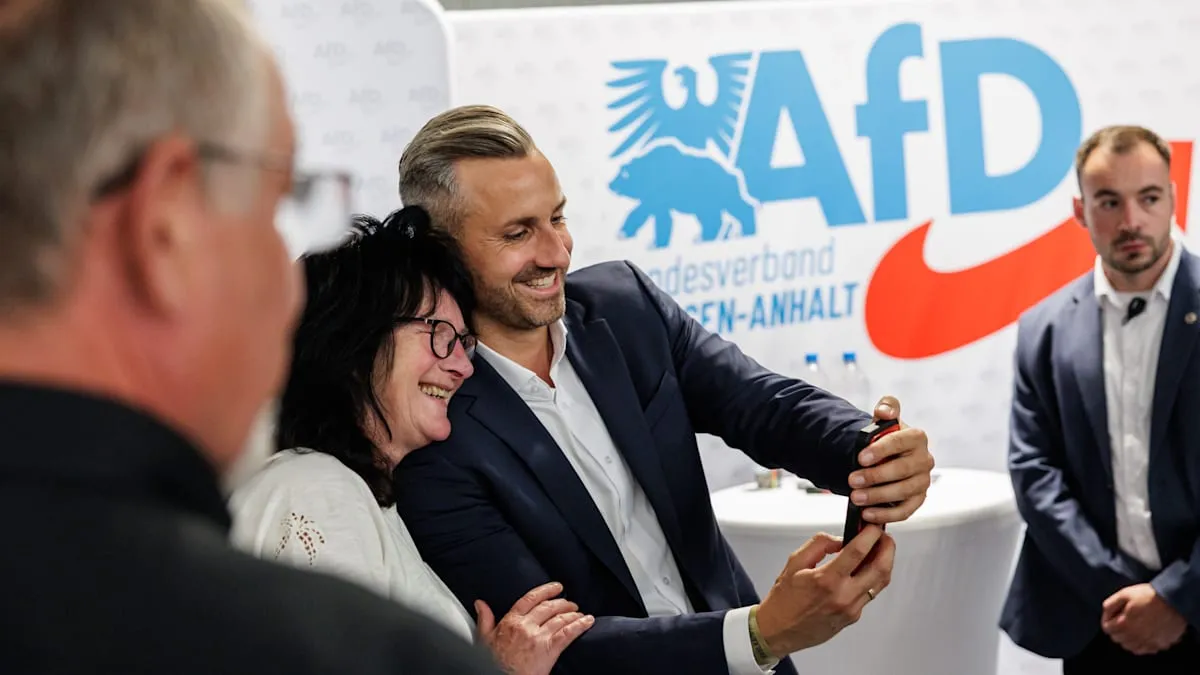
BERLIN — Germany's political landscape is undergoing a significant shift as mid-2026 approaches, marked by the strengthening position of the Alternative for Germany (AfD) party. The latest Insa-Sonntagstrend poll reveals that the AfD is now capable of attracting support from up to one in two voters, dramatically widening its electoral lead over traditional coalitions such as the Christian Democratic Union/Christian Social Union (CDU/CSU), often referred to as the Union.
This phenomenon is not merely a minor fluctuation but an indication of a fundamental change in public preferences. Hermann Binkert, Managing Director of Insa, asserts that these results reflect a deep-seated trend, potentially altering future government configurations.
Specifically, in the state of Saxony-Anhalt, the AfD recorded figures alarming to established parties, with voter support exceeding 40 percent. This places the AfD in a dominant position, far ahead of other parties that typically command the regional and national political landscape of Germany.
Binkert highlights the serious implications of this trend for cabinet formation. In his statement, he explicitly noted, “Without the Left Party (Die Linke) or the AfD, no government can be formed.” This statement underscores the AfD's growing bargaining power, potentially making it a kingmaker in future coalition scenarios.
The surge in AfD's electability in the political year 2026 cannot be separated from various driving factors. Issues such as immigration, concerns over inflation, and dissatisfaction with the policies of the incumbent coalition government collectively contribute to a public sentiment leaning towards more radical political alternatives. See also analysis on Germany in Turmoil: AfD Surpasses Union, Political Dominance Shifts Sharply.
Mainstream parties, including the Union, which has historically been a dominant force, now face an existential challenge. Their strategies to curb the AfD's momentum appear to have yielded no clear results, leading to fragmented support and erosion of public trust.
Political analysts observe that the AfD's strength not only stems from disillusioned conservative voters but also attracts segments from a broader political spectrum, including those previously apathetic or inclined to other populist parties. This phenomenon has sparked concerns about the stability of German democracy.
Long-term implications of this AfD dominance are quite unsettling. A government that must rely on the support or at least tolerance of a party often considered extreme will face significant challenges in maintaining social cohesion and policy stability. This issue is also reflected in discussions about Karp Palantir Reveals: Weak Europe, Strong AfD as a Reflection?.
Reactions from other parties vary, ranging from strong condemnation to attempts at dialogue, though the latter option is often vehemently rejected by the AfD itself. Political polarization is sharpening, complicating the compromises and consensus that characterize Germany's post-war democracy.
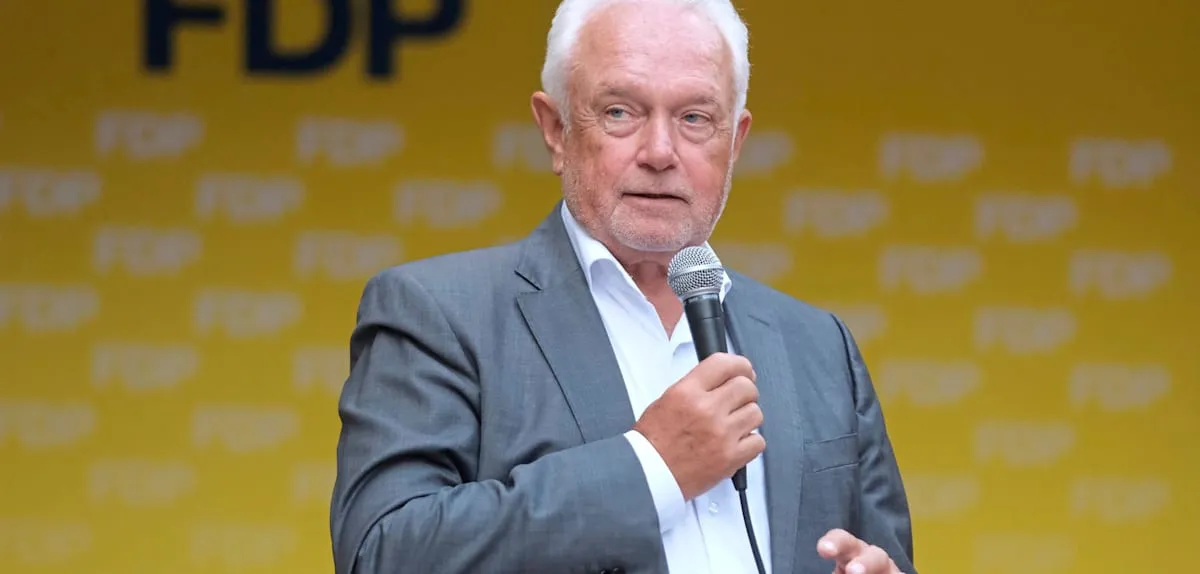
Some figures within the Union party, as once criticized by Kubicki FDP, now face intense internal pressure. Their failure to retain traditional voter bases compels deep introspection regarding the party's future direction and strategy.
This situation creates a dilemma for all political actors in Germany. Responding aggressively to AfD's popularity risks solidifying their narrative as political victims, while ignoring them means allowing their influence to expand. The battle of narratives and ideologies will become increasingly intense in the coming months.
International observers are also closely monitoring these political developments in Germany. As Europe's economic locomotive and a key player in global diplomacy, Germany's internal political shifts have repercussions far beyond its borders. The strength of right-wing politics in Germany could serve as a barometer for similar trends across Europe.
Looking ahead, upcoming state elections in 2026 will be a crucial test for the resilience of the German political system. Results in Saxony-Anhalt, if consistent with the Insa poll, will set a strong precedent for other regions, fueling debate about the future of coalitions and the integrity of liberal democratic values.
Binkert and many other analysts agree that Germany is currently at a crossroads. Political decisions made in the next few years will determine whether the country can re-consolidate its political consensus or continue to be fragmented by populist and right-wing forces. This is also related to the pressures faced by figures like Merz, as in the article Merz Under Pressure.