 Chandra Wijayanto
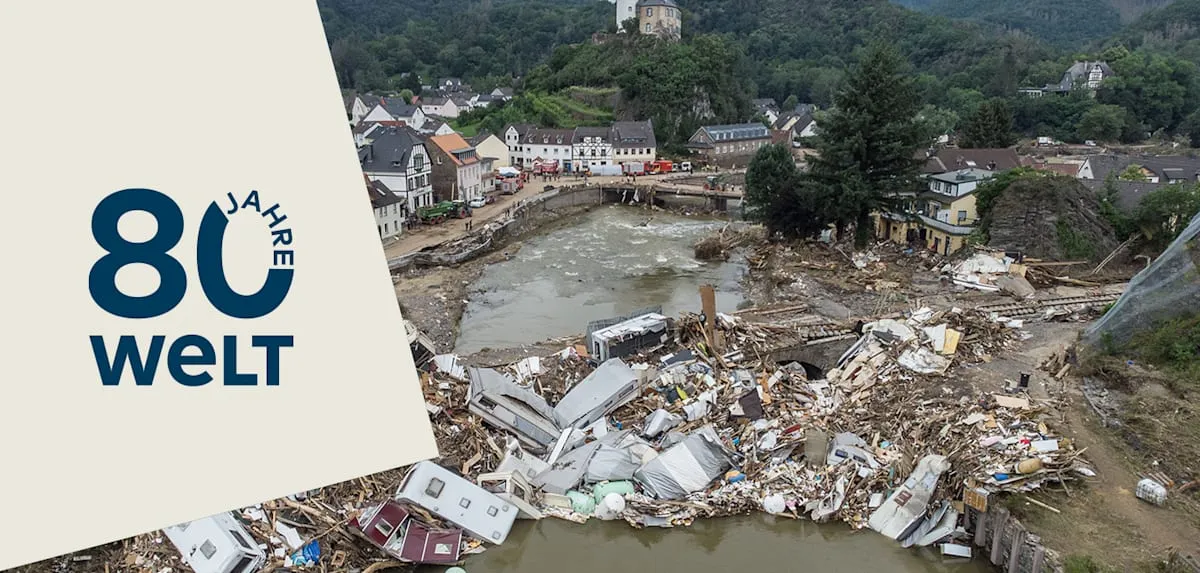
AHR VALLEY — In July 2021, a devastating flash flood swept through the Ahr Valley, Germany, leaving behind unimaginable destruction. This tragic incident not only claimed numerous lives and ravaged infrastructure but also triggered a wave of global sympathy alongside profound questions regarding the accountability of various parties. A recent episode in the "80 Years of WELT" series revisits this crucial event, analyzing its long-term impact and the ongoing lessons yet to be fully learned.
The post-disaster scene at that time resembled the aftermath of a bomb explosion: piles of rubble and collapsed buildings filled every corner of the valley. The raging floodwaters swept away homes, vehicles, bridges, and roads, transforming the green landscape into a heartbreaking disaster zone. Thousands of residents lost their homes and all their possessions in an instant.
Immediately after the disaster, a massive wave of solidarity poured in. Thousands of volunteers from across Germany and neighboring countries rushed to the Ahr Valley to provide aid, clear debris, and support the victims. Donations of funds and essential goods accumulated in astonishing amounts, demonstrating an extraordinary display of humanity amidst suffering.
However, beneath the spirit of cooperation, critical questions began to emerge. The public demanded clarity regarding the widespread impact of the disaster and whether there was negligence from relevant authorities in anticipating and managing the crisis. Early warning systems, spatial planning, and infrastructure readiness became central points of scrutiny in public debate.
The federal and state governments faced significant pressure to uncover the truth behind this tragedy. Various investigations were launched, both by law enforcement agencies and parliamentary committees, to trace the chain of decisions and actions before and during the flood. Scrutiny of bureaucracy and inter-agency coordination intensified.
Three years later, the debate over accountability has not entirely subsided. Although massive reconstruction efforts are underway, the social and psychological scars on the Ahr Valley community are still palpable. Many victims struggle to rebuild their lives amid the shadows of trauma and uncertainty.
The Ahr Valley case highlights the complexities of dealing with natural disasters in the era of climate change. Experts and environmental activists continue to warn that the frequency and intensity of extreme events like flash floods will increase, demanding more proactive and adaptive responses from governments.
Several local and regional politicians became targets of sharp criticism. Allegations of negligence in providing adequate evacuation warnings or failures to reinforce vital flood-prone infrastructure surfaced. The scale of destruction in 2021 prompted a overhaul of disaster management regulations and procedures in Germany.
The political implications of this disaster cannot be underestimated. Several high-ranking officials were forced to resign or faced investigations. This issue even shook the German political landscape, affecting public trust in state institutions to protect its citizens.
Reconstruction funds allocated amounted to billions of euros, posing a significant financial burden on the state. This topic often overlaps with broader debates concerning public spending and social welfare, much like discussions about the extreme social burden faced by Germany in recent years.
The "80 Years of WELT" series uses the Ahr Valley tragedy as a reflection of the media's role in documenting history and demanding truth. WELT's in-depth coverage in 2021 helped shape public opinion and continues to push the government for improvements and to ensure justice for the victims.
Now, the residents of Ahr Valley are striving to rebuild with renewed hope. More disaster-resilient development projects are being promoted, including strengthening dikes and developing smart drainage systems. The bitter lessons of 2021 serve as a foundation for a safer future, though the scars remain etched in collective memory.
This event also spurred further discussion on climate warming regulations in Germany, with many urging more aggressive climate change mitigation measures to prevent similar disasters in the future. The Ahr Valley tragedy is a stark reminder that the urgency of environmental issues is non-negotiable.
Nevertheless, the community spirit and resilience of the Ahr Valley residents are commendable. They not only mourned their losses but rose to rebuild with extraordinary perseverance. This recovery process symbolizes hope and steadfastness in facing the toughest trials.
As an editor who has covered various national crises, I see Ahr Valley as an enduring narrative of human vulnerability in the face of nature, and the collective strength to rise again. Most importantly, however, are the lessons that must be learned to prevent the recurrence of similar tragedies, and to ensure that accountability is always upheld.