 Edward DP Situmorang
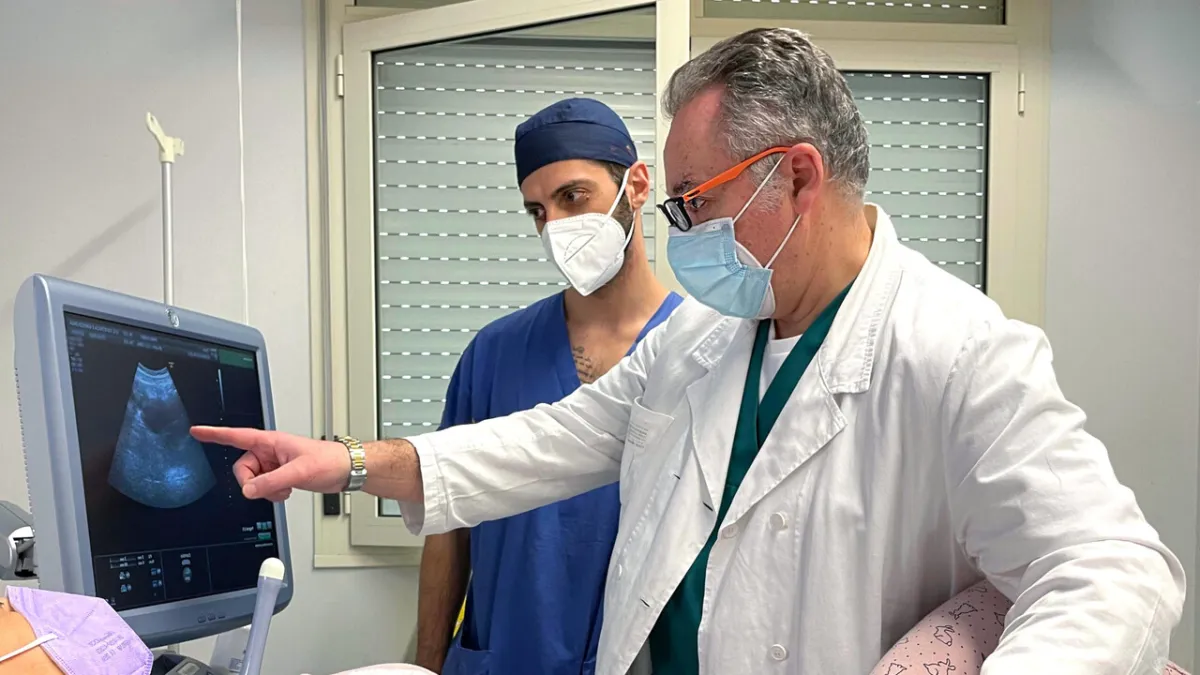
New research has sent shockwaves through the medical community, revealing a grim reality surrounding ovarian cancer diagnosis. A global survey conducted by the "Insieme di Insiemi" campaign in 2026 found that one in three women must wait over a year for a definitive diagnosis of this deadly disease, while almost half, or 46%, wait at least three months. This significant delay is potentially fatal, hindering crucial early intervention essential for patient survival.
These figures are not just statistics; they are a stark reflection of the struggles faced by thousands of women confronting uncertainty and anxiety. Waiting this long, from the onset of initial symptoms to diagnostic confirmation, means losing valuable time that could be utilized for medical intervention. Ovarian cancer is often dubbed the "silent killer" due to its vague symptoms, making early detection a distinct challenge.
Ovarian cancer symptoms are frequently non-specific, resembling other common conditions like digestive issues or premenstrual syndrome. Bloating, abdominal pain, feeling full quickly, and changes in urinary habits are often overlooked or misdiagnosed. This makes it difficult for general practitioners to immediately identify potential cancer, leading to delayed referrals to specialists.
The "Insieme di Insiemi" campaign, meaning "Together in Groups," took the initiative to uncover this reality through an extensive survey. Their primary goal is to highlight the urgency of increasing public and medical professionals' awareness regarding the importance of prompt diagnosis. The data they collected provides a strong foundation for advocating changes in health policies.
Diagnostic delays directly correlate with patient prognosis. Ovarian cancer detected at an early stage has a significantly higher five-year survival rate compared to those detected at advanced stages. Every month of delay can mean the difference between Stage I and Stage III, drastically altering treatment options and outcomes.
Oncology experts consistently emphasize that early detection is key. Unfortunately, no widely available effective screening method exists for ovarian cancer, unlike mammography for breast cancer or Pap smears for cervical cancer. Therefore, increasing awareness of symptoms and proactively seeking medical help becomes absolutely vital.
"This data is a wake-up call for all of us," stated Dr. Citra Dewi, a leading gynecologic oncologist from National University. "We must invest more in public education, train medical personnel to be more sensitive to ovarian cancer symptoms, and ensure easier access to advanced diagnostic tools. No woman should have to wait that long."
Experts recommend that women experiencing persistent and unexplained symptoms, especially if they have a family history of ovarian cancer, consult a doctor immediately. Do not hesitate to ask for a referral to a specialist if concerns persist. Listening to one's body and advocating for one's own health are the first steps.
Governments and health institutions are expected to respond to these survey findings with concrete policies. National health education programs, the development of faster diagnostic protocols, and financial support for ovarian cancer research can be significant initial steps. The goal is to reduce excessively long waiting times and provide the best possible chance for every woman.
The issue of delayed ovarian cancer diagnosis is not merely a local phenomenon but a global health challenge. Various countries face similar obstacles in detecting this disease in its early stages. International collaboration in research and sharing best practices becomes increasingly crucial to effectively combat this "silent killer."
Beyond the physical impact, diagnostic delays also carry a heavy psychological burden. Anxiety, stress, and uncertainty during prolonged waiting periods can erode the quality of life for patients and their families. Psychosocial support must be an integral part of the cancer patient's journey.
The pharmaceutical and medical technology industries also have a role to play. Investment in developing more accurate and less invasive screening methods, as well as new biomarkers for early detection, represents the hope for the future. These innovations can revolutionize how the world confronts ovarian cancer.