 Demian Sahputra
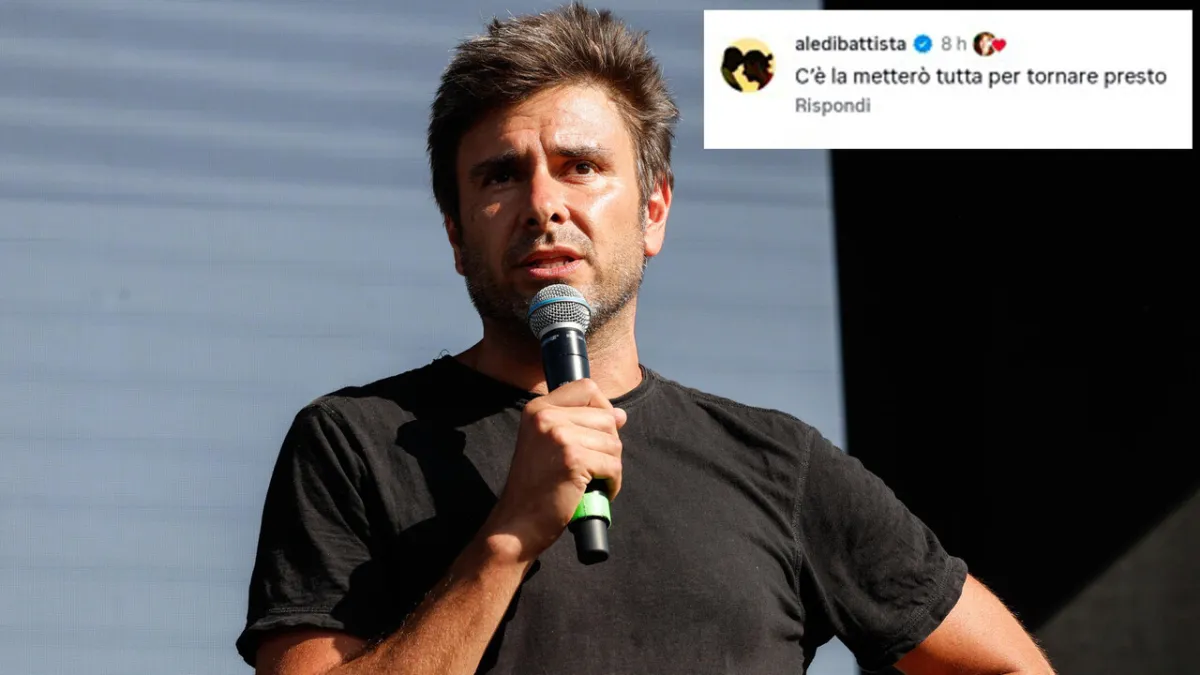
HAVANA – Prominent Italian politician, Alessandro Di Battista, was recently reported to be undergoing treatment at a medical facility in Cuba following a health setback. This news surprised many, especially his supporters, after he shared a personal update on his Instagram social media account. In the message, Di Battista pledged to fight his way back and return to public life as soon as possible.
The former parliamentarian, known for his sharp rhetoric and vocal political views, revealed his condition through a brief yet meaningful status update. 'I will do my utmost to return as soon as possible,' he wrote, appealing for understanding and support from the broad public who continue to monitor his progress. The post immediately triggered a wave of support and well wishes from various segments of society.
The health issue experienced by Di Battista in Cuba was not described in detail. However, information regarding this condition first emerged after he was reportedly struck by a sudden malaise requiring immediate medical intervention. Cuba, with its renowned healthcare system, became the place where he sought treatment.
Di Battista's decision to openly share his health news on digital platforms demonstrates his transparency and closeness to the public. The post serves as proof that even as a public figure, he is susceptible to health problems just like any ordinary citizen. This also dispels any speculation that might arise due to his absence from the media spotlight.
Alessandro Di Battista, once one of the most recognizable faces of the Five Star Movement (Movimento 5 Stelle), has long been a controversial yet influential figure in the Italian political landscape. Although he has stepped down from active political roles in parliament, his voice is still frequently heard in various public discussions and media.
Di Battista's journey to Cuba itself did not escape attention. As a public figure known for his activism on global issues and frequent travel to various countries, his presence in Cuba might be related to personal projects or political observation, although details remain scarce.
The message he conveyed, though brief, is imbued with a fighting spirit. The phrase 'I will do my utmost' carries great hope for himself and for those who anticipate his return to the public arena. The health of a public figure often becomes a matter of public concern, especially if it involves a figure with a strong base of support.
In recent years, attention to the mental and physical health of leaders and public figures has increased. Society is becoming more aware of the importance of balancing intense professional demands with the need for rest and recovery. This incident once again reminds the public of the human side behind every position and fame.
Reactions on social media indicate the depth of the bond between Di Battista and his followers. Thousands of comments filled with prayers, moral support, and hopes for his speedy recovery flooded the comment section of his post. This proves that even amidst an era of political polarization, empathy and solidarity remain powerful forces.
This incident could also open further discussions about access to and quality of healthcare, especially for those requiring treatment abroad. Cuba, despite being under international sanctions, has a reputation in the medical field, particularly in research and treatment of certain diseases.
We hope that Alessandro Di Battista will make a full and swift recovery and resume his activities. His condition is a reminder that health is the most valuable asset, regardless of one's status or position. The public eagerly awaits his return and future contributions.
Editorial Insight: The health incident involving Alessandro Di Battista in Cuba is not merely a personal news item but also a reflection of how modern public figures interact with their support base. His transparent social media post illustrates a shift in political communication, where personal vulnerability can become a binding force. This event also highlights public concern for the well-being of political figures, while reminding us of the importance of comprehensive healthcare support systems.