 Debby Wijaya
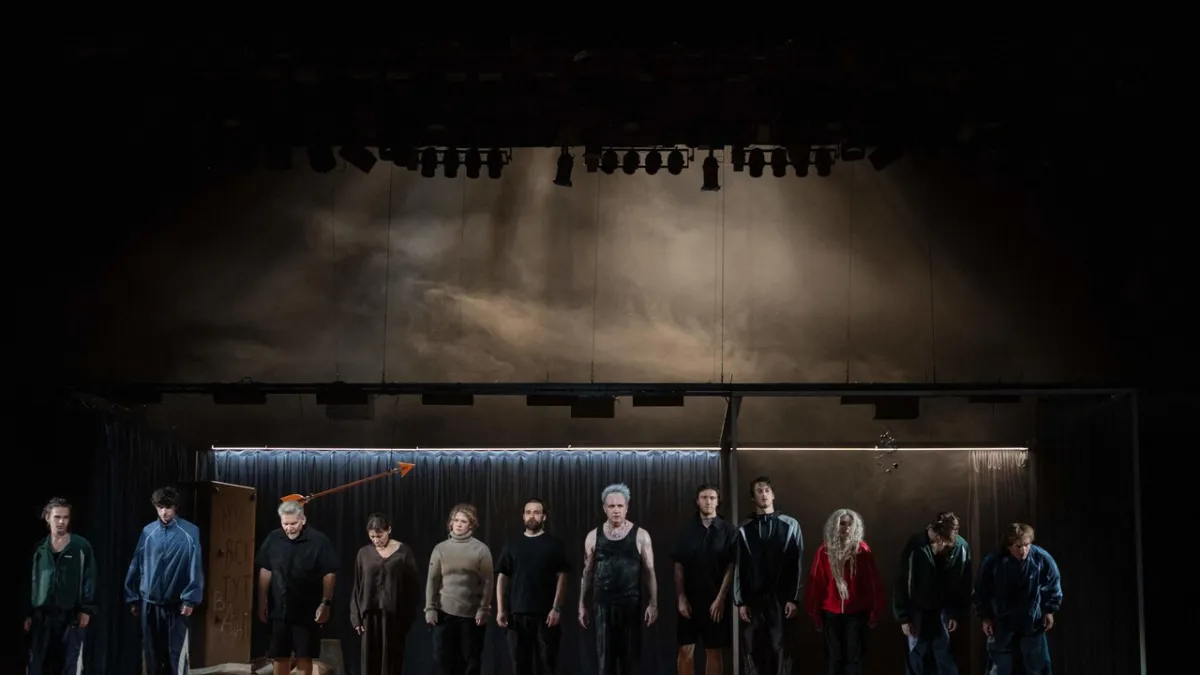
KIEV – Soldiers of the Azov Regiment, the military unit that staunchly defended Mariupol from the invading aggression, are now bringing their heroic tales to the Kiev theater stage. Through their performance of Odyssey, they are not merely presenting a drama; rather, they are reflecting on traumatic experiences and resilience from the front lines, delivering a poetic narrative of modern combat ironically intertwined with the shadow of drones.
This theatrical production marks a crucial moment for Azov veterans to vocalize what remained unspoken on the battlefield. The adaptation of the classic Greek epic, Odyssey, was chosen to encapsulate the arduous journey of the soldiers – from losing their homes, relentless struggles, to the hope of a peaceful return amidst the ongoing turmoil of war in Ukraine in 2026.
Under the direction of a filmmaker who understands the psychological depth of his performers, this production seeks to bridge the gap between battlefield reality and artistic expression. The incorporation of drone elements, symbols of contemporary military technology, into the theatrical narrative vividly depicts the threats and bitter realities faced by soldiers in combat.
For many, they are a myth, stated the director, underscoring how the image of Azov soldiers has been shaped in the public eye. This statement indicates that the performance is not only about individual experiences but also about how a specific military unit is perceived as a symbol of national resistance and courage.
The battle for Mariupol, which raged for months, stands as one of the most brutal chapters in this protracted conflict. Azov soldiers, many trapped within the Azovstal steel plant complex, became icons of Ukrainian endurance, facing relentless siege and supply shortages. Their story personifies the nation's struggle.
Homer's Odyssey intrinsically speaks of a winding journey home, fraught with obstacles and battles against fate. This context is highly relevant to the experiences of Azov soldiers, many of whom have lost everything and are now striving to find meaning and a place amidst the ruins, both physical and mental.
The theater stage becomes a new arena for them to fight, not with weapons, but with emotions and narratives. This is a form of collective catharsis, an attempt to process trauma and convey crucial messages about the impact of war to a wider audience, both in Kiev and globally, as the world continues to witness tensions between the EU-NATO and Moscow.
Public reaction to this performance is expected to be diverse, ranging from admiration to debate concerning Azov's role and image. However, one thing is certain: this production will open an important dialogue about the realities of war, sacrifice, and how society preserves its collective memory of modern heroes.
Amidst this theatrical narrative, the issue of drone use in modern conflict comes into focus. These unmanned combat vehicles represent a shift in the warfare landscape, from close-quarters combat to high-tech warfare. The interplay between the ancient Odyssey narrative and the modern threat of drones creates profound layers of meaning. This also recalls drone threats in Leipzig and further terror incited by Russia.
The performance of Odyssey by Azov soldiers is more than just an artistic show. It is a declaration of spiritual resilience, an artistic endeavor to comprehend and confront the horrors of war, and a bridge connecting an ancient epic with the harsh realities of the 21st century. It is the story of modern Ulysses fighting their way home from the battlefield to the stage of life.
Editorial Insight: The Azov soldiers' performance of Odyssey in Kiev is a remarkable illustration of how art can serve as a powerful medium for processing both collective and individual trauma from war. It is not merely cathartic for the veterans, but also a visual and emotional reminder to the public of the long-term impacts of conflict. This initiative can also shape a more complex national hero narrative, transcending purely militaristic imagery, and fostering a deeper understanding of the sacrifices made on the front lines. The potential of this performance to spark critical reflection and empathy is immense, especially amidst Russia's hybrid threats that continue to destabilize Europe.