 Gabriella
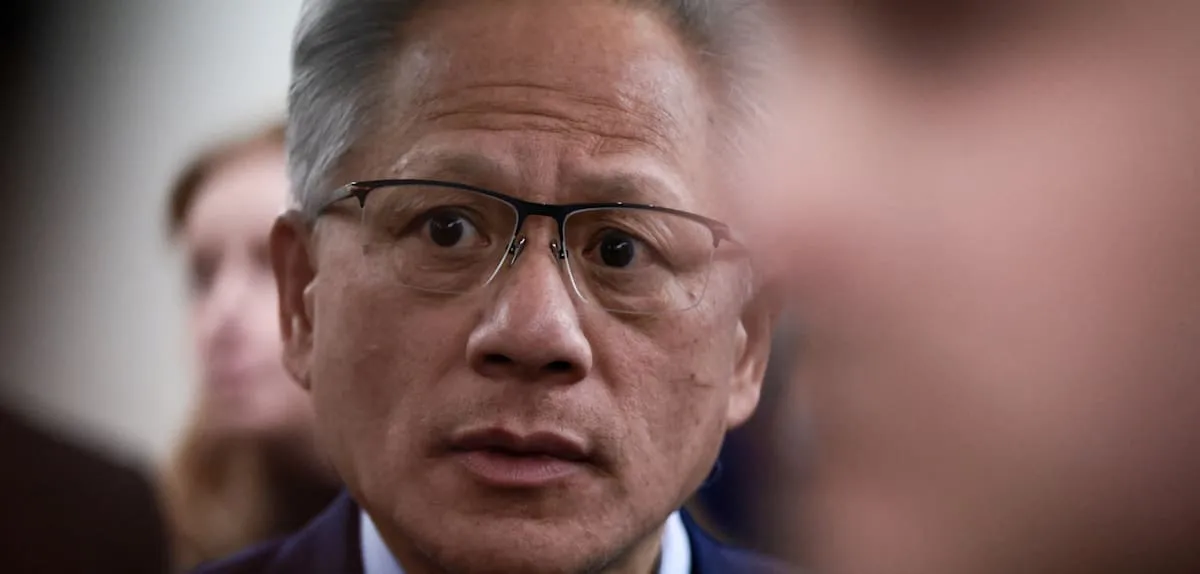
WASHINGTON DC – The United States Congress has launched a second investigation into tech giant Nvidia and its CEO, Jensen Huang, further complicating the global political and technological landscape. This action follows a scathing letter from the Democratic Party, highlighting alleged Nvidia chip sales to China and a potential 'scheme' of cooperation with President Donald Trump.
This investigation, the second of its kind, comes after reports of an alleged China spy scandal that previously brought Jensen Huang before Congress. Key concerns revolve around how Nvidia's advanced chip technology might have reached Chinese entities, potentially violating strict export restrictions and threatening US national security.
The letter from Democratic lawmakers explicitly referred to a 'scheme' involving Huang and President Trump. They demand full transparency from Nvidia regarding its sales practices and any communications or agreements that may have been established with the Trump administration.
The issue of advanced chip sales to China has been a sensitive geopolitical flashpoint between the United States and China for several years. Washington aims to limit Beijing's access to cutting-edge technology, particularly those related to artificial intelligence (AI), to maintain its strategic advantage.
This new inquiry undoubtedly places Nvidia under intense regulatory pressure. The company's reputation, a vanguard of AI innovation, now faces strict scrutiny, with the potential for substantial fines and negative impacts on its stock value.
Financial markets are reacting cautiously. Investors are closely monitoring the case's developments, given the potential for volatility it could unleash. However, some long-term analyses, as reviewed in the Nvidia Long-Term Bet article, suggest confidence in the company's recovery post-scandal.
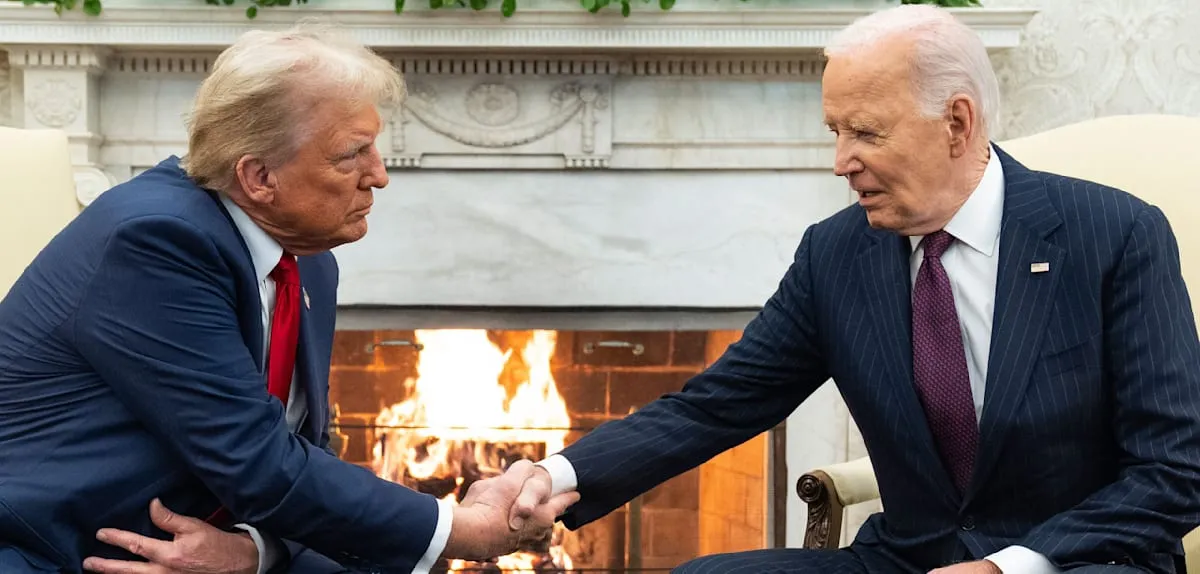
The alleged involvement of President Donald Trump in this 'scheme' adds complexity to the investigation. Speculation about the nature of this cooperation, and how it might have influenced trade policies or national security, is a central focus of congressional interrogation. Earlier reports even suggested that Trump proposed Tim Cook to lead the chip giant if Huang was found guilty.
This second investigation indicates that previously raised issues were either not fully resolved or new, more incriminating evidence has emerged. Congress is determined to ensure all legal loopholes are closed and no party can escape accountability.
This situation is inextricably linked to the broader technology trade war between the US and China. Beijing has repeatedly condemned US technological restrictions, calling them a pretext to block global development. This issue was previously discussed in the China Criticizes US article.
The impact of this investigation extends across the entire AI chip industry. Other companies may re-evaluate their sales strategies and compliance with evolving export regulations. Clarity on boundaries and penalties will be crucial for business continuity in this sector.
The legal implications for Nvidia and Jensen Huang could be severe, ranging from hefty financial penalties to criminal charges, depending on the proven extent of the violations. Congress is committed to uncovering the truth behind these allegations.
Editorial Insight:
This repeated congressional investigation is more than just a spotlight on Nvidia; it is a strong signal that the US government, under President Donald Trump, is increasingly serious about cracking down on technology companies deemed to violate national security boundaries or foreign policy. This case has the potential to set a significant precedent for other multinational corporations, demanding that they navigate an increasingly complex geopolitical landscape with extreme caution. The future of global technology business will be heavily determined by how companies balance innovation with stringent regulatory compliance.