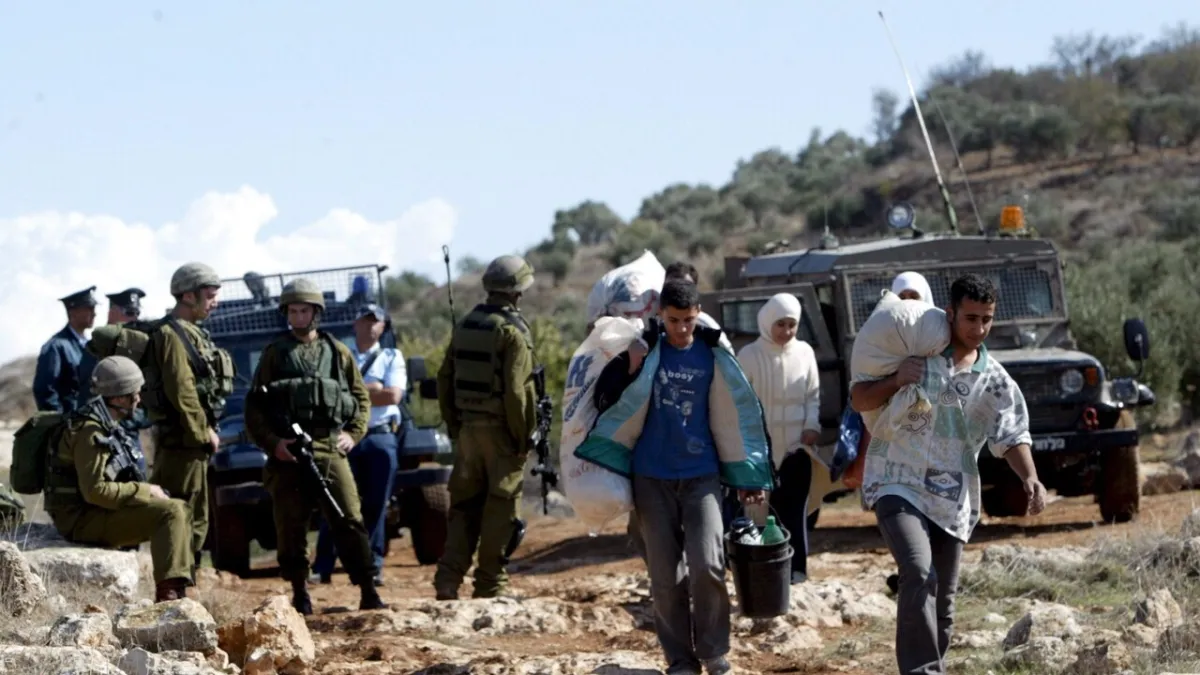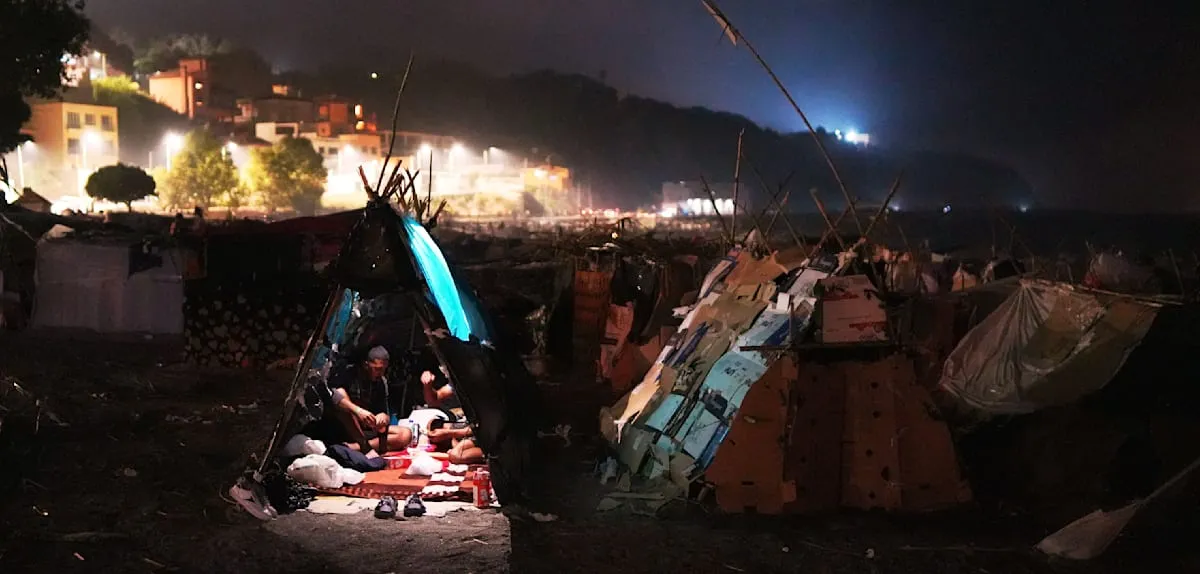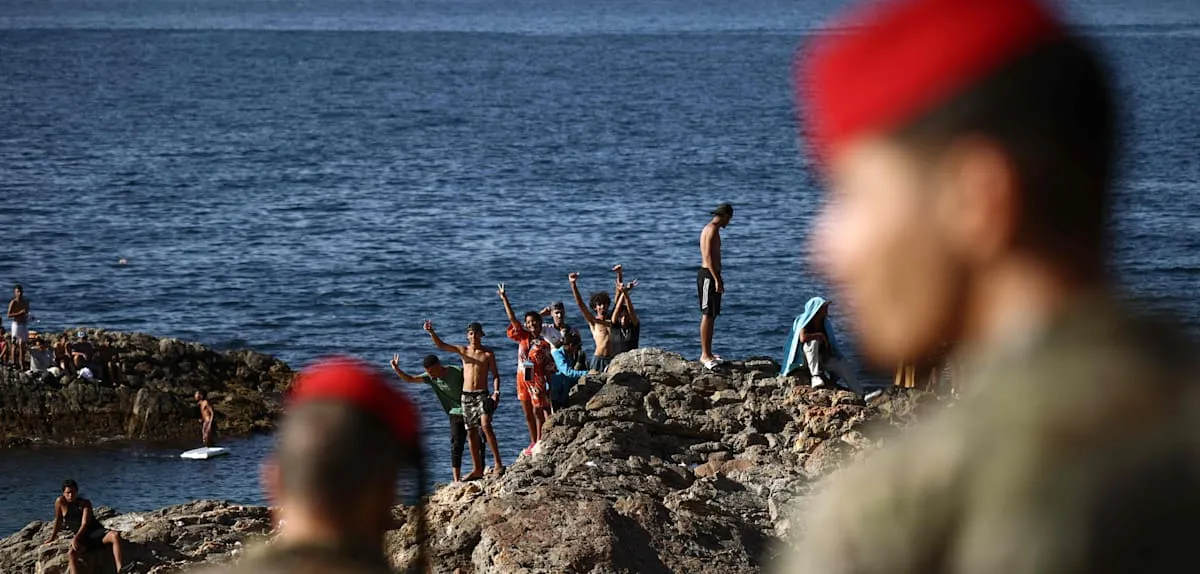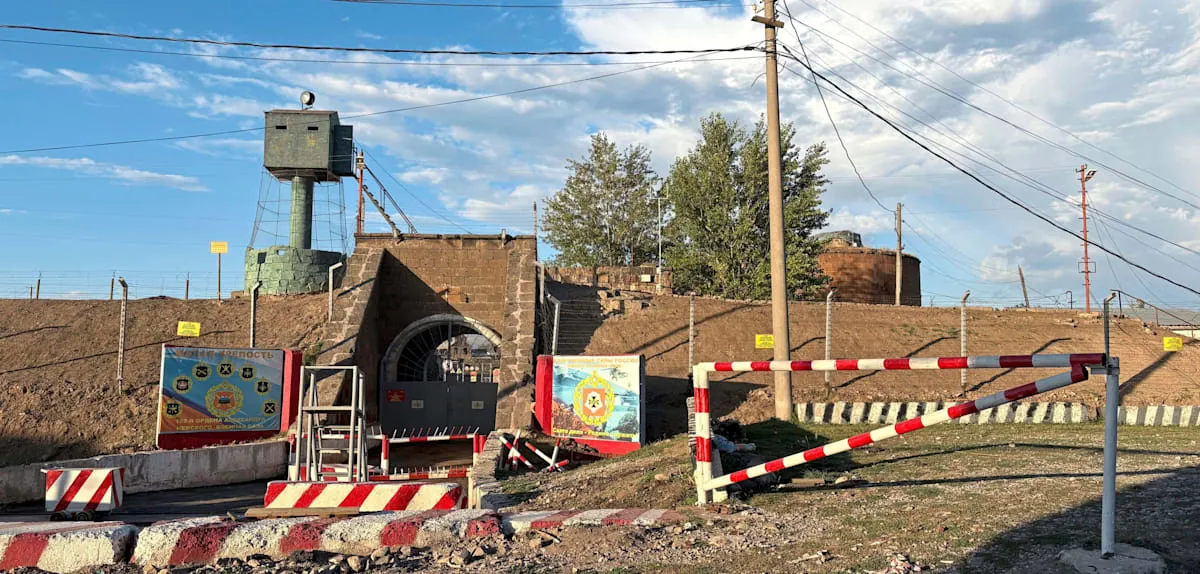
YEREVAN – A dangerous paradox looms over Armenia in 2026. Despite Russia showing signs of moving away from its traditional ally status, the presence of thousands of Russian soldiers on Armenian soil has become a latent threat to Kremlin dissidents and deserters seeking asylum. Those fleeing the Moscow regime, hoping to find security in the former satellite state, now face a bitter reality: the safety they seek is merely an illusion.
This situation stems from shifting geopolitical dynamics. Russia, once Armenia's primary protector, especially in the Nagorno-Karabakh conflict, now appears to have abandoned its ally. However, this political withdrawal has not been followed by a full military pullout. Thousands of Russian military personnel continue to occupy strategic bases across the country, asserting an unspoken influence.
The presence of these Russian forces presents a moral and existential dilemma for individuals who are vocal critics of Kremlin policies or have chosen to defect from military service. They believed that Armenia, with its historical ties to Russia, would be a safe haven from pursuit by Moscow's apparatus. Yet, beneath the surface, the fear of intervention or forced apprehension continues to haunt them.
We know we have to be afraid of them, stated a young Russian deserter who wished to remain anonymous, referring to the long shadow of the Kremlin, capable of reaching even into Yerevan. This admission illustrates the precariousness of their position, living in constant anxiety in a country that, on paper, should offer protection.
The Armenian government itself is in a difficult position. Striving to balance relations with the West while navigating its historical legacy and Russian military presence, it cannot freely offer full security guarantees. Every diplomatic step must be carefully calculated to avoid triggering greater tensions with Moscow.
For these dissidents, the available options are severely limited. The path to Europe, often the ultimate destination for political asylum seekers, is now increasingly closed. Strict visa restrictions and complicated immigration procedures make migration to Western countries almost impossible, leaving them trapped between threat and uncertainty.
This case highlights the complexities of international relations post-2020, where the lines between allies and adversaries are blurring, and the sovereignty of smaller nations often hangs in the balance. Armenia, striving to assert its independent identity, has instead become a battleground for those directly confronting Russian power.
Thousands of these individuals—ranging from critical journalists, human rights activists, to soldiers refusing orders—now live in limbo. They require stronger international protection and clear humanitarian corridors, but global mechanisms seem not yet fully capable of responding to this silent crisis.
The psychological impact of this situation cannot be underestimated. Anxiety, paranoia, and feelings of isolation become part of daily life. A new generation of political refugees is forming, facing invisible yet very real threats, in the shadow of a country that was supposed to be their second home.
In relation to Russia's broader geopolitical maneuvers, this situation in Armenia can be seen as part of Moscow's strategy to maintain its regional influence, even over nations seeking independence. This reinforces the narrative of how Putin and Xi Build a New World Order, where traditional powers seek to challenge Western hegemony and create their own spheres of influence.
Editorial Insight: The situation in Armenia underscores a grim reality for those who oppose authoritarian regimes. The enduring Russian military presence, despite Armenia's political distancing, creates a grey zone where personal security is profoundly fragile. This is not merely an issue of sovereignty; it is a humanitarian crisis demanding global attention. If the international community fails to offer solutions, Armenia risks becoming a trap for those seeking freedom, with long-term implications for regional stability and universal human rights principles.