 Angela Stefani

BERLIN – Political decisions made in Germany's capital, Berlin, following the snap elections of 2026, have sparked intense debate among leading journalists and analysts. A recent WELT Talk panel discussion delved deep into the implications of the general election results in Berlin and the state of Mecklenburg-Western Pomerania, which are deemed to carry significant consequences for Germany's political future.
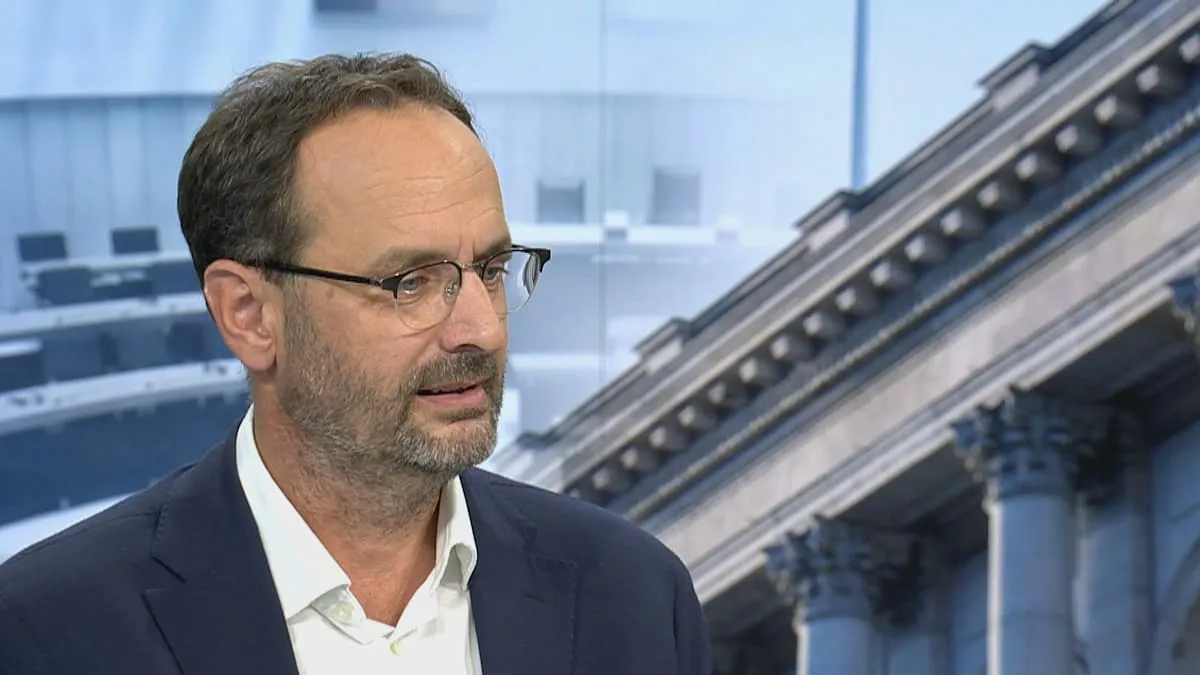
In the latest episode of the WELT Talk discussion program, Helge Fuhst, Editor-in-Chief of WELT, led a crucial conversation. He was joined by several experienced figures in journalism and politics: Paul Ronzheimer, Axel Springer Global Reporter; Christiane Hoffmann, former government spokeswoman; Maximilian Heimerzheim, WELT Editor; and Moritz Seyfarth, Editor-in-Chief of Business Insider.
The panelists specifically discussed the election results in Berlin, which many consider a 'costly decision' with long-term implications. The situation in Berlin was exacerbated by complex political dynamics, especially following controversy surrounding the 'Wahlintifada' call by a Linke candidate prior to the election, which added tension to the local political landscape.
Analysis focused on how Berlin voters' decisions, both directly and indirectly, will affect the stability of coalition governments and the direction of national policies. The defeat of established parties in several urban areas of Berlin sends a strong signal about shifting voter preferences.
Furthermore, the panel also highlighted the election results in Mecklenburg-Western Pomerania. In this eastern state, the Social Democratic Party (SPD) recorded a strong performance, as reflected in Manuela Schwesig's leadership successfully shaking up the Landtag election. This contrast indicates a striking polarization between eastern and western Germany.
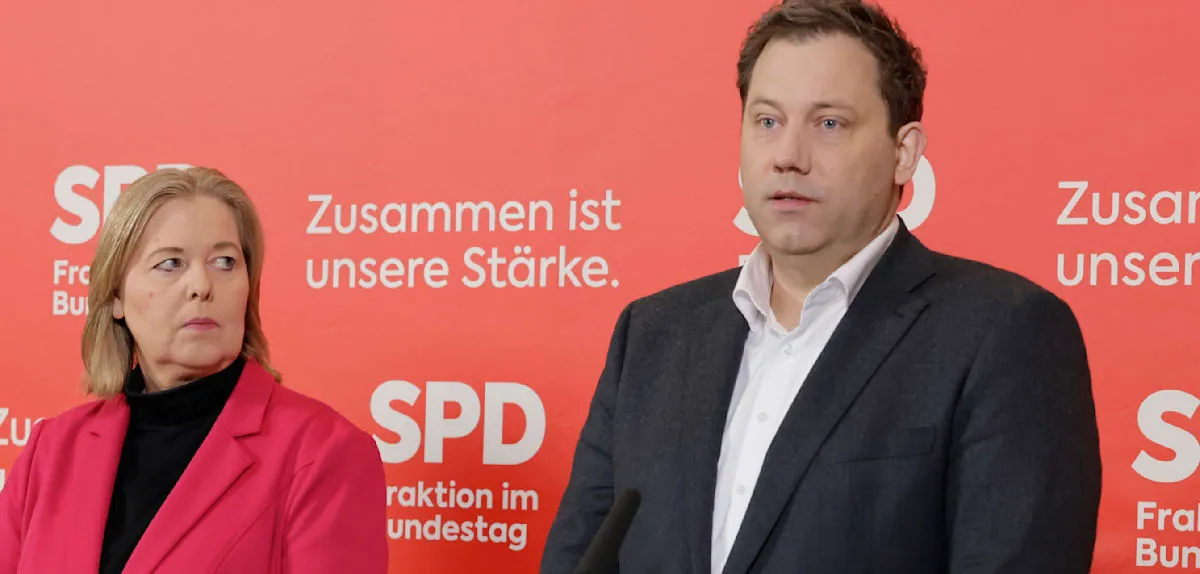
Internal divisions within the SPD itself, with euphoria in the east and defeat in Berlin, became a hot topic of discussion. This phenomenon illustrates the significant challenges faced by traditional parties in maintaining support across the country.
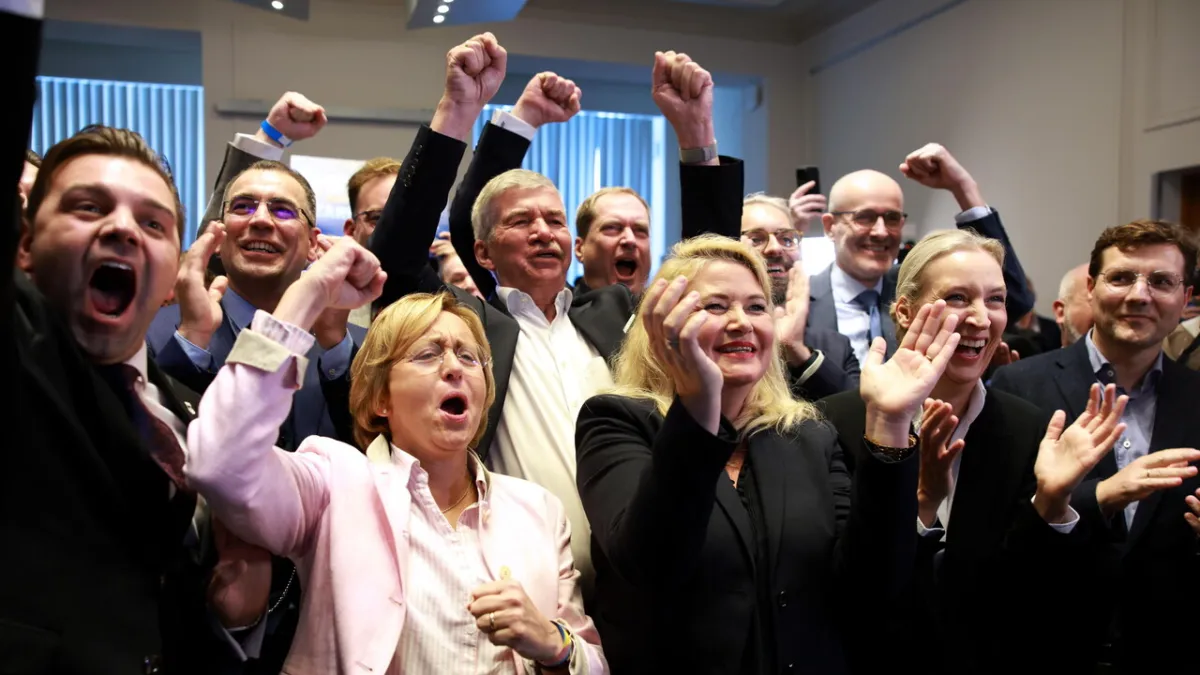
Chancellor Friedrich Merz had previously voiced concerns about the dominance of Alternative for Germany (AfD) in the eastern regions, even calling it a 'disaster'. The 2026 election results further clarify the escalation of support for populist and far-right parties.
The analysts at WELT Talk agreed that these dynamics demand a strategic response from mainstream parties. The challenges of political and economic reform become increasingly urgent to counter the authoritarian threat looming over Germany, especially leading up to 2026.
The 'costly' consequences of these election decisions could refer to several aspects, including: potential instability of coalition governments at the federal level, slower strategic decision-making, or even a significant shift in Germany's foreign policy orientation.
This discussion not only reflects election results but also serves as an important platform to shape public narrative and identify potential solutions amidst Germany's current political complexities.
Editorial Insight: The 2026 election results in Berlin and Mecklenburg-Western Pomerania highlight an increasingly fragmented and challenging political landscape in Germany. The failure of traditional parties to consistently win over voters across various regions points to an urgent need for adaptive strategies and more effective communication. These voter decisions will not only shape local governance but also potentially redraw the national political power map, forcing the coalition in Berlin to confront new realities with substantive reforms or face broader erosion of legitimacy.