 Gabriella
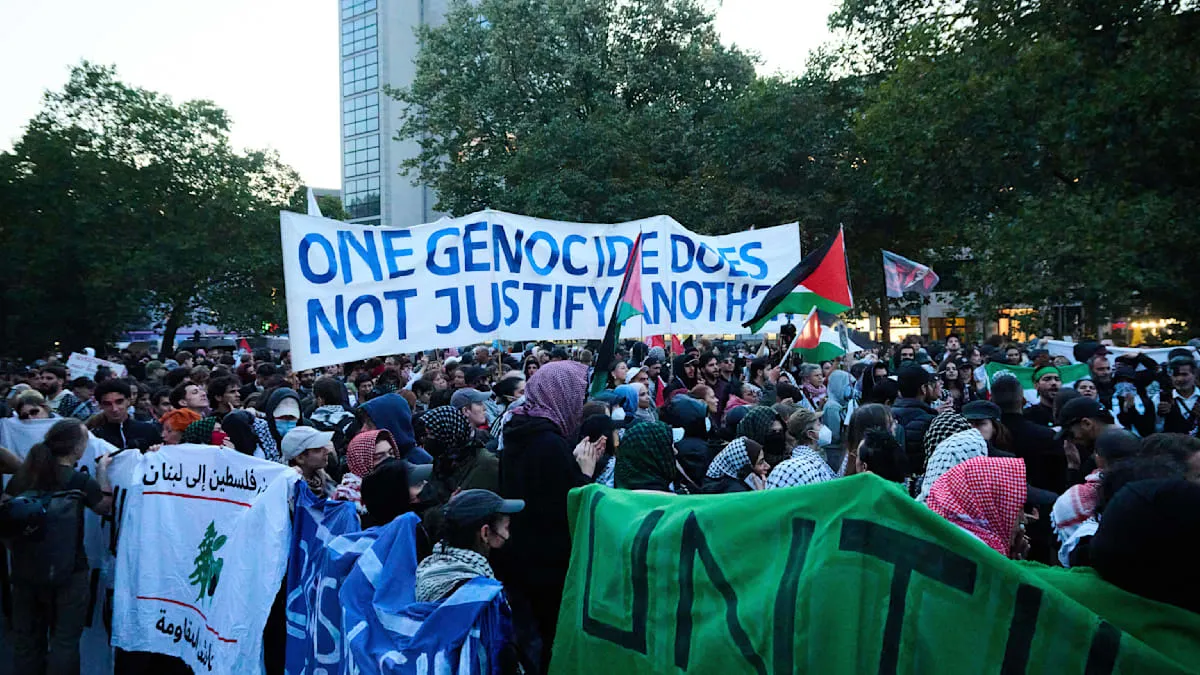
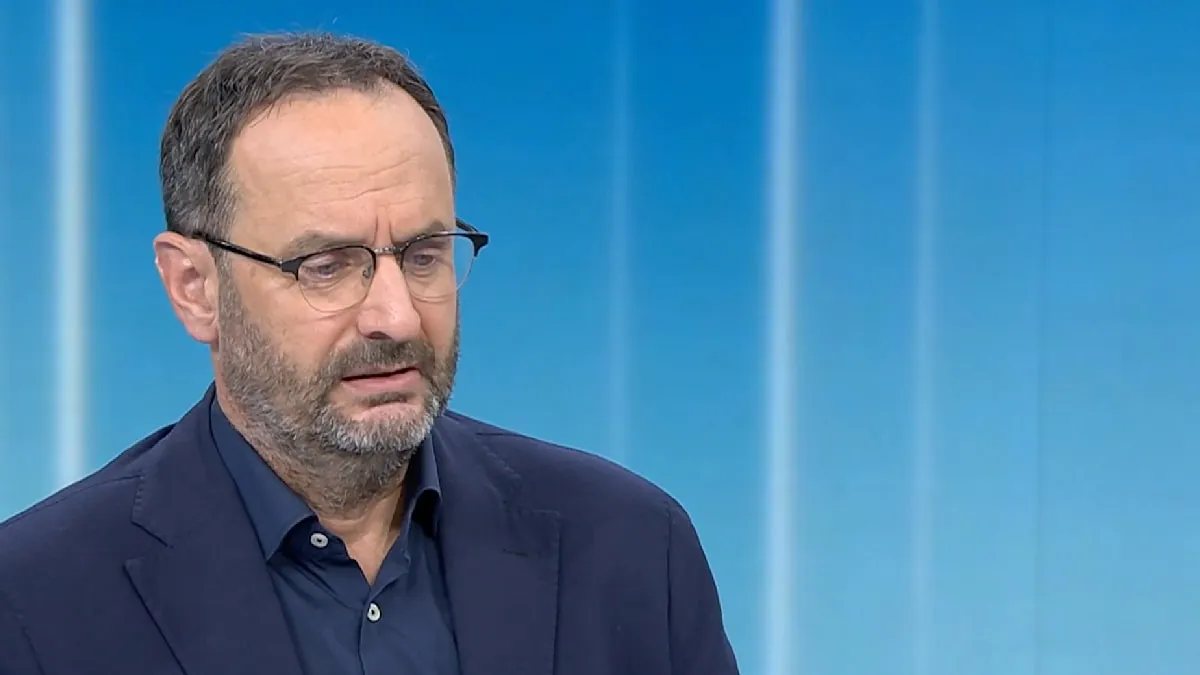
BERLIN – Iman Sefati, a prominent multimedia producer from Bild, has launched sharp criticism against the burgeoning network of Islamist and left-wing radical groups now operating in Berlin. He asserted that the presence of these groups significantly obstructs constructive democratic discussions. Sefati, in his recent report, also explicitly criticized the handling of this issue by the Linke Party (The Left Party), deeming it ineffective and even overly permissive.
The presence of these radical groups, according to Sefati, has fostered an atmosphere of fear among the public. This fear is not merely an assumption but a natural response to the extreme agendas they propagate. 'Democratic discussions are unfortunately not possible with such people,' he stated, underscoring the impossibility of open dialogue with individuals or groups who reject fundamental democratic principles.
He acknowledged understanding the concerns felt by Berlin residents. Germany's capital, with its long history as a melting pot of diverse ideologies, now faces serious challenges from extreme polarization. The network described by Sefati exploits public spaces to disseminate divisive narratives, thereby impeding the process of political and social consensus.
Sharp criticism is directed at the Linke Party. Sefati highlighted how the party, instead of taking a firm stance, appears hesitant or even provides space for narratives that could jeopardize social cohesion. This is not the first time the Linke Party has faced similar scrutiny, as public anxiety about extremism continues to rise.
This issue is not merely about ordinary political differences but concerns the integrity of the democratic process itself. When certain groups systematically reject dialogue and opt for ideological confrontation, the foundations of a pluralistic society are threatened. The space for finding common solutions becomes increasingly narrow.
Concerns about the influence of radical groups among Linke politicians themselves have often been voiced. Several previous reports have indicated that some politicians from the party feel pressured by internal and external dynamics related to extremist groups. Issues such as Palestinian solidarity circles triggering fear, and Hamas sympathizers deemed a serious threat to democracy, are concrete examples of how deeply rooted this issue is.
This phenomenon recalls the complex challenges faced by Western nations in balancing freedom of expression with the prevention of extremism. The German government, especially at the city level in Berlin, needs to reassess its strategy for dealing with groups that openly reject constitutional values.
Sefati emphasized the urgency for the Linke Party to be more proactive in curbing the influence of radicalism. An ambiguous or defensive stance will only exacerbate the situation, providing an opening for extremists to strengthen their grip on public and political spheres. Political courage is necessary to restore the dignity of democratic discourse.
The repercussions of this failure can spill over into various sectors, including social and economic stability. Berlin, as a global city attracting investors and tourists, certainly does not want to be branded as a breeding ground for dangerous ideologies. Therefore, serious and comprehensive handling is urgently needed.
City authorities and security forces must strengthen coordination and counter-extremism strategies. Public education on the dangers of radicalism, along with support for civil society initiatives promoting dialogue and tolerance, is also crucial to shield society from the infiltration of extremist ideologies.
Editorial Insight:
Iman Sefati's critique highlights a profound irony in Berlin, where a party supposedly championing social justice finds itself entangled in the dilemma of handling extremism. The Linke Party's reluctance or inability to unequivocally condemn and combat radical groups could severely damage their credibility and endanger the foundations of German democracy. This challenge is not just a test for one party but for the entire political spectrum in upholding the principles of dialogue and pluralism in this year 2026.