 Edward DP Situmorang
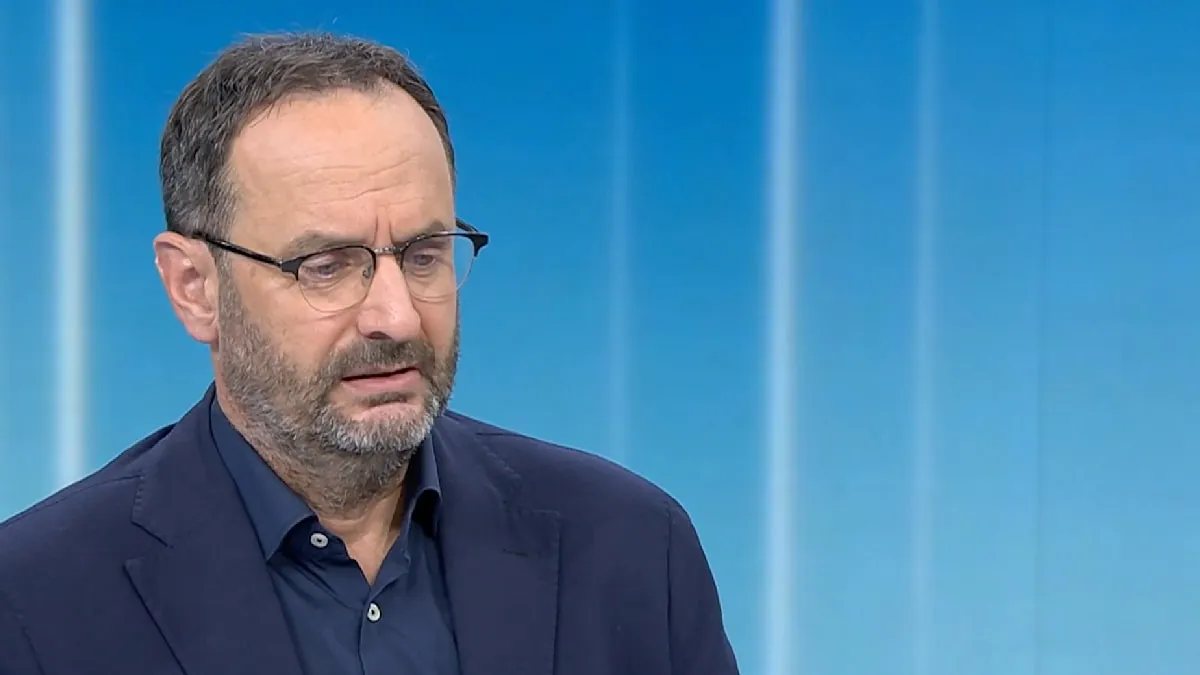
MUNICH – Hubert Aiwanger, a prominent German politician known for his outspoken and uncompromising style, passed away suddenly in 2026, leaving a profound void in the political landscape of Bavaria and Germany. The sudden departure of the Bavarian Deputy Minister President and leader of the Freie Waehler (Free Voters) party was sharply highlighted by leading media outlets, including Peter Tiede, BILD's Chief Political Author, who called it the loss of the 'last unpolished' figure who dared to argue.
Tiede's statement underscores Aiwanger's hallmark as a figure unafraid to engage in fierce debate. 'You could argue with him. He wasn't one of those smoothed-over drops that fly out of your hand with every question,' Tiede remarked, describing Aiwanger's courage to uphold his principles without reservation. His death marks the end of an era for some political observers, where the bravery to be authentic is increasingly rare amidst the homogeneity of public narratives.
Aiwanger was more than just an ordinary politician. He represented the voice of the grassroots, often overlooked by the political elite. As the leader of Freie Waehler, a prominent party in Bavaria, he successfully solidified regional identity while wielding significant influence at the federal level. This sudden loss undoubtedly raises major questions about the future leadership of the party and the direction of Bavarian politics post-Aiwanger.
Aiwanger's position as Bavarian Deputy Minister President provided him a platform to voice regional concerns, especially on economic issues and cultural identity. He was known to be vocal against European Union policies he deemed detrimental to German national interests, and a staunch defender of SMEs and the agricultural sector. His dedication to his constituents set him apart from many of his peers.
Reactions to his death crossed the political spectrum. Many colleagues and even political opponents expressed condolences, acknowledging the mark he left on the German political scene. His courage to be 'authentic,' even if it meant controversy, earned him a loyal following and respect from those who valued political honesty.
The year 2026, marked by global challenges and geopolitical shifts, demands leaders who dare to take a stand. In this context, Aiwanger's passing creates a void. The big question now is who will fill the role as a strong alternative voice in Germany, capable of challenging dominant narratives without fear of being labeled 'unpolished.'
In an increasingly polarized political landscape, Aiwanger's ability to engage in dialogue, albeit with firm arguments, was a valuable asset. He managed to bridge differing viewpoints on various issues, from energy to immigration, often with a pragmatic yet assertive approach.
Peter Tiede is not alone in his view. Many political commentators saw Aiwanger as a figure who brought a distinct color to German politics, which at times could seem monotonous. His presence ensured that not all voices would 'soften' for the sake of false consensus or instant popularity.
Aiwanger's death in 2026 will compel Freie Waehler to swiftly seek a successor with similar charisma and assertiveness, a task made difficult by his unique character. The political dynamics of Bavaria, and indeed Germany as a whole, may experience significant shifts following the departure of one of its most influential figures.
Editorial Insight: Hubert Aiwanger's death is a reminder that politics requires a diversity of voices and characters. The loss of a figure who dared to be authentic, even if sometimes deemed controversial, is a loss for a healthy democratic ecosystem. German politics now faces the challenge of rediscovering the courage for authentic expression amid the growing cautiousness of modern politicians in every step and word. The void left by Aiwanger may encourage the emergence of new figures, or it could reinforce the trend of political homogeneity. This is a critical question for the future of democracy in Germany, especially considering the current political dynamics in Europe, as also highlighted in articles like Japan Worries: Germany Joins GCAP, 2035 Fighter Jet Project Delayed? and Klingbeil Declares Post-Trump Era Over, Warns German Auto Bosses which address Germany's role on the global stage.