 Stefani Rindus
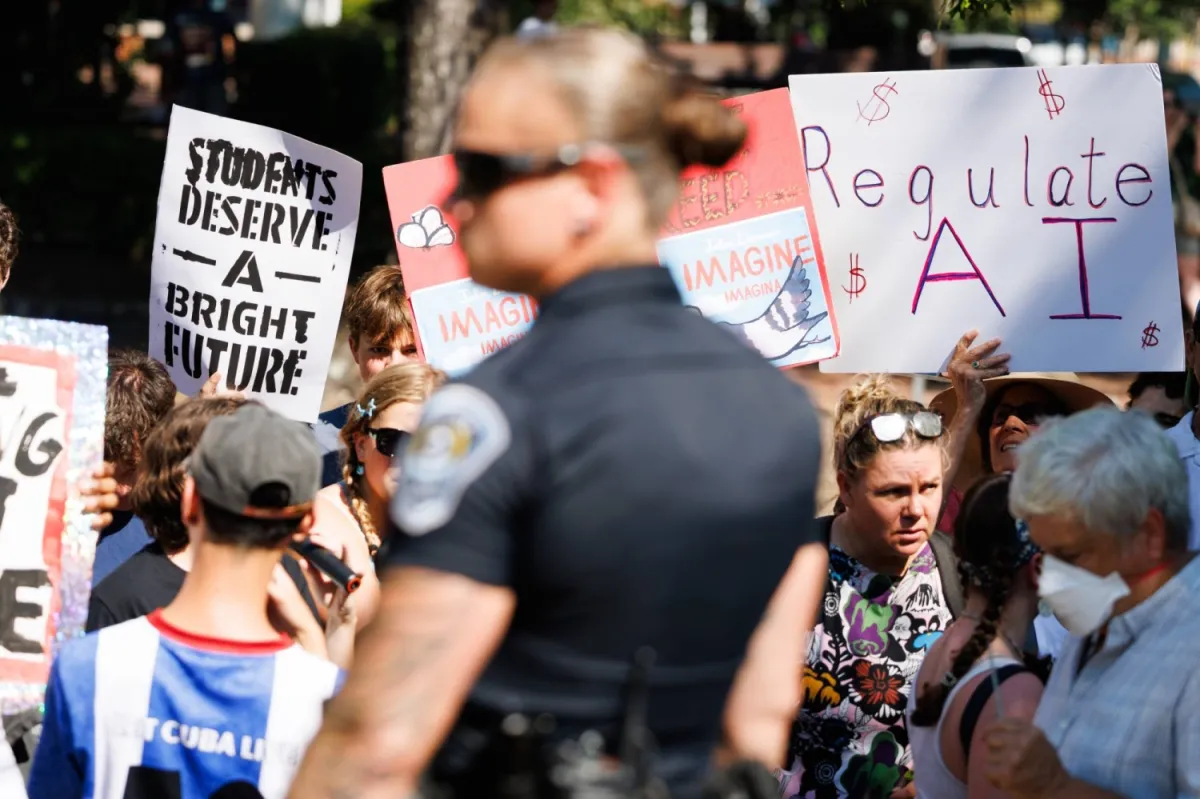
WASHINGTON – Amidst an unstoppable wave of artificial intelligence innovation, AI safety advocates have secured a substantial 110 million US dollars in funding. This fresh capital serves as primary ammunition in a crucial 'midterm fight,' aiming to shape the direction of AI regulation amidst global concerns about the technology's ethical and social impacts in 2026.
This massive financial movement indicates a serious escalation in efforts by groups advocating for tighter controls over AI development. They argue that without adequate regulation, the potential risks of AI, ranging from rampant disinformation to uncontrolled system autonomy, could jeopardize the foundations of society.
However, this battleground is not quiet. A rival funding network, aligned with the AI industry, also reported significant successes. This faction actively campaigns for the narrative that technology companies need more leeway to innovate without the burden of regulations deemed restrictive. They argue that excessive restrictions would suppress global competitiveness and slow vital progress.
Such significant investments from both sides underscore the high stakes in the debate surrounding AI. Tech companies, academics, and governments worldwide continue to grapple with finding a balance between fostering innovation and ensuring safety and accountability.
AI safety advocates, bolstered by strong funding, plan to use these resources to lobby policymakers, fund independent research, and raise public awareness about the potential dangers of AI. Their goal is to embed robust ethical principles and oversight mechanisms into every aspect of AI development.
The future of our civilization depends on how we manage the power of AI, stated a source close to the safety advocates coalition, highlighting the urgency of the situation. This investment is not just about money; it's about a collective commitment to a safe and ethical future.
On the other hand, the pro-industry network focuses on the economic potential and innovation offered by AI. They emphasize that too many rules could stifle experimentation, slow down the launch of new products, and ultimately harm consumers who could benefit from technological advancements.
This debate reflects a broader dilemma faced by governments globally. For instance, a report from OpenAI itself in 2026 once revealed fatal Linux vulnerabilities in vital infrastructure discovered by their AI, serving as concrete evidence of both the risks and capabilities of this technology.
Many policymakers are now under pressure to understand the intricacies of this rapidly evolving technology while designing relevant and adaptive regulatory frameworks. This is not just a financial battle but also an ideological struggle about the role of technology in society.
This funding battle is not solely a US phenomenon; its resonance is felt across global tech hubs like Brussels, London, and Beijing, where governments are also drafting AI laws and policies. This competition is predicted to intensify as AI becomes more sophisticated.
The impact of this midterm fight will be evident in the policies that emerge. Will strict regulations be implemented to protect society, or will the industry be given greater freedom to drive innovation without significant impediments?
The global community eagerly awaits the outcome of this fierce contest, as decisions made today will shape the technological and social landscape for decades to come. Safety or limitless innovation? The answer lies in the hands of policymakers who are now targets of this multi-billion-dollar lobby.
Editorial Insight:
The significant financial clash between AI safety advocates and the industry lobby marks a crucial phase in the evolution of technology regulation. The sheer amount of funding involved indicates how serious stakeholders are about influencing AI's future. The balance between innovation and risk mitigation is paramount. Failure to reach an effective consensus could lead to massive social disruption or, conversely, impede AI's transformative potential. The government's role as an arbiter will be fundamentally tested amidst these powerful lobbying currents.