 Stefani Rindus
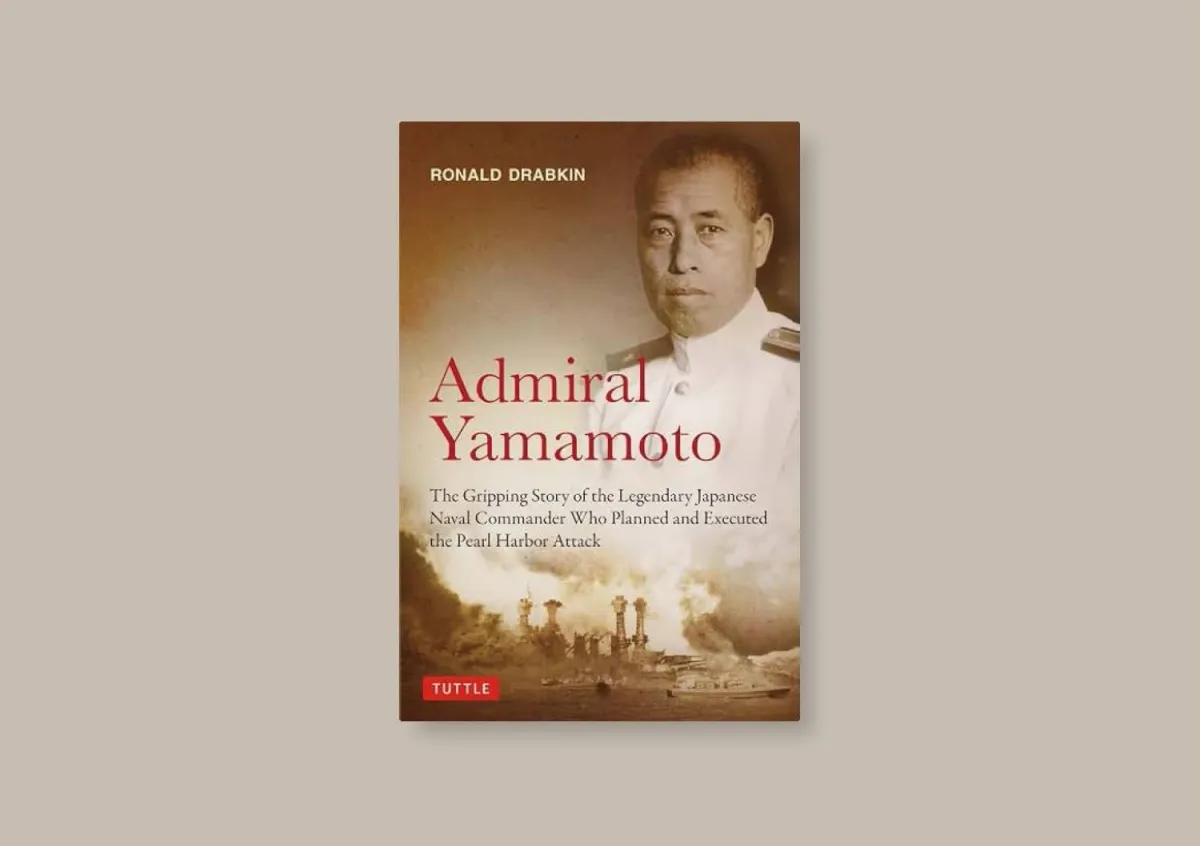
TOKYO – A comprehensive biography of Admiral Isoroku Yamamoto, the mastermind behind several Japanese military strategies during World War II, was officially released to the public on November 17, 2026. Ronald Drabkin's work offers profound insights not only into the admiral's wartime tactics but also the roots of his personal background that shaped his strategic decisions, providing a complete understanding of one of history's most controversial military figures.
The launch of the book marks a significant effort to move beyond popular narratives that often confine Yamamoto simply as the architect of the Pearl Harbor attack. Drabkin, through extensive research, presents a more complex figure of Yamamoto—a man living in a paradox between loyalty to his nation and a realistic understanding of his adversaries' strengths, especially the United States.
The book specifically highlights Yamamoto's youth, education, and his experience as a naval attache in Washington. His time in the United States shaped his perception of that nation's industrial and military potential, a view often at odds with the excessive optimism among the Japanese military at the time. Yamamoto's deep understanding of US economic and industrial capabilities might also form the foundation for modern Japanese economic strategies, as seen in the country's efforts to secure investments in the United States.
Yamamoto's strategies, particularly those applied in the early phase of the Pacific War, are often analyzed in isolation from his personal context. This new biography connects the threads between his personality, education, and life experiences with crucial battlefield decisions. For instance, his opposition to the construction of super-large battleships and his advocacy for aircraft carriers.
Ronald Drabkin reveals how the family values and culture in which Yamamoto was raised also influenced his leadership philosophy. This is not merely a tactical account but a deep character study, uncovering how an individual can impact the course of history.
One of the key findings in this biography is Yamamoto's effort to avoid war with the United States, or at least delay it, as he was acutely aware of the industrial capability disparities between the two nations. However, pressure from hardline military factions and extreme nationalism pushed him into a conflict he knew was difficult to win.
The biography also reviews details of Operation Pursuit in the Pacific, which led to Yamamoto's death. The author analyzes his final decisions and how he faced his fate, offering a humanist perspective on a military leader amidst despair.
The importance of understanding Isoroku Yamamoto holistically remains relevant today, especially for historians and military analysts seeking deeper insights into the dynamics of decision-making during global conflicts. This work serves as an essential reference for World War II studies.
The release of this biography is expected to spark new discussions regarding the role of individuals in grand history, as well as the complexity of ethics and strategy faced by military leaders. It also serves as a reminder of the importance of learning from the past to prevent the recurrence of similar mistakes.
Through this new lens, the public can view Yamamoto not just as the architect of a surprise attack but also as a conflicted visionary, caught between idealism and the brutal reality of war.
This book is anticipated to become required reading among academics and global military history enthusiasts, particularly those interested in the geopolitics of Asia and the Pacific in the 20th century.
Editorial Insight: This latest biography does not merely add to the volume of World War II literature but recalibrates our understanding of Isoroku Yamamoto. By integrating personal background with military strategy, Drabkin provides a richer context, demonstrating that historical decisions are often the result of complex interactions between character, experience, and political pressures. The relevance of this work lies in its ability to offer lessons on leadership in crisis and the consequences of miscalculated strategic decisions, a reflection that remains vital amidst contemporary geopolitical tensions.