 Chandra Wijayanto
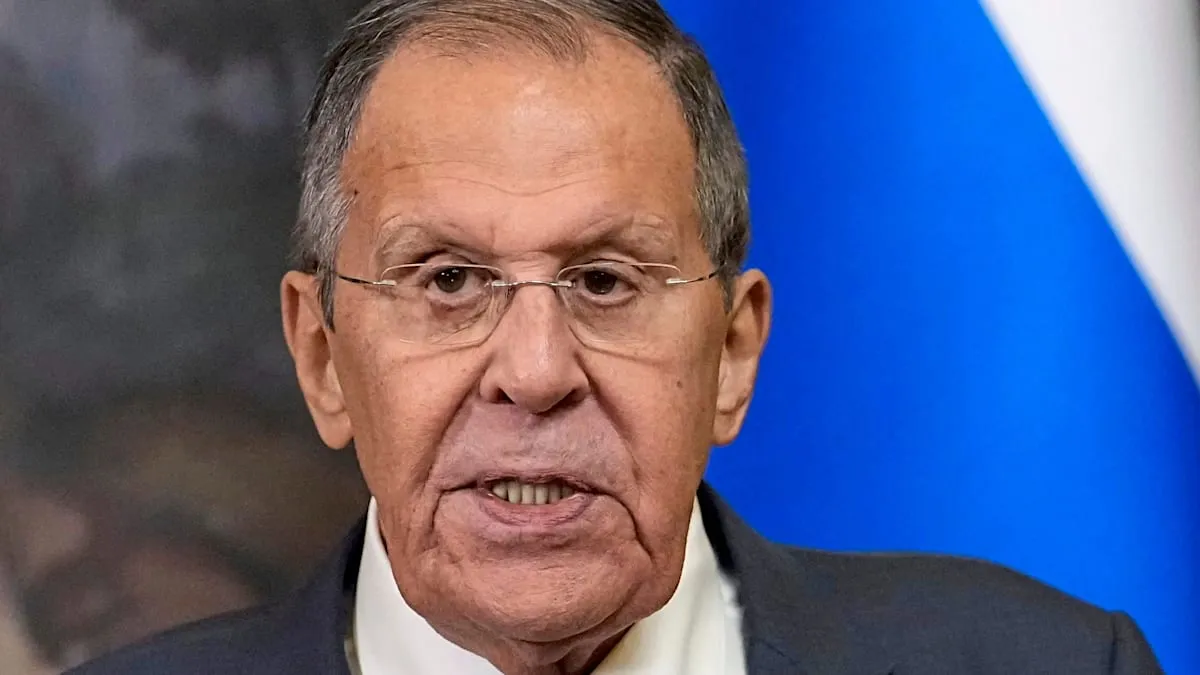
MOSCOW – Diplomatic relations between Russia and France severely strained following a harsh statement by Russian Foreign Minister Sergey Lavrov in early 2026. Lavrov publicly accused France of having direct involvement in the conflict in Ukraine, a claim promptly and strongly refuted by Paris as absurd and baseless. This accusation emerged after reports circulated regarding the presence of French soldiers in Ukrainian territory, sparking fears of a broader conflict escalation in Europe.
This claim from Moscow underscores the increasing tension between Western nations and Russia concerning military support for Kyiv. Lavrov, known for his sharp rhetoric, did not elaborate on the nature of the direct involvement but emphasized that the presence of French military personnel in Ukraine constituted tangible evidence of interference.
Lavrovs statement was delivered at a press conference in Moscow, broadcast by Russian state media, directly targeting French foreign policy. This immediately triggered a swift response from Paris.
A spokesperson for the French Ministry of Foreign Affairs, in an official statement, flatly rejected the accusation. Mr. Lavrovs claims are utterly baseless and absurd. France is fully committed to humanitarian and defense support for Ukraine, in accordance with international law, without direct involvement in combat, read the statement from Paris.
This incident occurs within the context of the war in Ukraine, which entered a critical phase in 2026, with both sides continuously strengthening their positions and seeking international support. Unverified intelligence reports concerning the presence of foreign troops on the battlefield frequently become triggers for significant diplomatic friction.
The French Ministry of Defense previously asserted that any French military personnel in Ukraine are part of non-combat training missions or technical advisors, which are defensive in nature and not offensive. However, Moscow consistently views the presence of military personnel from NATO member states as a provocation.
This Russian accusation is not the first leveled against Western countries. Previously, Moscow has also regularly claimed intervention from other NATO member states, accusing them of prolonging the conflict with advanced weapon supplies.
The geopolitical situation in Europe is becoming increasingly complex. Several analysts worry that such accusations could exacerbate efforts for dialogue and peaceful negotiation, and even trigger undesirable incidents on the ground.
The President of France, on various occasions, has affirmed his countrys commitment to helping Ukraine defend its sovereignty. However, Paris has also repeatedly emphasized the red line of not getting directly involved in armed confrontation with Russia.
Similar tensions are also observed in other diplomatic maneuvers in Europe. Trump's Maneuver Shakes Europe: Ukraine at NATO Diplomacy's Brink in 2026 also highlights the intricate dynamics of alliances and threats facing Ukraine.
The threat of escalation is becoming increasingly tangible, where ill-considered statements could lead to unpredictable consequences. The international community urges all parties to exercise restraint and return to the negotiating table.
Editorial Insight: Russias strong accusation against France indicates that Moscow is attempting to pressure Western support for Ukraine, especially after the issue of foreign troop presence on the battlefield resurfaced. Although Paris firmly denies direct involvement, this rhetoric has the potential to increase polarization and complicate a diplomatic resolution to the conflict. The world needs to be wary of increasing aggressive rhetoric that could lead to strategic miscalculations and threaten global stability.