 Dodi Irawan
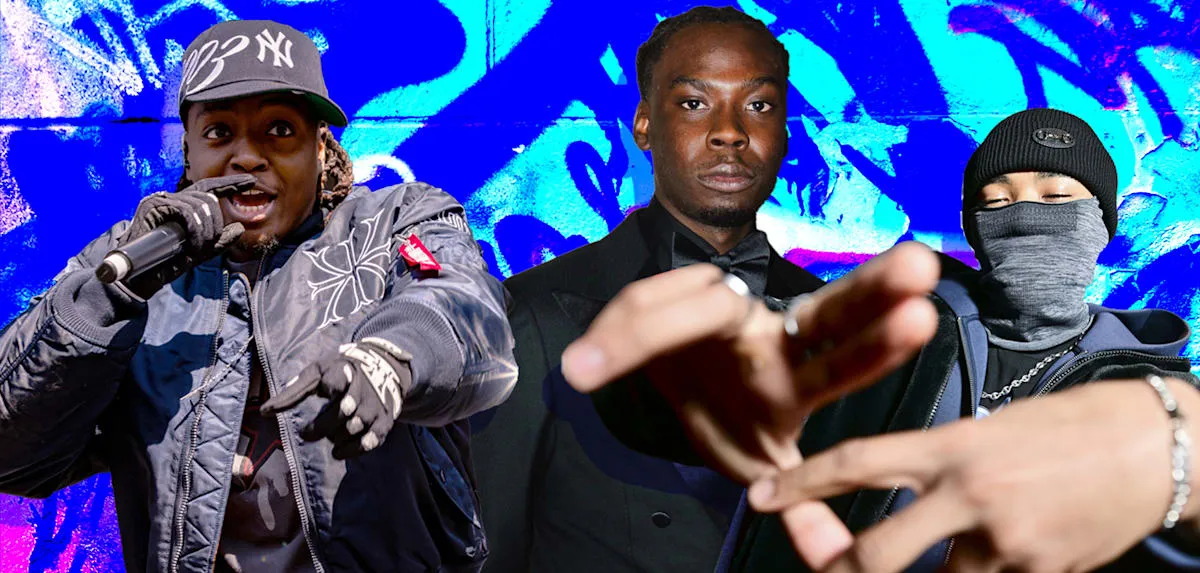
BERLIN – The German hip-hop scene, popularly known as Deutschrap, is undergoing a significant cultural revolution in 2026. After a long period of being perceived as overly established and lacking passion, a new generation of black rappers has emerged, injecting vital energy and fresh perspectives that are fundamentally transforming the genre's landscape. This phenomenon is not merely a musical revitalization but a reflection of social and identity shifts within contemporary German society.
Previously, the Deutschrap industry had reached a peak of affluence but lost its authentic essence. Many music critics and fans complained about the dominance of materialistic themes and monotonous narratives, making the genre feel bland and stagnant. This created a void for new voices seeking more honest and representative expression.
Now, it is these young black artists who are filling that void. They bring narratives about life experiences, identity struggles, and social realities that were often overlooked. Their primary inspiration largely stems from the hip-hop scene in French banlieues, urban areas known as incubators for musical talent rich in stories and a rebellious spirit. Adapting styles and themes from these banlieues introduces a new dimension previously absent in Deutschrap.
This transformation emphasizes the importance of authenticity and grassroots connection in music. This generation of rappers is not afraid to address sensitive issues such as race, immigration, and injustice, a courage that sets them apart from predecessors who tended to avoid controversy. Their presence seems to reaffirm that hip-hop is essentially the voice of the marginalized.
This shift also indicates that the broader creative industry landscape continues to adapt. Just as the global music industry highlights algorithm transparency through initiatives like Deezer's AI Music Filter, Deutschrap demonstrates that humanism and authentic narratives remain key driving forces.
This wave of revitalization is not just about the musicians; it is also about redefining a more inclusive and diverse German identity. It is an acknowledgment of the cultural contributions from minority communities that may have been underrepresented in the mainstream. They are not just rapping; they are reshaping the national narrative.
Some critics even compare this resurgence to revolutionary moments in music history, when certain genres rediscovered their spirit through subcultural movements. Deutschrap, once bogged down in establishment, is now finding its metaphorical rise from the dead, similar to how dormant genres are revived.
The impact of this phenomenon is expected to be widespread. It will not only influence charts but also fashion, everyday language, and even social dialogue in Germany. This demonstrates music's power as an agent of change capable of breaking down barriers and building intercultural bridges.
A challenge for these new rappers is to maintain momentum and not succumb to the old industry patterns that previously led Deutschrap to stagnation. Consistency in delivering relevant and honest content will be key to the sustainability of this revolution.
Similar phenomena are also observed in the global music scene, where artists like Raye successfully shook the Grammys in 2026, marking an era of female dominance continuing the global pop music revolution. This is proof that listeners are hungry for diversity and more authentic narratives.
This new Deutschrap is more than just a fleeting trend. It is a cultural statement, an affirmation of identity, and proof that art always finds its way to speak, even when it is thought to have reached saturation point. Their journey is a story of courage, innovation, and voices demanding to be heard.
Editorial Insight: The resurgence of Deutschrap by a generation of black rappers highlights the complex dynamics of identity in Germany. This is not just about music; it's also about the negotiation of space and representation for communities that may have felt marginalized. Their success will be a significant indicator of how Germany embraces diversity and allows new voices to reshape its cultural landscape. This revolution has the potential to alter global perceptions of German music and its position in the world hip-hop narrative.