 Dorry Archiles
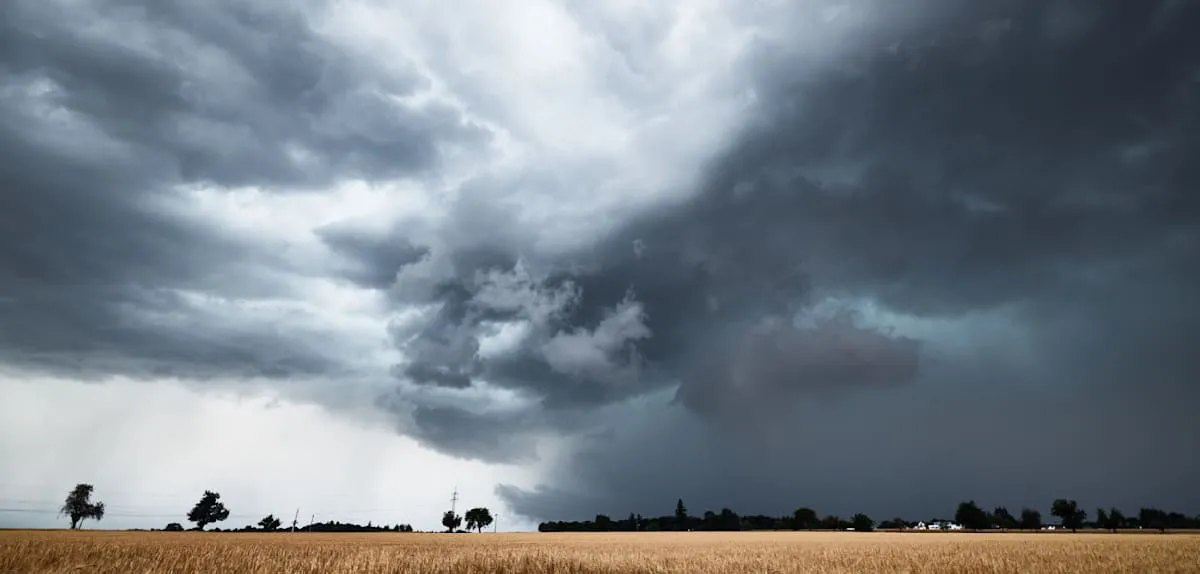
Nordrhein-Westfalen — A powerful thunderstorm that recently struck various regions of Germany has resulted in serious casualties and significant damage. Two teenagers, aged 18 and 19, sustained severe injuries after being hit by a large tree branch in Nordrhein-Westfalen. This tragic incident highlights public concerns about the dangers of extreme weather that is increasingly affecting Central Europe.
The storm's impact did not stop there. In the Mecklenburg-Vorpommern region, several water sports enthusiasts were stranded at sea and required intensive rescue operations. A large tree also fell, crushing a car and injuring its two occupants, and hitting the cabin of a freight truck, causing severe damage to the vehicle. These incidents underscore the urgency of preparedness for natural disasters.
The German meteorological authority, Deutscher Wetterdienst (DWD), had issued early warnings regarding the potential for extreme storms in several federal states. This unpredictable weather, characterized by heavy rain, strong winds, and lightning strikes, is expected to continue throughout the summer of 2026. The public is urged to heighten vigilance, especially when engaging in outdoor activities.
The incident involving the two teenagers in Nordrhein-Westfalen occurred while they were outdoors. A decaying tree branch, unable to withstand the strong winds, broke off and fell on them. Medical personnel quickly arrived at the scene to provide first aid and evacuate the victims to the nearest hospital. Their condition is reported to be critical but stable.
In Mecklenburg-Vorpommern, the rescue operation for the water sports enthusiasts was dramatic. Coast guard teams and volunteers worked together against high waves and strong winds to bring them safely ashore. Fortunately, there were no fatalities in the water incident, although some experienced mild hypothermia.
Meanwhile, the incidents of fallen trees crushing a car and a truck in Mecklenburg-Vorpommern caused substantial material losses. The truck driver managed to escape just before the tree hit his cabin but was left in severe shock. Authorities immediately began clearing debris to restore road access.
Local governments in both federal states activated emergency posts and deployed joint teams from the police, fire department, and park services to handle the storm's aftermath. The primary focus is on ensuring public safety and restoring damaged infrastructure. The process of identifying and addressing high-risk trees will also be enhanced.
This phenomenon of intense storms is not an isolated event. Germany has experienced a series of extreme weather events in recent years, including flash floods, droughts, and severe storms. Global climate change is widely believed to be a major factor behind the increasing frequency and intensity of such occurrences.
The public is advised to constantly monitor the latest weather information from official sources. Safety guidelines, such as avoiding shelter under trees during a storm and staying away from turbulent water areas, must be observed to minimize risks. Collective awareness is key in facing an ever-changing environmental challenge.
Similar incidents of storms devastating Germany with critical casualties and stranded paddlers occurred some time ago, as reported in the article German Storm Devastation: Two Teenagers Critical, Paddlers Stranded. This indicates a recurring pattern of extreme weather and necessitates a more comprehensive long-term response from the government.
The restoration efforts for infrastructure and public facilities following this disaster will incur significant time and cost. The government's focus extends beyond emergency response to long-term mitigation strategies, including improvements to urban drainage systems and strengthening vital infrastructure to be more resilient to the impacts of climate change.
Environmental experts and climatologists emphasize the importance of more aggressive climate adaptation. This includes investments in eco-friendly technologies, carbon emission reduction, and the development of cities resilient to extreme weather. Recurring natural disasters serve as a serious reminder of the impacts of the climate crisis.
This storm incident also sparked discussions about the role of insurance and government assistance for victims. Many residents who suffered material losses are now hoping for adequate compensation schemes to help them recover from the disaster. Social solidarity becomes vital during such difficult times.
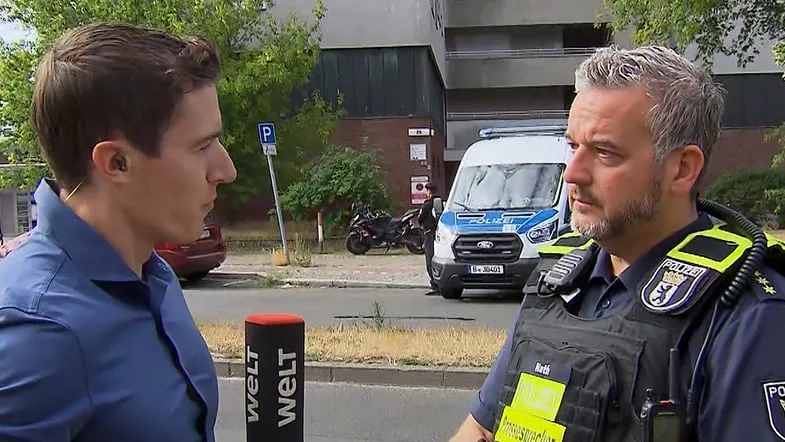
The police also urged citizens not to approach areas recently affected by fallen trees or collapsed power poles, as potential secondary hazards still exist. Safety perimeters have been established in several locations to ensure no additional casualties during the cleanup process.
Overall, this storm that struck Germany serves as a valuable lesson about the unpredictable power of nature. Individual preparedness and national disaster mitigation systems must continue to be strengthened to protect lives and assets from future threats of extreme weather, especially amid predictions of increased storm intensity in 2026 and beyond.