 Stefani Rindus
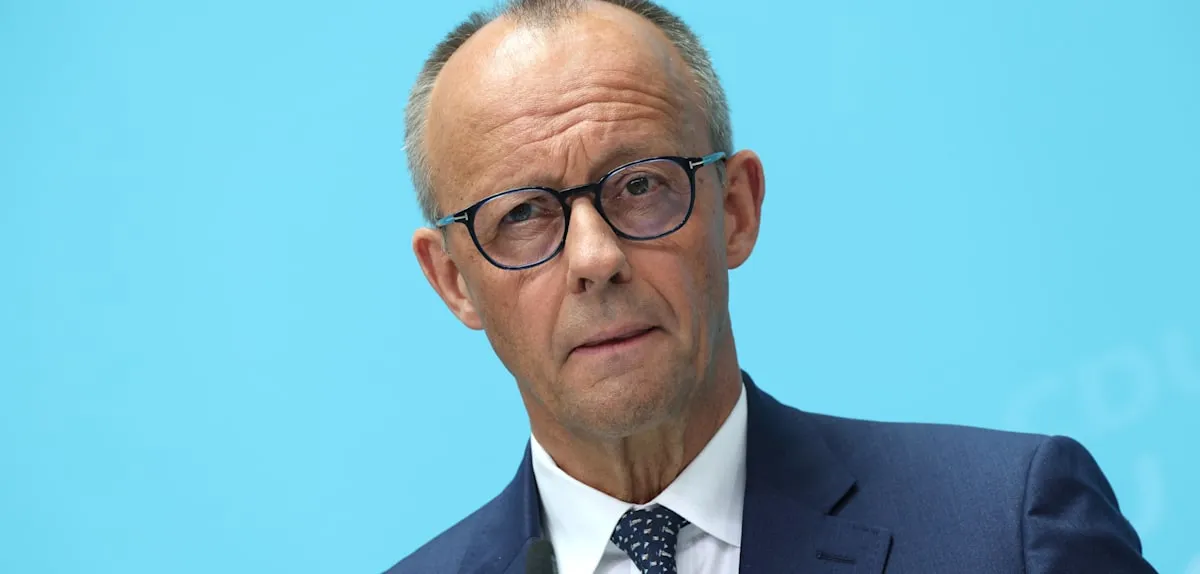
BERLIN – Political tensions in Germany have escalated after another local branch of the Christian Democratic Union (CDU) party sent an urgent letter (Brandbrief) to its Chairman, Friedrich Merz. This incident coincides with the Social Democratic Party's (SPD) surprising decision to halt the care reform (Pflegereform) process, which was scheduled to be approved by the ruling coalition this Wednesday. The situation not only highlights internal divisions within the CDU but also tests the stability of the governing coalition.
The bold move by the unspecified CDU branch indicates a deepening dissatisfaction among the party's grassroots with Merz's leadership direction or the party's overall strategy. This marks one of several Brandbriefs received by Merz, signaling a consistent pattern of criticism from the party's base. Such urgent letters typically contain strong demands or warnings regarding critical policies or issues deemed detrimental to the party or its constituents.
The letter was also reportedly addressed to the Bundeskanzler (Federal Chancellor), an action that adds political weight and suggests the issue transcends mere internal party matters. Targeting the Chancellor underscores the urgency of the concerns raised and their potential implications for the overall stability of the governing coalition.
Simultaneously, the SPD's decision to halt the Pflegereform is a significant setback for the coalition's agenda. Care reform is a sensitive and pressing issue in Germany, given its aging population demographic and the strain on the healthcare system. This suspension raises serious questions about consensus within the coalition and its ability to implement crucial policies.
The Pflegereform was expected to address various challenges in the care sector, ranging from labor shortages to inadequate funding. Its delay or cancellation has the potential to trigger wider public dissatisfaction, particularly from families reliant on care services.
Sources close to the coalition indicate that the halt of the Pflegereform was due to fundamental differences in opinion among the member parties of the coalition. Specific details of these differences have not been disclosed but are believed to relate to budget allocation and the scope of the reform.
Political pressure on Friedrich Merz is intensifying. As the leader of the largest opposition party, Merz is expected to unify the CDU's voice and offer robust policy alternatives. However, this wave of internal protests reveals the vulnerability of his position. This situation is akin to the challenges faced by Chancellors caught amidst coalition dynamics, as explored in the article Chancellor Trapped in Coalition, German Democracy on the Brink of Trust Crisis.
This incident reaffirms that German politics in 2026 is experiencing significant turbulence. It involves not only inter-party competition but also simmering internal discontent. How Merz responds to this urgent letter and how the coalition addresses the Pflegereform stalemate will be critical tests for the country's political stability.
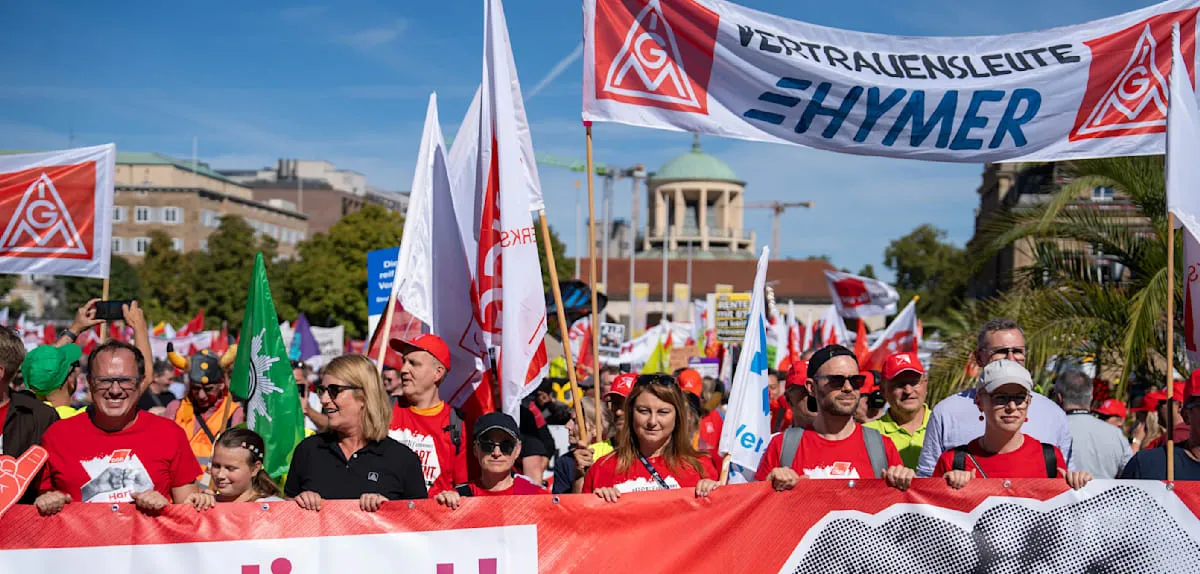
The German public has repeatedly voiced concerns about social security, including the care system. Mass protests, as noted in the report Wave of Protests Rocks Germany: 175,000 Demand Stable Social Security by 2026, demonstrate a strong public demand for more stable and inclusive social welfare.
Failure to effectively respond to both internal and external demands could erode public trust in German political institutions. This could impact the electability of both ruling and opposition parties ahead of upcoming general elections.
Editorial Insight: The ongoing wave of Brandbriefs directed at Friedrich Merz, coupled with the SPD's suspension of a crucial reform, indicates that Germany's political landscape is at a critical juncture. Merz now faces a dilemma between appeasing his party's internal base and projecting an image of a strong opposition leader amidst coalition turmoil. If not managed carefully, these frictions could accelerate the erosion of support for the CDU and weaken the governing coalition, potentially triggering greater instability in the future.