 Dodi Irawan
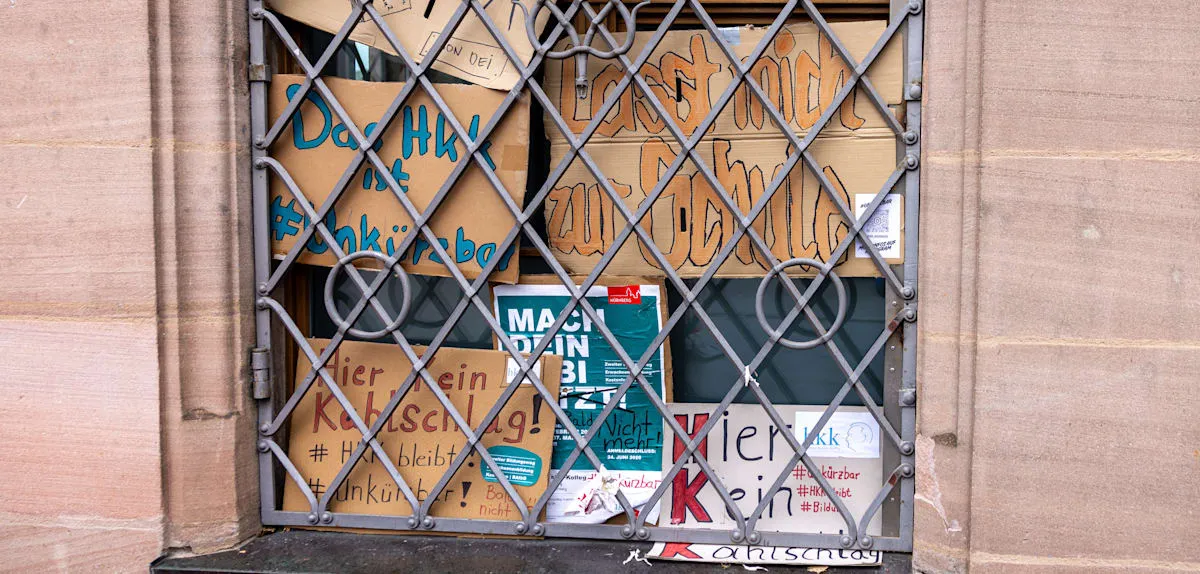
NUREMBERG – A city council meeting in Nuremberg to discuss budget cuts totaling nearly 70 million euros descended into chaos as waves of protests disrupted proceedings. The incident, which took place at the city hall, involved verbal abuse directed at the Mayor and intimidation of a city council member by demonstrators vehemently opposing cuts to social and cultural sectors.
The protests, led by the left-wing party Die Linke and other civil society alliances, unequivocally opposed the proposed austerity plan. They argue that slashing budgets in vital sectors will directly impact citizens wellbeing, particularly vulnerable groups, and dim the artistic and cultural life of this historic city.
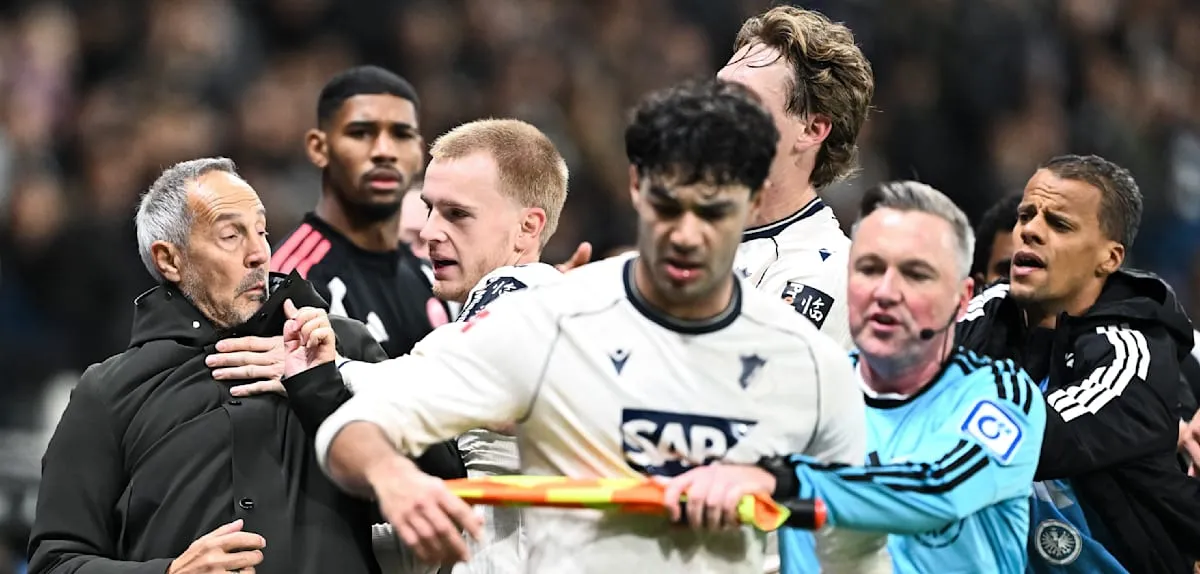
Tensions peaked as provocative shouts like Halt's Maul, or 'Shut up,' were repeatedly yelled amid an increasingly heated atmosphere. This situation not only disrupted the decision-making process but also raised serious questions about the limits of democratic expression and respect for legislative institutions.
The unnamed city council member was reportedly cornered and subjected to unpleasant treatment, while the Mayor also became the target of insults. This scene reflects the high level of public frustration with fiscal policies perceived as unfair or nontransparent.
Nuremberg's decision to implement budget cuts of nearly 70 million euros is not without reason. The city's financial situation, facing serious pressure, has prompted local government to seek various means to balance its budget. However, the choice to cut social and cultural sector budgets has ignited widespread anger.
The protesting groups argue that the social and cultural sectors are the backbone of the community, providing essential services and enriching the city's identity. Cuts in these areas are seen as a double blow to citizens and Nuremberg's cultural heritage.
The incident at city hall highlights challenges faced by many European cities, where economic pressures often lead to difficult decisions that trigger public polarization. The debate over budget priorities becomes a battleground between fiscal necessity and social demands.
This event can also be viewed as part of a trend of political protests in Germany, as seen in internal left-wing party turmoil like the 'Ego Show Emde' that rocked Germany's Left Party, with Ines Schwerdtner reacting strongly. This underscores the complex dynamics of German internal politics regarding public policy and the representation of the people's voice.
City leaders now face a crucial dilemma: how to balance urgent financial needs with community aspirations demanding protection for social and cultural services. Constructive dialogue is essential to finding sustainable and equitable solutions.
Without an inclusive and transparent approach, the risk of such conflicts escalating will continue to loom over every important decision made by the city government. The credibility of democratic institutions depends on their ability to respond to citizens' concerns wisely and responsibly.
Editorial Insight: The events in Nuremberg mirror a global tension between fiscal stability and social justice. This indicates that austerity policies, though perhaps necessary, must be implemented with extreme caution and accompanied by intensive public dialogue. Without it, the legitimacy of government decisions can erode, potentially triggering broader social unrest and undermining democratic order. It is crucial for leaders to find common ground that not only improves finances but also preserves the social and cultural cohesion of the community.