 Stefani Rindus
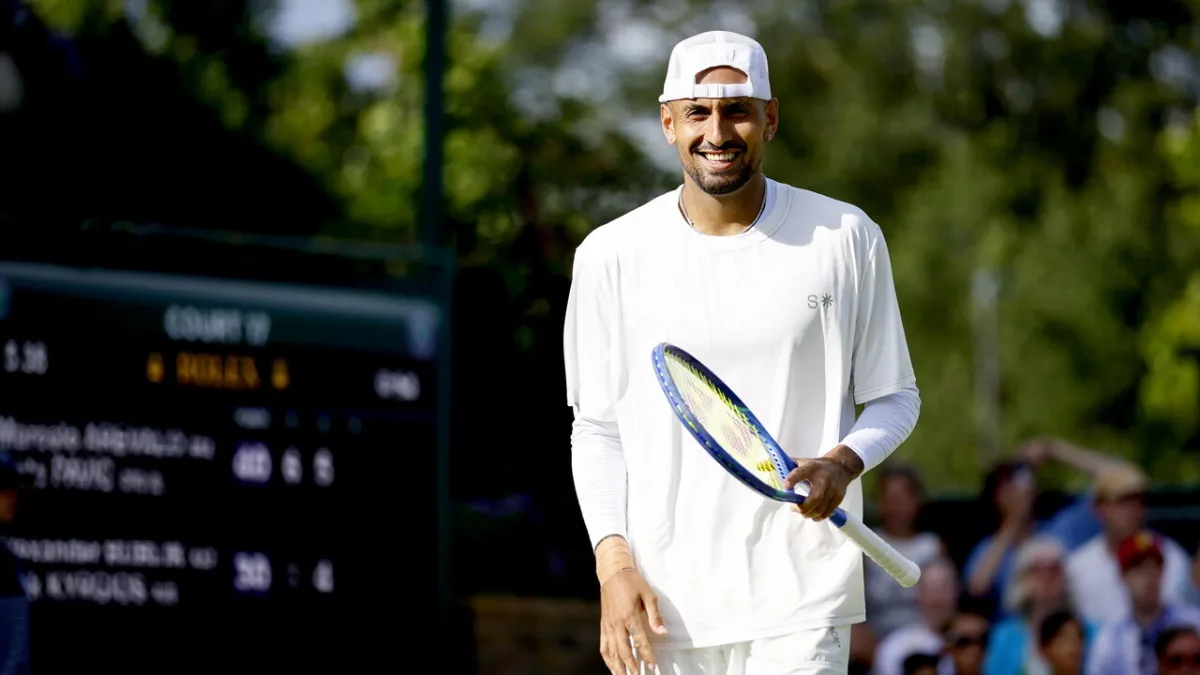
ROME – The world of professional tennis has been shaken by shocking news: controversial tennis player Nick Kyrgios has tested positive for cocaine. The International Tennis Integrity Agency (ITIA) swiftly imposed a suspension on Kyrgios after his test results on June 22, 2026, confirmed the presence of the substance. Kyrgios, previously known for his vocal criticism of Jannik Sinner, has admitted his fault as 'enorme errore' or a huge mistake and issued a public apology.
The ITIA's announcement underscores the organization's strict commitment to the integrity of tennis. The test conducted in mid-June determined the fate of one of the most colorful, yet tumultuous, figures in global tennis. This sanction is expected to have a significant impact on the Australian player's career.
In a statement released digitally, Kyrgios expressed his deep regret. This was a huge mistake, a mistake I deeply regret with all my heart. I apologize to my family, my team, my fans, and the entire tennis community whom I have let down, he stated. The statement marks a candid admission from an athlete who is no stranger to controversy.
This incident reignites debates about the mental pressure faced by professional athletes and the importance of mental health support within a competitive sports environment. While there is no justification for the use of prohibited substances, Kyrgios's personal background has often been a media focus.
The ITIA, as an independent body responsible for upholding the integrity of professional tennis, explicitly stated that it would not tolerate violations of anti-doping rules. They affirmed that every athlete, without exception, must adhere to the code of conduct and regulations in force to ensure fair and clean competition.
Kyrgios's case directly places him on a long list of top athletes whose careers have been jeopardized by doping scandals. His reputation, already frequently marred by on-court behavioral incidents, is now further compounded by a prohibited substance violation, a significant blow to his image.
Previously, Kyrgios was known for delivering harsh criticism towards fellow players, specifically targeting Jannik Sinner. Ironically, he now faces a far more serious and fundamental storm of accusations against his own integrity as an athlete.
This suspension means Kyrgios will miss several upcoming major tournaments, including Grand Slams. Losing the opportunity to compete on these significant stages will undoubtedly result in considerable financial and ranking setbacks for him.
The tennis community, from fellow players to coaches and commentators, has voiced varied responses. Some expressed deep disappointment, while others called for empathy and support for Kyrgios in his personal struggle. However, the majority agreed that rules must be enforced.
This scandal also has the potential to affect sponsors and brands associated with Kyrgios. Major companies tend to be very cautious in protecting their reputations, and doping cases often represent a red line that cannot be tolerated.
Anti-doping policies in professional sports are designed to protect the health of athletes and ensure fair competition. Violations of these policies, as committed by Kyrgios, not only harm the individual but also tarnish the image of the sport as a whole.
The ITIA has not yet provided full details regarding the final duration of the suspension or potential fines. However, precedents from other doping cases indicate that sanctions can range from several months to a lifetime ban, depending on the severity and other mitigating factors.
Moving forward, attention will focus on how Kyrgios will reflect on and address this situation. The path to returning to the top, or even just resuming competition, will be a significant challenge requiring discipline, fortitude, and a comprehensive image rehabilitation.
This case serves as a bitter reminder for all professional athletes that oversight and integrity are fundamental pillars in building a lasting and respected career. Even for a player of Kyrgios's caliber, no one is immune to the rules.
Editorial Insight: The doping incident involving Nick Kyrgios is not merely an individual scandal; it reflects the ongoing integrity challenges that plague professional sports. This case reaffirms that even athletes of extraordinary talent are vulnerable to pressures and temptations leading to ethical violations. It is crucial for governing bodies like the ITIA to maintain their firm stance, sending a clear message that fairness and athlete well-being are top priorities. Simultaneously, this also opens up a discussion on how sports systems can better support athletes off the court, particularly concerning mental health, without diminishing personal accountability for choices made.