 Demian Sahputra
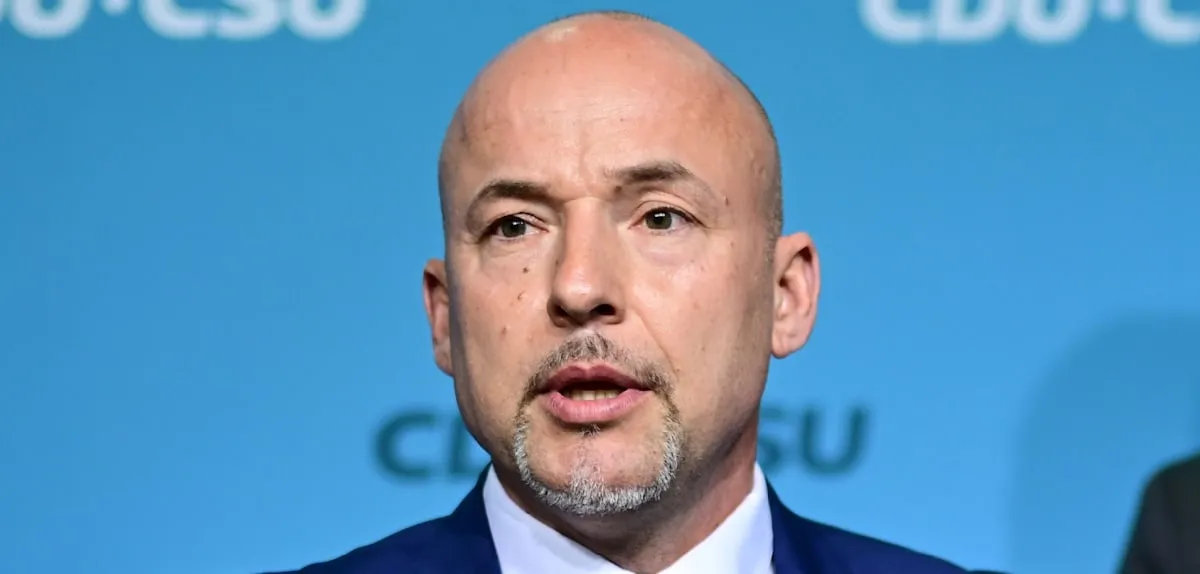
BERLIN — The Christian Social Union (CSU) party is urging Germany not to miss the opportunity to participate in rapidly advancing defense technology innovations. CSU politician Alexander Hoffmann explicitly demanded that Ukraine commit to sharing its advanced drone expertise as a crucial condition for continued military aid from Berlin. This request emerges amidst Germany's commitment to supporting Kyiv in the prolonged conflict.
Hoffmann stated that Germany would continue its assistance to Ukraine "under all circumstances", a declaration reaffirming Berlin's steadfast position. However, he added an expectation of "reciprocity" for the German Armed Forces (Bundeswehr). The primary focus of this reciprocity is the transfer of knowledge in the field of unmanned aerial vehicle (drone) technology, which has proven vital in modern warfare.
This insistence is more than just political rhetoric. The CSU sees significant strategic potential for the Bundeswehr to integrate cutting-edge drone technology that has been field-tested by the Ukrainian military. The war in Ukraine has served as a proving ground for many military innovations, especially in the development and application of reconnaissance and attack drones.
The agreement proposed by the CSU would oblige Kyiv to provide access to research, development, and operational data related to drones. This is not merely an acquisition of technology but a deep collaboration that would allow Germany to significantly enhance its own national defense capabilities.
In Hoffmann's view, Germany's participation in such innovations is a necessity. "Deutschland muss an diesen Innovationen teilhaben," a direct quote from his statement, underscores the urgency for Berlin not to fall behind in the global military technology race.
The German government under Chancellor Olaf Scholz has been one of the largest providers of aid to Ukraine, both financially and in military equipment. However, the idea of linking aid to technology transfer indicates a shift in perspective, from merely a provider to a mutually beneficial strategic partner.
Defense analysts view the CSU's proposal as a pragmatic step. The conflict in Ukraine has revealed significant gaps in the Bundeswehr's drone capabilities. By gaining access to Ukrainian technology and operational experience, Germany can accelerate the modernization of its forces.
This initiative also has the potential to spark broader discussions among NATO allies regarding how member states can share military innovations that have proven effective. The concept of sharing defense expertise is becoming increasingly relevant in the face of dynamic global geopolitical challenges.
Nevertheless, implementing such an agreement would certainly not be easy. Kyiv, currently heavily reliant on foreign aid, might welcome the proposal if the benefits are substantial. However, detailed negotiations would be required concerning the type of information to be shared and how the confidentiality of vital data can be maintained.
The Ukrainian government possesses invaluable expertise in drone warfare, thanks to their rapid adaptation to new tactics and technologies. Sharing this knowledge with Germany could benefit both parties: Ukraine secures continued military support, while Germany strengthens its defense capabilities and innovation.
Discussions would likely involve technology experts, international legal scholars, and military strategists from both countries. The ultimate goal is to create a robust framework for secure and effective technology exchange, without compromising the national security of either party.
This proposal, if approved, would set an important precedent in the bilateral relations between Germany and Ukraine. It would also strengthen Germany's position as a military power and technological innovator in Europe, while simultaneously supporting Ukraine in its struggle.
This strategic move by the CSU is expected to drive further discussions in the Bundestag and the German cabinet. The aim is to ensure that Germany's military aid investment not only helps an ally but also strengthens national defense long-term through the acquisition of vital expertise.
It also reflects a global trend where developed nations seek to adopt lessons from modern conflicts to update their military doctrines and equipment. Ukraine's experience with drones is currently one of the most valuable lessons available.
Moving forward, the decision on this agreement will be an important indicator of how Germany balances its commitment to international solidarity with its strategic national defense interests. The CSU's hope is to see Germany not only as a contributor but also a significant beneficiary of global military innovation dynamics.