 Robert Andrison
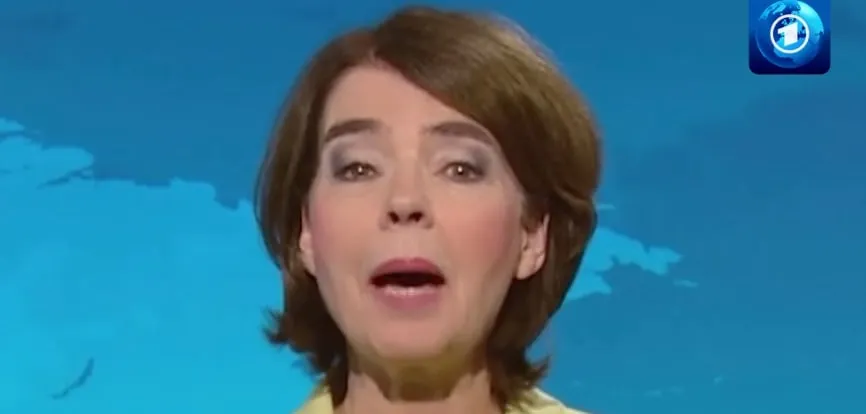
Germany — Prominent news presenter Susanne Daubner has once again captured public attention with her distinctive style while unveiling the list of candidates for the “Youth Word of the Year 2026”. This presentation, set against the backdrop of German media, highlights the strong dominance of digital trends such as TikTok, memes, and gaming slang in shaping the vocabulary of today's younger generation. Daubner, known for her expertise, has garnered widespread praise from various social media users for her authentic and entertaining approach.
The annual announcement of candidates always serves as an interesting barometer for gauging the dynamics of language among teenagers. Each year, Langenscheidt Glossary, a leading dictionary publisher in Germany, spearheads this selection, and the results often reflect pop culture and trending issues within Gen Z society.
2026 is no exception. The nomination list is filled with terms sourced from fast-paced social media platforms and online gaming communities. This phenomenon underscores how the digital world has become the primary laboratory for linguistic innovation and the spread of verbal expressions among younger millennials and Gen Z.
Susanne Daubner, who regularly presents headlines on the "Tagesschau" program, has built a reputation as a bridge between generations through her interactions with youth culture. Her ability to articulate and explain slang, often with a touch of humor and genuine understanding, makes her popular with both young and old audiences.
Daubner's role in conveying youth language issues is not new. Previously, her presentations on similar terms were also warmly received. This indicates a public longing for media figures who can navigate the complexities of digital culture without appearing condescending or losing their identity.
The dominance of TikTok trends, for instance, is evident in how certain phrases or expressions can quickly spread and become part of everyday conversation. From viral challenges to memorable audio clips, this platform serves as an incubator for new linguistic creations that are then adapted into the list of "Youth Word of the Year 2026" candidates.
Beyond TikTok, meme culture also makes a significant contribution. Memes, as a form of visual and textual communication, often give birth to brief but meaningful idioms that are quickly adopted by teenagers. The virality of memes allows these terms to permeate the collective consciousness of the younger generation.
The gaming environment also enriches youth language. Specific terms originating from online video games, strategies, or player interactions have now transcended the boundaries of the gamer community and found their place in general vocabulary. This demonstrates an increasingly integrated digital ecosystem.
Daubner's role in this context is crucial. She not only reads out the list but also provides clear context and sometimes interpretations, helping older audiences understand this linguistic evolution. This is an elegant journalistic approach, merging information with educational entertainment.
Many linguistic observers see this phenomenon as proof of language's adaptation to a changing social environment. Youth language is not just a fleeting trend but an indicator of shifting values and perspectives of future generations. It demonstrates limitless linguistic creativity and language's ability to constantly evolve.
Although some may consider it trivial, the selection of the "Youth Word of the Year" actually carries considerable cultural weight. It sparks discussions about generational identity, the role of social media in shaping communication, and how language continues to reflect the times. It also highlights how public figures, like Daubner, can remain relevant across various segments of society.
Praise for Daubner's performance also reflects the need for authentic representation in media. Amidst a proliferation of contrived content, Daubner's natural approach to interacting with popular cultural phenomena is considered refreshing. This contrasts with some instances where media attempts to 'connect' with Gen Z appear forced or lack substance, as sometimes occurs in the representation of public figures. For example, debates about representation and priorities in media often arise, as highlighted in the article "Frustrated German Synchronized Swimmers: Influencers Prioritized Over Champion Talent", which illustrates the difference in focus between talent and superficial popularity.
Thus, Susanne Daubner's presentation of the "Youth Word of the Year 2026" is more than just an announcement of a word list. It is a cultural event that reaffirms the power of language, the dominance of the digital era, and the ability of individuals to bridge the old and new worlds.