 Demian Sahputra
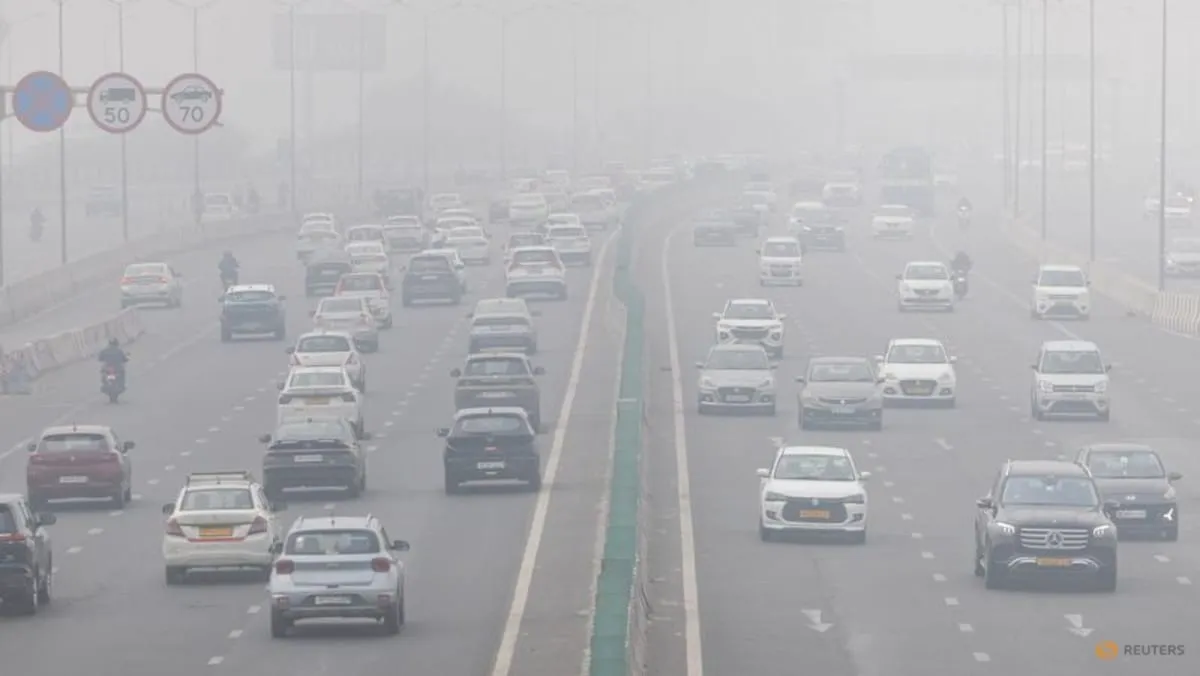
DELHI – The government of India's capital, Delhi, officially implemented a series of stringent restrictions starting Sunday, November 1, 2026, as an urgent measure to address the worsening air pollution crisis entering the winter season. These drastic steps include doubling vehicle parking charges and implementing a work-from-home (WFH) scheme for most sectors, aimed at significantly cutting traffic emissions, a primary contributor to the contamination.
The latest policy is a direct response to the surge in the air quality index (AQI), which has reached hazardous levels, a recurring phenomenon each year as temperatures drop and wind speeds slow down. The doubling of parking fees is expected to reduce the volume of private vehicles on the roads, encouraging the public to switch to public transport or ride-sharing.
Furthermore, the implementation of work-from-home policies in non-essential sectors aims to minimize daily commutes, collectively reducing the urban carbon footprint. Authorities hope these measures will create a cumulative impact in cleaning the city's air, which is renowned as one of the most polluted globally.
Delhi's air quality frequently reaches very unhealthy or hazardous categories, especially during the winter months. This phenomenon is exacerbated by various factors, ranging from vehicle emissions, stubble burning in surrounding areas, construction dust, to industrial activities. The combination of these factors creates a thick blanket of smog that endangers the health of millions of residents.
The health impacts of air pollution cannot be underestimated. The World Health Organization (WHO) has repeatedly warned about the increased risk of respiratory and heart diseases, and even lung cancer, due to long-term exposure to fine particulate matter (PM2.5) in Delhi's air. Children and the elderly are the most vulnerable groups.
The Delhi government had previously implemented various mitigation strategies, including sporadic odd-even vehicle schemes. However, the long-term effectiveness of such policies was often hampered by implementation challenges and fluctuating public compliance. High population growth and urbanization also add to the problem's complexity.
Every year, we witness a similar scenario in Delhi. This is a public health crisis that requires multi-sectoral intervention, stated Dr. Anjali Sharma, an environmental health expert from the Indian Institute of Environmental Research. While these new policies are important, long-term solutions require fundamental changes in the city's transport infrastructure and energy sources.
On the other hand, these restrictions also have potential economic implications. Businesses and service sectors that rely on physical mobility may face adaptation challenges due to WFH policies. However, the urgency of the pollution crisis is considered greater than potential short-term economic disruptions.
Public reaction to the new restrictions has been mixed. Most citizens understand the need for strong action, especially those who directly experience the adverse health effects of pollution. However, some community groups have raised concerns about practical impacts, particularly regarding higher parking costs.
The city government calls for active participation from all segments of society. Fighting pollution is a collective responsibility. Every individual must contribute by reducing their personal carbon footprint and complying with applicable regulations, asserted a spokesperson for Delhi's environmental authorities.
This issue of air quality in Delhi reminds us of various other global environmental challenges, such as the efforts of Japanese scientists in uncovering crucial solutions to the global nitrogen problem in 2026. Environmental challenges demand comprehensive and innovative approaches. For more information on global efforts to tackle environmental crises, you can read the related article: Japan's Breakthrough: Scientists Uncover Crucial Solution for Global Nitrogen Problem 2026.
The crisis experienced by Delhi, although specific, also reflects that pollution problems and environmental crises can affect anyone and in different forms, such as reports about Maritime Emergency: Oil Slick Contaminates Southern Singapore Waters 2026. This highlights the urgency of preventive and responsive actions across various parts of the world.
Editorial Insight: Delhi's decision to tighten emission restrictions signifies the critical severity of its air pollution crisis, which has become intolerable. While measures like doubled parking fees and WFH are reactive and short-term, they indicate that the government is taking more serious action. Going forward, long-term success will heavily depend on consistent policy implementation, investment in green infrastructure, the development of efficient public transportation, and sustained public education. Without a comprehensive strategy addressing the root causes, Delhi will remain trapped in this cycle of toxic winters.