 Chandra Wijayanto
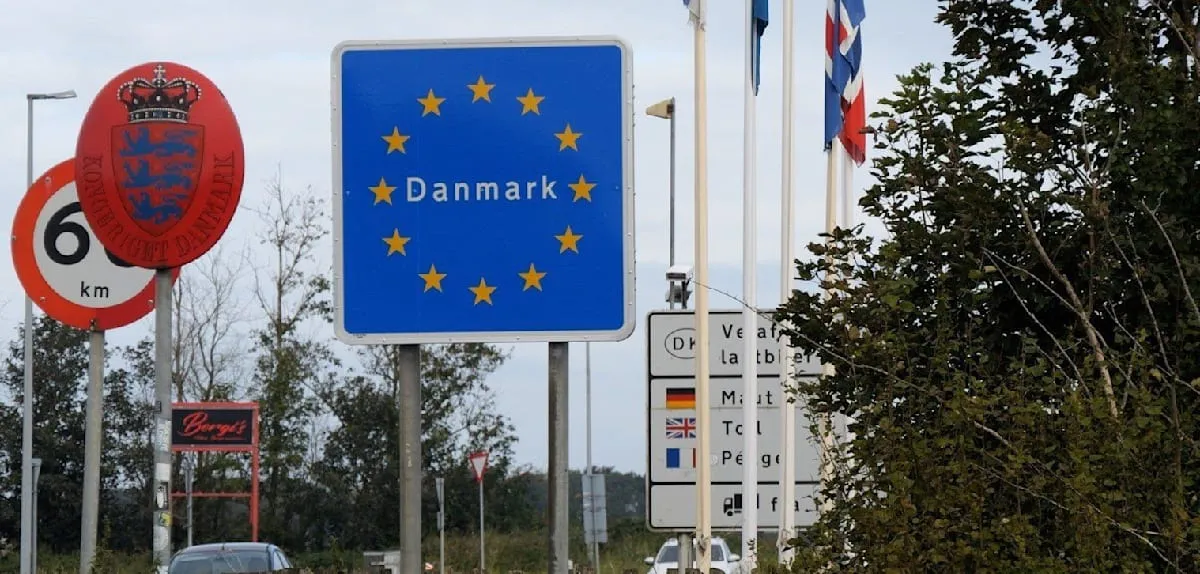
COPENHAGEN – Denmark has officially extended border controls along its frontier with Germany until May 2027. This decision follows a thorough evaluation indicating that security threats to the Nordic nation remain at an alarming level.
Denmark's Minister of Justice, Nicolai Wammen, underscored the urgency of this measure in an official statement. 'The serious threat to Denmark continues. This threat originates from terrorism, organized crime, and uncontrolled illegal migration,' Wammen stated, emphasizing that national security remains the government's top priority.
Denmark's re-imposition of border controls, essentially a temporary derogation from the principle of free movement within the Schengen Area, has become a norm in recent years. This policy was initially implemented in response to the large migration wave in 2015 and has been continuously renewed based on risk assessments.
The primary focus of this extension is to counter potential terrorist attacks. Danish intelligence consistently indicates the presence of extremist groups attempting to exploit border vulnerabilities to carry out actions in Europe, including in Denmark.
Furthermore, the government also highlights an increase in transnational criminal activities, such as drug trafficking, human smuggling, and organized theft. Strict border controls are expected to impede the mobility of these criminal networks.
Although this measure is understood by some European Union member states, especially those also facing similar security challenges, it undeniably burdens operations and restricts the mobility of citizens in the German-Danish border region.
For the economic sector, particularly logistics and transportation companies, prolonged controls mean increased travel times and operational costs. Despite the existence of priority lanes, inspection queues are often unavoidable, affecting the efficiency of regional supply chains.
The Danish government argues that this step is part of a comprehensive strategy to ensure stability and order. Border control is not only about checking documents but also about preventing the entry of illegal goods and individuals who could pose a danger.
This decision also reflects Denmark's domestic political dynamics, which are highly sensitive to immigration and security issues. Public support for strict policies often becomes a decisive factor for the continued mandate of the ruling party.
With this extension until May 2027, Denmark sends a strong signal to the international community that it will not compromise its national security, even if it means taking extraordinary measures within the European Union context.
Editorial Insight:
Denmark's extension of border controls with Germany until 2027 signifies a worrying trend of increased security unilateralism in Europe. While arguing serious threats, this move strains the foundations of Schengen and could trigger similar responses from other nations, fostering fragmentation amidst the critical need for European unity in facing common challenges.