 Dodi Irawan
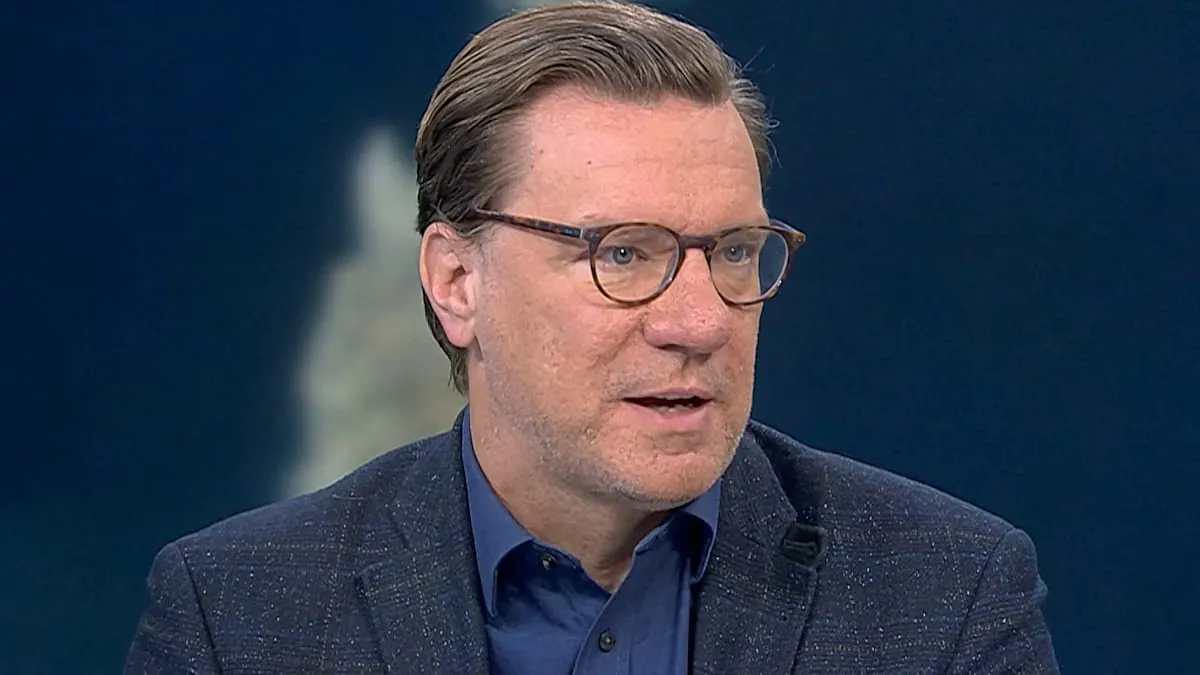
BRUSSELS – Prominent security expert, Nico Lange, has sharply criticized the weak negotiating position of European nations in the ongoing conflict in Ukraine. According to Lange, the absence of a cohesive and resolute stance from the continent has rendered them vulnerable, potentially allowing Russia to dictate the diplomatic agenda and render European demands futile. This situation, he emphasized, urgently necessitates a clarification of support for Ukraine before it is too late in 2026.
Lange, an experienced analyst in international security issues, shared his pointed views in a recent forum discussing the geopolitical dynamics of Eastern Europe. He highlighted that the European Union and its allies frequently appear directionless when confronting Moscow directly at the negotiating table. Without a strong position, he stated, Europe merely receives homework from the Russians, a metaphor illustrating their minimal influence and negotiating initiative.
This criticism emerges amidst escalating rhetoric and ongoing military maneuvers on the front lines. The protracted Ukraine conflict is now entering a crucial phase where international support is decisive. However, Lange argues, the fragmentation of policies among EU members creates vulnerabilities exploited by other parties to dominate the narrative and direction of negotiations.
Europe's weak diplomacy, according to Lange, is not merely a matter of perception but also rooted in a lack of internal consensus. EU member states possess diverse interests and priorities, which often hinder the formation of a solid and substantial common strategy. This, in turn, diminishes their collective bargaining power on the international stage.
The analyst continued, the absence of a clear perspective from Europe renders any demands they present at the negotiating table insubstantial. Support for Ukraine must be clarified, Lange urged, emphasizing that without a firm and coordinated framework, the aid provided may not be effective in achieving long-term strategic objectives.
The implications of this situation are vast, not only for Ukraine but also for Europe's credibility as a global geopolitical actor. If Europe fails to assert its authority, it could erode trust from other allies and foster new power dynamics less favorable to regional stability.
Nevertheless, several European leaders have repeatedly affirmed their commitment to Ukraine's sovereignty and the withdrawal of Russian forces. However, Lange argues that verbal commitments alone are insufficient if not accompanied by a coherent implementation strategy and the ability to negotiate from a balanced position of strength.
Lange's statement also sparked further discussion regarding the effectiveness of economic sanctions imposed on Russia. Some argue that these sanctions have not fully exerted the anticipated pressure, partly due to a lack of uniformity in enforcement and existing loopholes that can still be exploited.
Other experts also underscored the importance of consistent and sustained military support for Kyiv. Without adequate supplies of weaponry and ammunition, Ukraine's ability to defend itself will be jeopardized, which could ultimately worsen Europe's overall negotiating position.
The complex geopolitical landscape of 2026, with Donald Trump once again serving as President of the United States, adds another layer of challenge for Europe. The dynamic nature of US foreign policy demands that Europe become more self-reliant and assert a stronger voice on the world stage, especially in its own regional crises.
The Ukrainian government itself continues to call for faster and greater assistance from Western nations. President Volodymyr Zelenskyy has repeatedly emphasized that any delay in military and financial aid directly impacts their ability to defend their territory and people from aggression.
On the other hand, Moscow consistently rejects criticism of its actions, claiming that its military operations are a response to security threats and NATO expansion. This narrative further complicates diplomatic efforts and demands that Europe present stronger arguments and more concrete solutions.
Debates concerning the future of European security will continue to dominate the political agenda in Brussels and other European capitals. Policymakers are now faced with the difficult task of formulating a more effective approach that not only ends the conflict in Ukraine but also preserves the continent's long-term stability.
The involvement of organizations such as NATO is also under scrutiny. While NATO has strengthened its presence in Eastern Europe, coordination between military and diplomatic policies remains key to achieving desired outcomes. Better integration between defense efforts and peace initiatives is essential.
Ultimately, Europe's success in navigating the Ukraine crisis will largely depend on its ability to find unity amidst differences. Only with a unified voice and a clear strategy can Europe hope to sit at the negotiating table as an equal partner, rather than a party that merely receives homework.
Editorial Insight:
Nico Lange's critique highlights a bitter reality in European diplomacy: there is often a chasm between the desire to act and the capacity to act collectively. In 2026, as geopolitical conflicts intensify and global power dynamics shift, Europe does not have the luxury of appearing ambiguous. Failure to clarify its position and support for Ukraine not only endangers Kyiv but also weakens the very foundations of European security, opening the door to greater external interference and eroding the continent's strategic autonomy.