 Robert Andrison
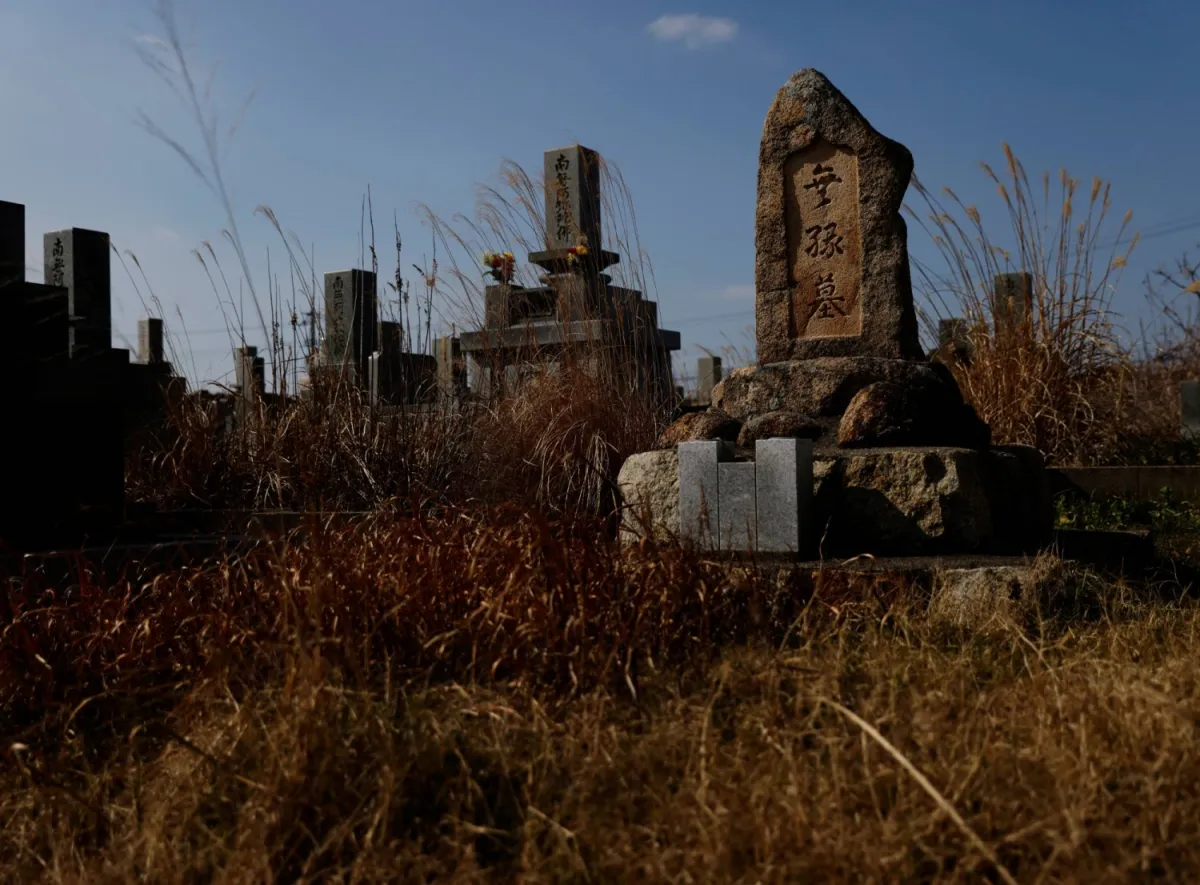
UBE – The governments of Japan and South Korea have reached a significant agreement to strengthen cooperation in the identification and repatriation of remains of victims from the Chosei coal mine incident. This tragic event occurred in 1942 beneath the sea in Ube, Yamaguchi Prefecture, Japan, claiming the lives of many workers, including a substantial number of laborers from the Korean Peninsula. This bilateral agreement, finalized in 2026, marks a new chapter in the historical reconciliation between the two nations.
This initiative comes as a response to prolonged calls from victims' families and humanitarian activists in South Korea seeking clarity on the fate of their relatives. For decades, the remains buried in the ruins of the Chosei mine have symbolized unresolved tensions and historical wounds between Tokyo and Seoul.
The Chosei coal mine, operating deep beneath the sea, suffered a severe flooding disaster on June 23, 1942. Seawater suddenly breached the tunnels, tragically trapping and killing hundreds of miners. While a majority of the victims were Japanese citizens, historical records indicate that many forced laborers from the Korean Peninsula were also among the casualties.
This cooperation agreement encompasses the exchange of historical and technical information, as well as joint efforts in excavation and forensic identification. Both parties are committed to dedicating their best resources to ensure that the identification process is transparent and accurate.
This diplomatic step is not merely a humanitarian act but also a symbol of acknowledging past suffering. For South Korea, the discovery and repatriation of these remains are an integral part of restoring the honor of ancestors who were compelled to work under extreme conditions.
The South Korean delegation, led by a senior official from the Ministry of Foreign Affairs, expressed deep appreciation for Japan's willingness to collaborate. This is a significant step forward in healing historical wounds. We hope that through this cooperation, we can provide closure for families who have waited for so long, the official statement read.
Conversely, the Japanese government emphasized the importance of building stronger bilateral relations based on understanding and respect for shared history. This agreement is seen as a sincere effort to confront the past and look towards a more constructive future.
The process of identifying the remains is expected to take a considerable amount of time, given the underwater conditions and forensic complexities. However, the commitment from both countries offers new hope to the surviving families of the victims.
The Chosei incident is one of many cases where workers from the Korean Peninsula were exploited during Japan's colonial era. The disclosure and handling of this case are expected to set a positive precedent for resolving similar historical issues in the future.
Both countries plan to establish a joint working team comprising historians, archaeologists, and forensic specialists. This team will be tasked with developing the most effective excavation and identification methodologies, while maintaining cultural and historical sensitivity.
Editorial Insight: The cooperation agreement between Japan and South Korea regarding the 1942 Chosei mine remains is a crucial moment that transcends mere diplomacy. It reflects a mature political will from both nations to proactively address a complex historical legacy. While technical and emotional challenges will be substantial, this step has the potential to open doors to deeper reconciliation, not only in a bilateral context but also as an example for resolving historical conflicts on a global scale. The success of this initiative will largely depend on consistent commitment and sustained transparency.