 Debby Wijaya
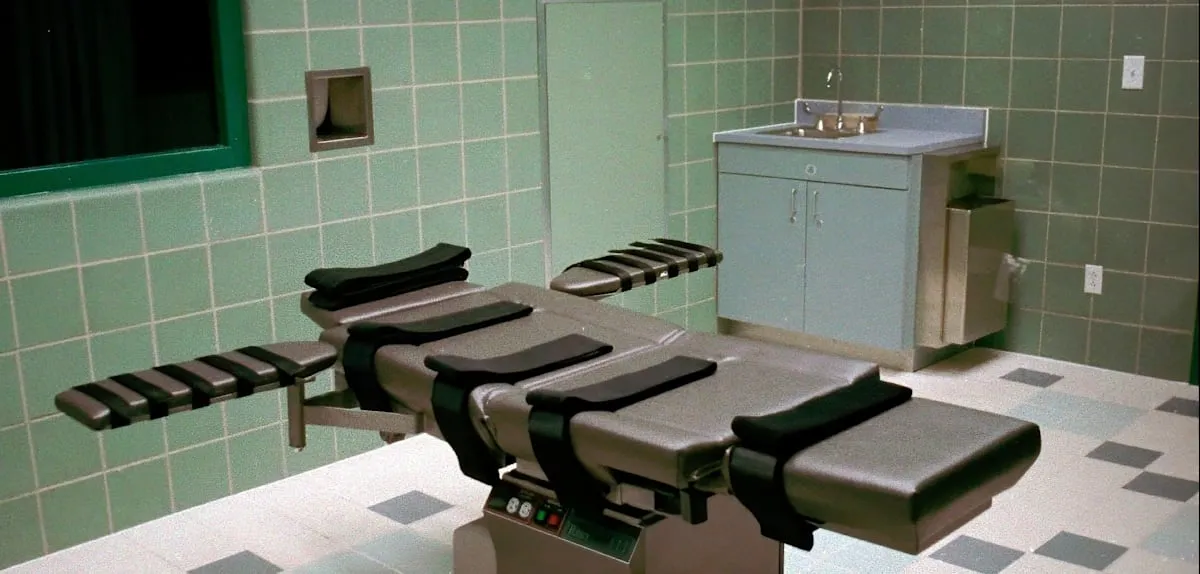
WASHINGTON – Public support for capital punishment in the United States has reached its lowest point in over five decades, following the release of a new Gallup poll. This figure, the lowest since 1971, emerged shortly after a botched execution incident in Tennessee, reigniting intense debate over the ethics and effectiveness of the death penalty practice in the country in 2026.
The Gallup survey indicates that only a minority of Americans now support the death penalty as a form of punishment for murder, marking a significant shift in public opinion that has been ongoing for decades. This decline reflects an increasingly critical view of the criminal justice system among the populace.
The last time public support was this low was in 1971, a period when the U.S. Supreme Court was reviewing the constitutionality of the death penalty, leading to a national moratorium in 1972 before its eventual reinstatement in 1976. This historical context lends significant weight to the current survey findings.
The sharp decline in support cannot be separated from the tragic event of a failed execution in Tennessee. The incident, whose details were not fully disclosed to the public, triggered a wave of concern and criticism regarding the execution methods used, as well as the potential for unnecessary suffering for the condemned.
Problematic execution cases, coupled with increasing awareness of potential judicial errors and the risk of sentencing innocent people to death, have strengthened arguments made by opponents. They contend that an imperfect system should not possess absolute power over a person's life and death.
The debate surrounding capital punishment has been a divisive issue in the United States for centuries, involving moral, ethical, religious, and legal arguments. Now, with the latest Gallup data, the public discourse has intensified, highlighting the complexity of this issue in modern society in 2026.
Although President Donald Trump is known for his tough stance on crime and often voices support for strong law enforcement, these survey results could create new pressure on judicial policies at both federal and state levels. This issue has the potential to become a key point in the political agenda moving forward.
This trend of declining death penalty support aligns with a global tendency where more and more countries have abolished or imposed moratoriums on the practice. The United States increasingly appears as an anomaly among developed nations that still retain capital punishment.
Human rights activists and justice reform groups are calling for a comprehensive re-evaluation of the capital punishment system. They urge reconsideration of more humane and effective alternative punishments that can reduce crime rates without sacrificing fundamental principles of justice.
The future of the death penalty in the United States now stands at a crossroads. With public opinion shifting dramatically, policymakers and the justice system are faced with a difficult choice: whether to adhere to tradition or embrace reforms that reflect contemporary humanitarian values.
Editorial Insight: The significant decline in public support for the death penalty is a strong indication of a shifting moral and ethical paradigm within American society. The botched execution incident is not merely a technical failure but also a symbol of the fragility of arguments for absolute justice. This debate is not just about legality; it is also about the nation's identity and its commitment to human rights in the 21st century. This could be a turning point for more humanistic criminal law reform.