 Gabriella
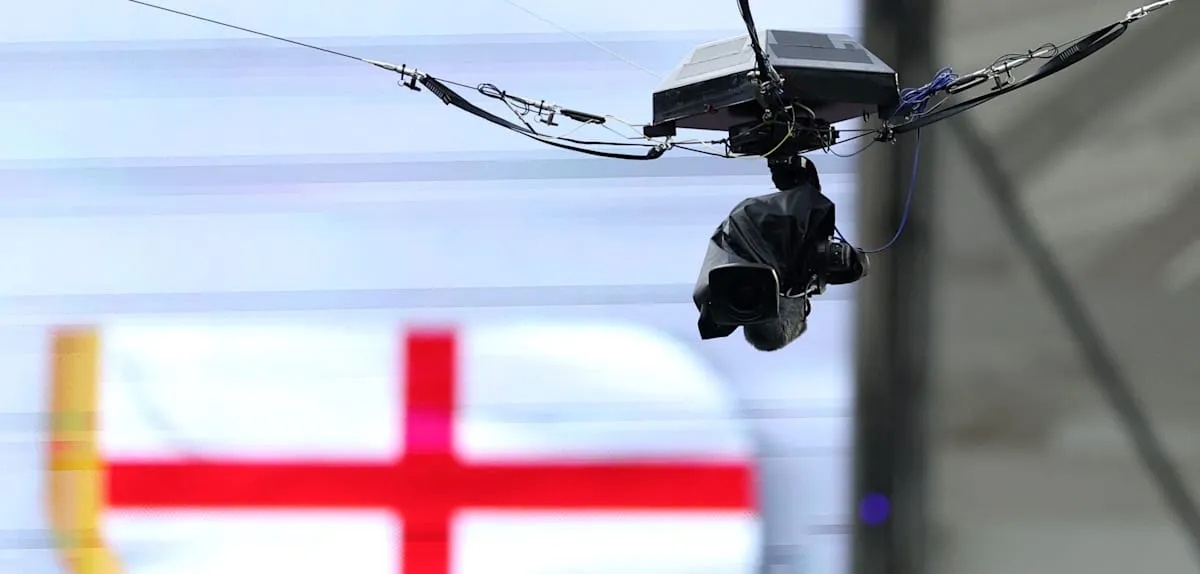
Doha – The grand spectacle of the 2026 World Cup in Qatar is now shrouded in controversy following England's equalizer against Norway, which is strongly suspected of having been compromised by an unexpected technological intervention. This crucial incident, occurring moments before the final whistle of the quarter-final match, has ignited intense debate across the football world, particularly after the circulation of visual evidence suggesting the ball made contact with a Spidercam—an aerial camera hovering above the pitch—before finding the net. FIFA, as the global governing body of football, promptly responded to the uproar with an official statement, raising significant questions about the validity of the match result.
The quarter-final match between England and Norway at the 2026 World Cup was played with high intensity, featuring an exchange of attacks from both sides. With the score tied at 1-1 and time almost expired, a dramatic goal from Jude Bellingham managed to level the score, igniting euphoria among the English camp. This goal was crucial for England's journey to the semifinals, but its legitimacy is now under scrutiny.
The main focus lies on the moments seconds before the goal. From television camera angles and footage that subsequently went viral on social media, it became clear that the ball, soaring through the air after a long pass, accidentally struck a cable or the body of the Spidercam. Speculation arose that this contact could have subtly altered the ball's direction and speed, potentially giving an unfair advantage to the English attacker.
Several football pundits and former international referees immediately offered their perspectives. They highlighted articles in the Laws of the Game governing third-party interference or foreign objects. Although there are no specific rules explicitly addressing Spidercam contact, the general principle states that play should be stopped and restarted if an external object affects the ball's trajectory.
Responding to the widespread protests and speculation, the International Federation of Association Football (FIFA) wasted no time in issuing an official statement. In its release, FIFA stated that it had conducted a thorough review of the incident using various video recordings and match data. The statement emphasized that the referee's decision on the field, which validated the goal, was final based on existing guidelines.
“After reviewing all available camera angles and consulting with the VAR team, we confirm that there is no conclusive evidence to suggest a significant change in the ball's trajectory due to contact with the Spidercam that would invalidate the goal,” a FIFA spokesperson said in a written statement. They also added that the Spidercam technology had met established safety and operational standards.
Norway national team coach, Stale Solbakken, implicitly voiced his disappointment, although he refrained from commenting extensively on the incident. “We played with heart, and the final result is part of the game,” Solbakken said, but his facial expression showed dissatisfaction. Meanwhile, the English camp chose to focus on the brilliance of the equalizer that propelled them forward.
On social media platforms, the debate reached its peak. Hashtags #SpidercamGate and #WorldCupControversy2026 became trending topics, with millions of tweets expressing pro and contra opinions. Many fans felt that the integrity of the game had been compromised, while others considered the incident part of football's inherent unpredictability. This is not the first time an English goal at the 2026 World Cup has been indicated to touch a camera or sparked similar controversy.
This controversy reminds the public of several similar incidents in the past, though not always involving modern technology like Spidercam. It reignites discussions about the limits of technology's use in football and how to address situations where technology itself becomes part of the problem.
Despite FIFA's ruling, a shadow of doubt continues to hang over the result of the England-Norway match. This Spidercam incident has the potential to become one of the most highlighted moments of the 2026 World Cup, leaving questions about fairness and how rules can adapt to the ever-evolving technological innovations in sports.