 Gabriella
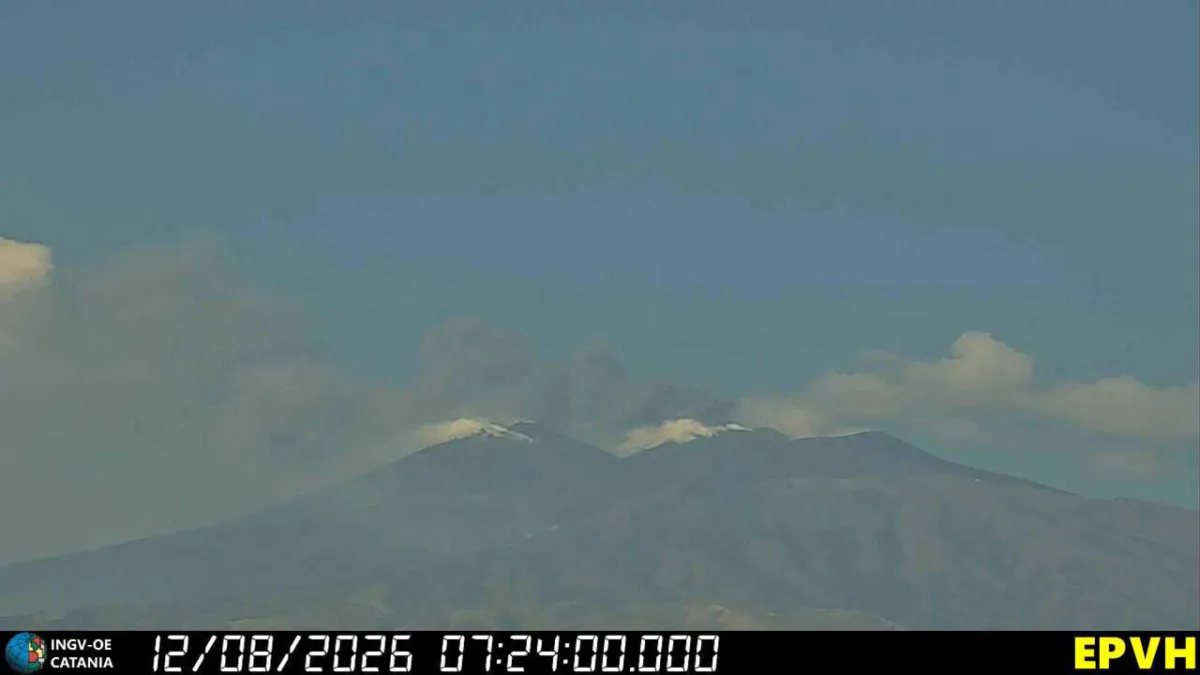
CATANIA – Mount Etna, one of the world's most active volcanoes, has once again spewed volcanic ash, forcing the closure of Catania-Fontanarossa International Airport in Sicily, Italy, until 6:00 PM local time. Thousands of passengers have experienced flight delays or outright cancellations since early morning due to the thick layer of ash blanketing runways and surrounding areas. This incident reaffirms the recurring natural challenges faced by the Mediterranean region.
Italian civil aviation authorities promptly issued a NOTAM (Notice to Airmen) announcing the operational closure at Catania to ensure flight safety. This decision was made after visual monitoring indicated volcanic ash concentrations hazardous to jet engines, reducing visibility, and potentially damaging navigation instruments.
Not only Catania, but Comiso Airport, located about 100 kilometers from Etna, also felt the impact. Flight operations at Comiso were temporarily suspended until 10:00 AM local time, though they have now resumed with certain restrictions. Ash contamination at Comiso was reportedly less severe than in Catania, allowing for an earlier reopening after emergency cleaning procedures.
Mount Etna, towering over eastern Sicily, consistently exhibits volcanic activity. This eruption is characterized by significant ash emissions, although there have been no reports of lava flows directly threatening populated areas. This phenomenon has become an integral part of the landscape and the lives of the local community.
Flight delays and cancellations directly affect thousands of tourists and local residents traveling to or from Sicily. Long queues were observed at airline counters, with many passengers seeking information or rescheduling their travel plans. This situation has caused substantial inconvenience.
We've been stuck here since dawn, said a German tourist planning to return to Munich, There's no definite information on when we can fly. It's incredibly frustrating. Many others shared similar experiences, highlighting the vulnerability of air transport to natural phenomena.
Airport management at Catania has activated emergency procedures. Cleaning teams are working diligently using specialized vehicles to clear runways of ash deposits. This process is time-consuming and resource-intensive, as volcanic ash has abrasive properties that can damage equipment.
The economic impact of the airport closure also cannot be overlooked. Sicily's tourism sector, which relies heavily on air connectivity, is likely to feel the effects. Travel cancellations and flight uncertainty could reduce tourist arrivals in the short term, impacting local businesses' revenues.
Although Etna's activity is frequent, each eruption requires a rapid and coordinated response from various parties. Volcanologists from the National Institute of Geophysics and Volcanology (INGV) continuously monitor Etna intensively, providing real-time data to aviation authorities for informed decision-making.
History records that Etna has varied eruption cycles, from minor ash bursts to large lava flows. The people of Sicily have learned to coexist with this volcano, yet its impact on modern infrastructure, particularly aviation, remains a primary concern.
Editorial Insight:
Mount Etna's repeated eruptions paralyzing Catania Airport highlight the urgency for innovation in mitigating the impact of volcanic ash on air transport. While emergency measures are optimal, the development of more advanced ash detection technologies or more adaptive airspace management strategies could reduce economic losses and passenger inconvenience in the future. This event also underscores the importance of diversifying transportation routes and contingency planning for tourism destinations vulnerable to natural disasters.