 Angela Stefani
BRUSSELS — The ambitious trade agreement between the European Union (EU) and the Mercosur bloc (Brazil, Argentina, Paraguay, Uruguay) has once again come under intense scrutiny in mid-2026, facing political turmoil and environmental concerns that threaten its implementation. Designed to create the world's largest free trade area, the pact is now embroiled in fierce debate over sustainability standards and its impact on the agricultural sectors across both continents, raising questions about the future of inter-regional economic cooperation.
Discussions on the ratification of this agreement, which has been negotiated for two decades, are becoming increasingly complex. Following significant delays due to concerns over Amazon deforestation and production standards in South America, leaders of EU member states and Mercosur are striving to find a middle ground acceptable to all parties.
Economic observers view this agreement as a potential game-changer that could boost GDP by trillions of dollars and open market access for a variety of products, from agricultural commodities to advanced technology. However, strong resistance from agricultural lobbies in France, Ireland, and several other European countries remains a major obstacle.
\"The EU-Mercosur agreement is not just a trade matter; it is a reflection of our commitment to sustainability and fairness,\" stated EU Trade Commissioner Margrethe Vestager at a press conference in Brussels in early June 2026. \"We will not ratify an agreement that sacrifices environmental standards or the welfare of our farmers.\" This statement reiterates the European bloc's firm position.
From the Mercosur side, Latin American countries have voiced disappointment over the delays. They argue that the agreement is crucial for boosting economic growth and diversifying exports, reducing dependence on a single market. Brazilian President Luiz Inácio Lula da Silva has repeatedly called for accelerated ratification, highlighting the significant potential benefits for developing countries in the region.
Beyond environmental issues, global geopolitical challenges also color the debate. With increasing international trade tensions and warnings about \"winds of war\" once again threatening the world, the need for stable economic alliances becomes even more urgent.
Trade policy experts from the World Economic Forum (WEF) in Davos highlighted that without this agreement, both the EU and Mercosur risk losing competitiveness in the global market. The Asia-Pacific market, with its rapid growth, is increasingly attracting investment and trade agreements, which could shift focus away from traditional transatlantic relations.
One crucial point still being debated is the additional instrument proposed by the EU to ensure compliance with environmental and human rights standards. Some Mercosur countries feel these provisions are too burdensome and could be used as a disguised tool for protectionism.
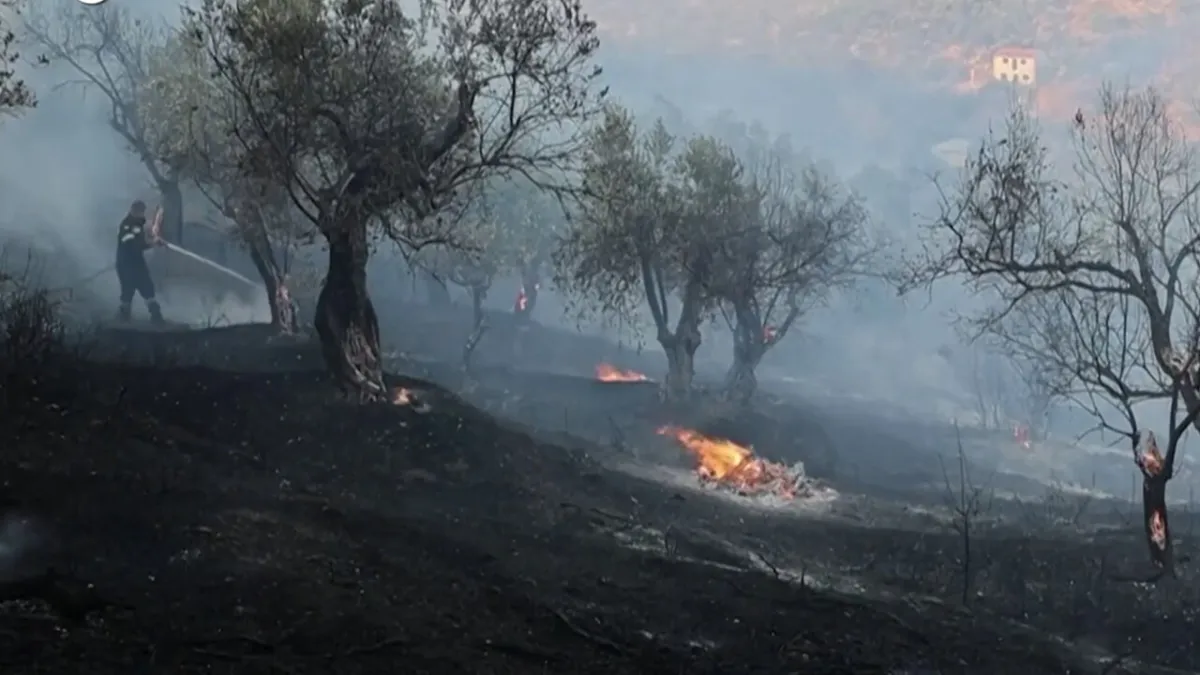
Conversely, environmental groups in Europe and South America argue that without binding clauses and robust enforcement mechanisms, the agreement would exacerbate environmental problems such as deforestation and unsustainable agricultural practices. They demand greater transparency and stricter accountability.
A ministerial meeting between EU and Mercosur representatives is scheduled for the end of the third quarter of 2026, with hopes of overcoming the current deadlock. Delegates are expected to discuss the final details of a joint declaration aimed at alleviating concerns regarding environmental protection and labor rights.
The future of the EU-Mercosur agreement remains a significant question mark. Its success depends not only on the ability of diplomats to bridge differences but also on the political will of leaders to balance economic ambitions with commitments to social and environmental values that are increasingly important on the global agenda.
For the European Union, ratifying this agreement would send a strong signal about its commitment to multilateral trade, despite facing internal criticism. For Mercosur, it represents a golden opportunity to integrate their economies more deeply into the global trading system, offering access to a wealthy and diverse market.
However, failure to reach a consensus could have significant repercussions. It could potentially deepen trade tensions, weaken the position of both blocs in global negotiations, and send a negative message about the capacity for inter-regional cooperation in addressing 21st-century challenges.",
"excerpt": "Perjanjian dagang ambisius UE-Mercosur pada 2026 menghadapi gejolak politik dan lingkungan, mempertanyakan masa depan kerja sama ekonomi global.