 Robert Andrison
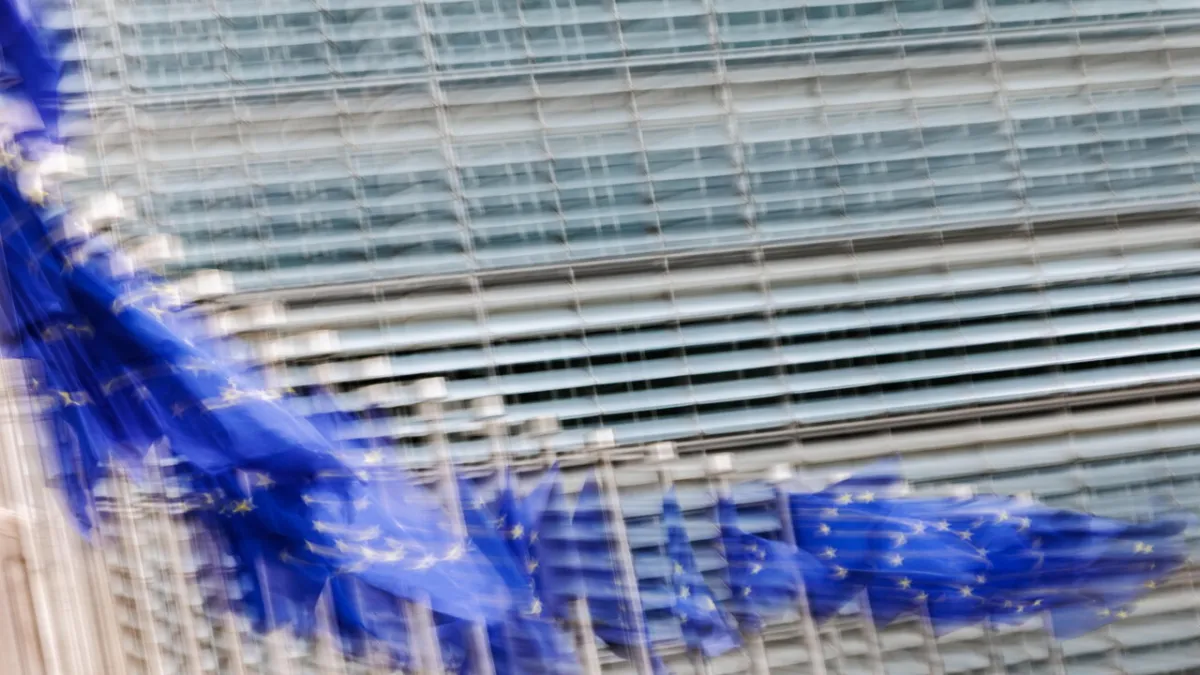
BRUSSELS – The European Union has taken a drastic step by imposing a comprehensive ban on applications capable of generating 'digital nudity' or nudification images. This policy will take effect across all member states on December 2, 2026. A spokesperson for the European Commission confirmed full readiness to implement the norm from day one, underscoring the bloc's commitment to cybersecurity.
This move follows growing global concerns about the misuse of artificial intelligence (AI) technology to manipulate digital images, particularly in creating explicit content without the subject's consent. Nudification apps, which often utilize sophisticated algorithms to remove clothing from photos, have drawn a wave of criticism from various parties, ranging from privacy activists to child protection agencies.
The new regulation is expected to provide a strong legal framework to curb the spread of digital content that damages reputations and causes psychological trauma. The use of such applications often targets individuals without consent, opening avenues for cyber-harassment and digital extortion.
A European Commission spokesperson, who wished to remain anonymous, stated, These applications will have no place in Europe. We are ready to apply this norm from the first day it comes into force. The security and privacy of European citizens are our top priorities. This statement affirms the EU's determination to be a pioneer in AI ethics regulation.
This decision also reflects the European Union's efforts to strengthen its digital regulatory framework, which has proven proactive with initiatives like the General Data Protection Regulation (GDPR) and the Digital Markets Act (DMA). The ban on nudification apps becomes an integral part of a broader strategy to create a safer and more responsible digital ecosystem.
App developers across Europe and those operating in the EU market now face a strict deadline to comply with this regulation. They are obliged to withdraw such applications from distribution platforms or make fundamental modifications to avoid violating the applicable provisions. Failure to comply will result in severe penalties, including substantial fines and operational bans.
The issue of AI ethics has been a major focus in recent years, with increasingly sophisticated deepfake technology posing serious threats to individuals and society. This ban is a concrete response to these challenges, underscoring the urgency of establishing moral and legal boundaries in the development and application of AI.
Legal experts and digital rights activists have welcomed this step by the European Union, although some have also expressed concerns regarding the specific definition of nudification applications and the potential for biased interpretations. However, the European Commission assures that clear guidelines will be provided to ensure fair and effective implementation.
The European Commission's assurance also includes strict oversight mechanisms. National regulators will collaborate with the European Union Agency for Cybersecurity (ENISA) to monitor compliance and address infringements. A primary focus will be on online service providers that facilitate the distribution of such applications, demanding them to be responsible for the content available on their platforms.
The impact of this ban is predicted not only to be felt in Europe but also potentially to trigger a wave of similar regulations in other jurisdictions. The European Union often sets global standards in establishing digital legal frameworks, and this decision could be an important precedent for countries grappling with the ethical challenges of technology.
Governments of EU member states have been instructed to immediately socialize this new regulation to the public and the technology industry. Awareness campaigns will also be intensified to educate the public about the risks associated with such applications and the importance of reporting misuse.
This measure demonstrates the European Union's seriousness in addressing the negative impacts of the digital revolution. By enacting this ban, the EU hopes to create a safer online environment, especially for young people who are vulnerable to exploitation and digital manipulation.
Editorial Insight:
The European Union's decision to ban nudification apps is a firm declaration that technological innovation must go hand-in-hand with ethics and human rights protection. This is not merely a technical regulation but a moral statement about the type of digital society Europe aims to build. However, the real challenge will lie in effective enforcement and the ability to adapt to continuously evolving new technologies, so that this regulation does not become obsolete over time.