 Edward DP Situmorang
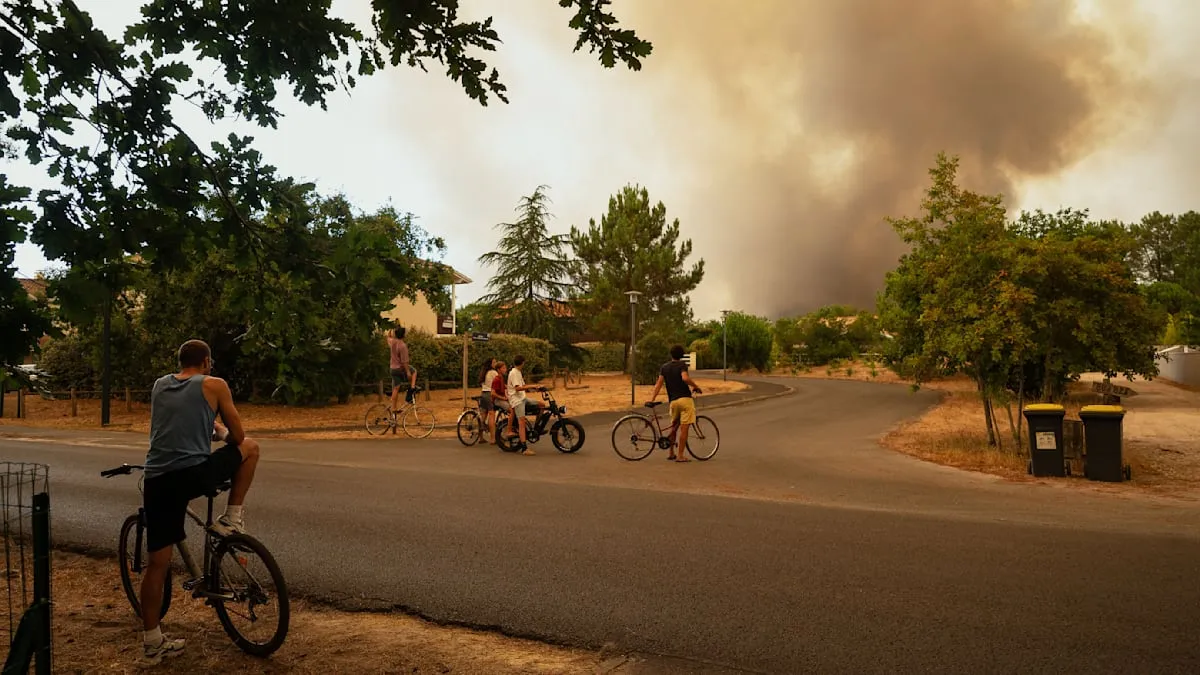
PARIS—A massive wave of wildfires has once again swept across several regions in southern Europe, triggering emergency evacuations for thousands of residents and devastating tens of thousands of hectares of land in France, Spain, and Italy by mid-2026. Emergency services are battling rapidly spreading flames, while local authorities urge high vigilance.
Latest data indicates that the inferno, fueled by a combination of extreme temperatures and strong winds, has incinerated at least 20,000 hectares of forests and scrubland in France alone. This situation has forced thousands of residents to abandon their homes, seeking refuge in emergency evacuation centers prepared by the government.
One affected French resident, Antoine Dubois from the Gironde region, recounted a terrifying experience as the fire approached. "We were having a quiet dinner, then suddenly we saw flames rising high in the distance," he said, his voice trembling with trauma. His testimony illustrates how quickly this disaster threatened.
MADRID—A similar situation is unfolding in Spain, where hundreds of fire outbreaks are scattered across various provinces. Catalonia and Andalusia are among the most severely affected areas. The Spanish government, under the leadership of Prime Minister Pedro Sanchez in 2026, has deployed additional military units to assist with firefighting efforts, given the escalating scale of the disaster.
ROME—Italy is also battling fiercely against the raging inferno, particularly in the regions of Sardinia and Sicily. Firefighters are working tirelessly to control flames threatening settlements and natural heritage. Italy's Environment Minister, Giovanni Rossi, stated that "this is a serious ecological crisis demanding a coordinated response from across Europe."
Climate and meteorological experts link the intensity of this year's wildfires to global climate change. Rising temperatures and erratic rainfall patterns create extremely dry conditions highly susceptible to fires, transforming the Mediterranean landscape into a giant "tinderbox."
International response efforts are emerging, with neighboring countries offering aid in the form of firefighting aircraft and personnel. The European Union has also activated its Civil Protection Mechanism to coordinate emergency assistance, ensuring adequate resource supply for affected nations.
The economic impact of these fires is projected to be immense. The tourism sector, a backbone of the economy in some affected regions, faces a severe blow. Fertile agricultural lands and livestock farms have also not escaped destruction, causing significant financial losses for farmers and ranchers.
Damage to forest ecosystems and biodiversity is an equally alarming consequence. Tens of thousands of flora and fauna species are threatened with extinction or habitat loss. The post-fire rehabilitation process will take years, even decades, demanding substantial investment in reforestation and conservation.
Air quality in major cities far from the fire sites has also deteriorated due to thick smoke, posing health risks to residents, especially children and the elderly. Health authorities have issued warnings and advised the use of protective masks and limiting outdoor activities.
This tragedy reiterates the importance of mitigation and preparedness for natural disasters amid increasingly extreme climate change. A related article, Europe Ablaze: Wildfires Hit Saarland, Spain Declares Emergency, from previous years discussed similar patterns and the importance of inter-country coordination.
With fires still raging on multiple fronts, Europe faces a formidable challenge. Regional solidarity and sustainable long-term strategies are key to overcoming this crisis and preventing the recurrence of similar disasters in the future.