 Stefani Rindus
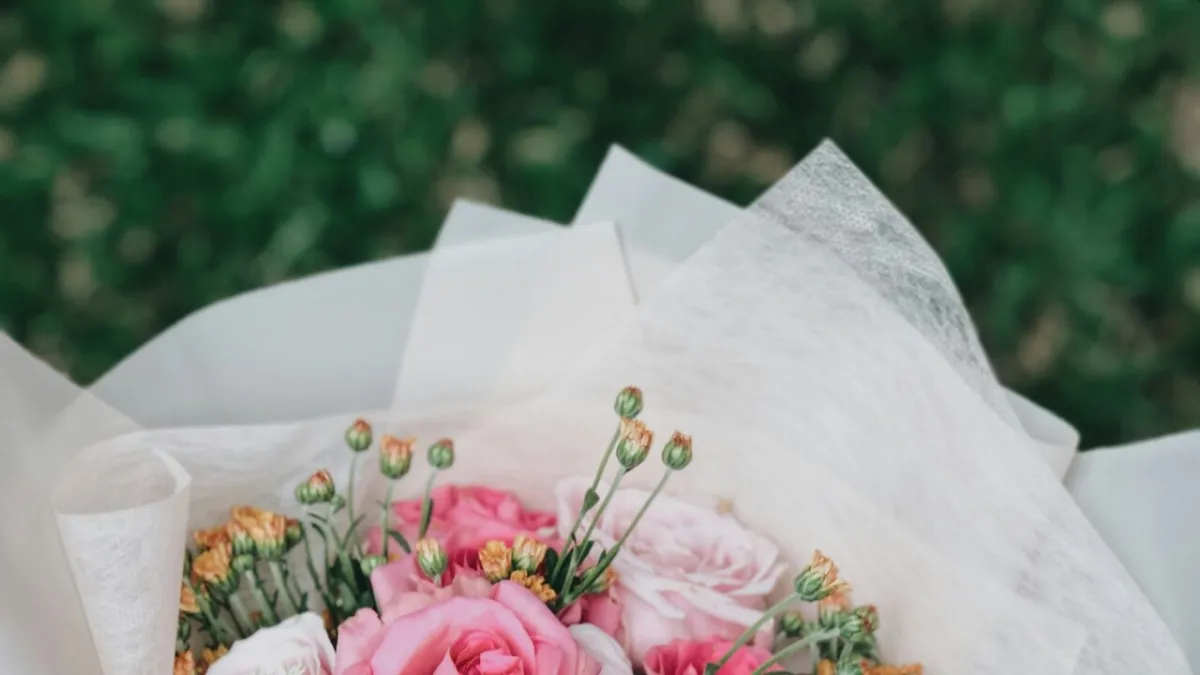
JAKARTA – Cutting-edge innovation is currently revolutionizing the global perfume industry in 2026. Experts have successfully reconstructed the aromas of extinct flowers using hi-tech advancements, opening new dimensions in fragrance creation and enriching perfumers' palettes with essences previously relegated to legend. This event marks a significant revolution in the world of scents, fundamentally altering how we understand and create fragrances.
This breakthrough is made possible by the convergence of biotechnology, DNA analysis, and sophisticated headspace technology. Scientists can now extract genetic traces from long-lost botanical specimens, then molecularly reconstruct them to reproduce authentic aroma profiles. This process demands high precision and a deep understanding of organic chemistry and historical botanical data.
This achievement is more than mere scientific curiosity; its impact is directly felt by perfumers. They now have access to previously unimaginable raw materials, enabling the creation of more complex, unique, and historically rich fragrances. This transforms the creative landscape, pushing the boundaries of olfactory art.
One of the primary motivations behind this research is preservation. As global biodiversity diminishes, many flower species have become extinct, taking their distinct aromas with them. By reviving these essences, scientists and perfumers are contributing to the preservation of valuable natural and sensory heritage. This also fosters a renewed appreciation for endangered biodiversity.
Beyond extinct flowers, this technology also opens doors for the development of other hi-tech 'raw materials'. Bio-engineers can now modify plants or microorganisms to produce specific aroma molecules that are more sustainable or even non-existent in nature. This offers ethical and ecological alternatives to ingredients that are difficult to harvest or are endangered.
In the consumer market, the trend for personalized fragrances is growing stronger. Reconstructed extinct flower aromas have the potential to become exclusive luxury products, appealing to consumers seeking uniqueness and a story behind each spray. A premium price naturally accompanies such innovation, forming a new market segment oriented towards luxury and exclusivity.
However, this breakthrough also sparks ethical discussions. Questions arise regarding authenticity and the limits of genetic manipulation in creating aromas. Purists in the perfume industry argue that true beauty lies in natural extraction, while proponents of technology view it as an inevitable evolution, a bridge between nature and science.
Experts predict that by 2026, the collaboration between scientists, botanists, and perfumers will become even closer. Innovation hubs in Europe, America, and Asia are competing to further develop this technology, not only for flowers but also for fruits or spices that have disappeared from circulation.
Naturally, significant challenges must be addressed. Mass production scaling, high research and development costs, and patent regulations for reconstructed aroma molecules present serious hurdles. Furthermore, public education regarding the validity and safety of these new ingredients is crucial for broader adoption.
This innovation aligns with other advancements in aroma technology, such as the use of artificial intelligence to formulate perfumes or the development of more accurate sensory devices. All aim to redefine the boundaries of an industry rooted in thousands of years of history. For more information on similar revolutions, you can read our article on Perfume Revolution 2026: Advanced Technology Revives Extinct Flower Aromas.
Editorial Insight: The breakthrough in reconstructing extinct flower aromas is more than just a technological advancement; it reflects humanity's ambition to transcend natural limitations. It ushers in a new era for the perfume industry, promising unprecedented sensory experiences. However, long-term success will heavily depend on balancing innovation, ethics, and sustainability. Debates on authenticity may continue, but undeniably, the future of fragrance has fundamentally changed.