 Edward DP Situmorang
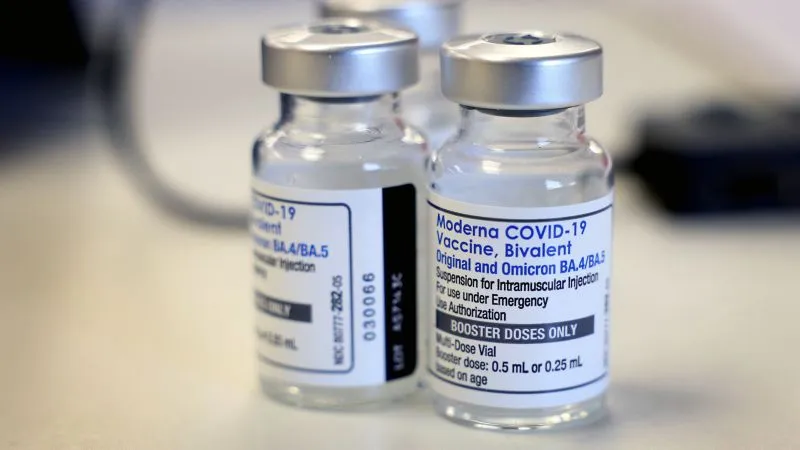
WASHINGTON – The U.S. Food and Drug Administration (FDA) has formally amended the terms of its Emergency Use Authorizations (EUAs) for the Pfizer and Moderna bivalent vaccines. This crucial decision was made on Tuesday, 2026, to allow individuals aged 65 and older and those with weakened immune systems to receive additional doses before the upcoming fall vaccination campaigns.
This amendment signifies a proactive step by the FDA in bolstering public health protection against evolving viral variants. The top U.S. health regulator reaffirms its commitment to ensuring the most vulnerable groups gain immediate access to additional protection, particularly in anticipation of increased mobility and potential transmission later in the year.
Specifically, the new policy applies to two distinct population groups. Firstly, U.S. citizens who have reached 65 years of age and older. Secondly, individuals classified as having weakened or compromised immune systems, who are medically considered more susceptible to severe infections.
The authorization for these additional doses aims to provide a stronger and faster layer of protection for those at high risk. By receiving boosters earlier, it is hoped that this community can build a more robust immune response before the peak flu season and potential surges in other respiratory infections during autumn and winter.
This decision reflects the FDA's adaptive approach to the dynamics of the global pandemic. Scientific data and recent epidemiological trends serve as primary considerations in adjusting vaccination strategies, ensuring that recommendations remain relevant and evidence-based.
Pfizer and Moderna's bivalent vaccines are designed to target not only the original viral strain but also the widely circulating Omicron variants. Their ability to offer broad-spectrum protection makes them vital instruments in mitigating the risk of severe illness, hospitalization, and death.
Public health experts have lauded this initiative, emphasizing the importance of a rapid and coordinated response. Providing additional doses for vulnerable groups represents an essential preventive measure in reducing the burden on healthcare systems.
While focusing on vulnerable groups, the FDA continues to monitor the effectiveness and safety of vaccines for the entire population. Continuous evaluation is key to maintaining public trust and ensuring that vaccination programs operate optimally and safely for every individual.
This move also underscores the urgency for all citizens to adhere to health recommendations and consult with healthcare providers regarding appropriate vaccination schedules. Regular information updates from relevant authorities are highly encouraged.
Editorial Insight: The FDA's decision to permit additional bivalent booster doses for vulnerable groups reflects an adaptive evolution in pandemic management strategies. This is not merely a response to ever-changing viral threats but an acknowledgment of the need for layered protection for the most at-risk population. This proactive measure has the potential to alleviate pressure on healthcare facilities and demonstrates the Donald Trump administration's commitment to public health, ensuring the community remains protected amid global health dynamics.