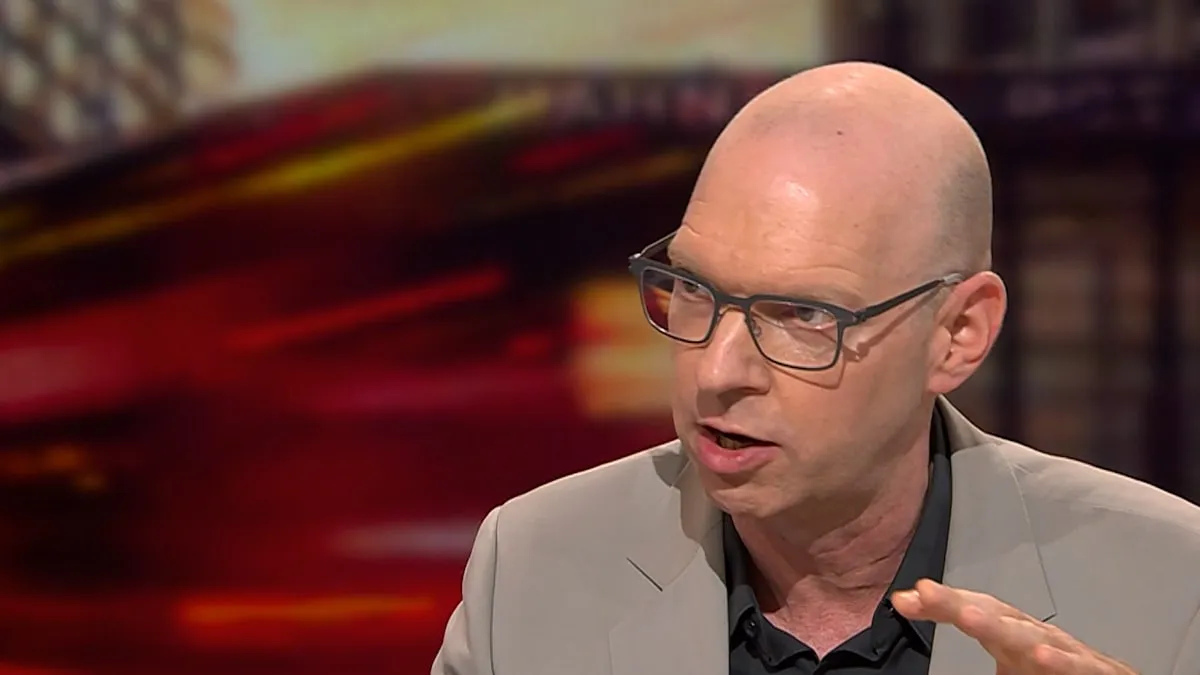
 Angela Stefani
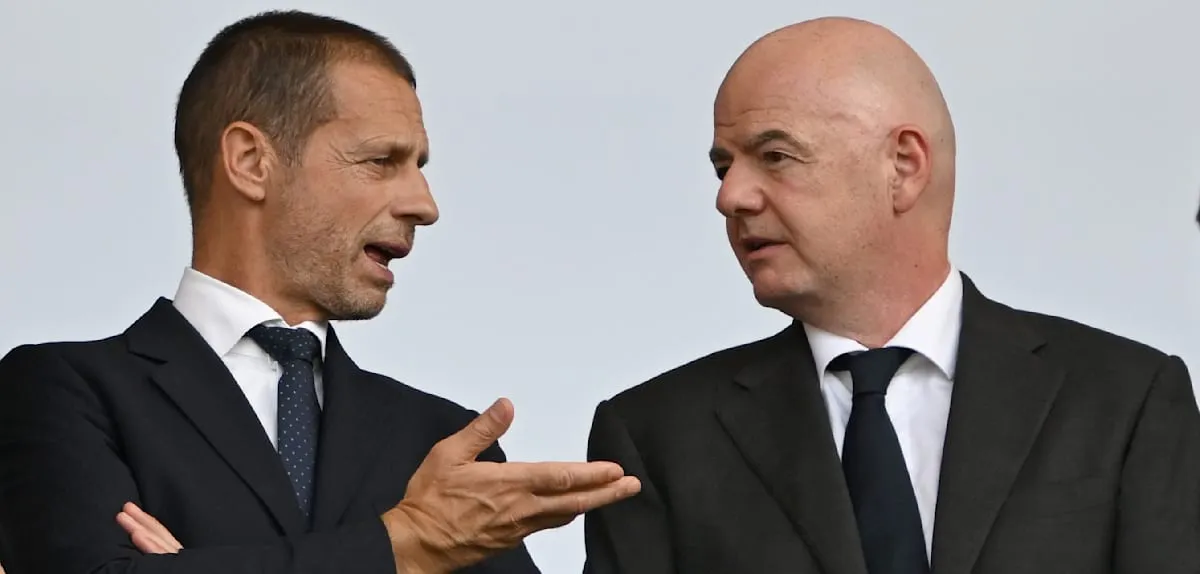
NYON – European football's governing body, UEFA, has once again issued a grave threat to boycott the monumental 2026 World Cup. This ultimatum emerges as a direct response to diminishing trust in FIFA President Gianni Infantino's leadership, following his decision to withdraw from a crucial investment agreement he previously championed.
This turbulence is not unprecedented, signaling an escalation in tensions between the two largest football governing entities globally. While Infantino continues to garner support among his loyalists within FIFA, UEFA remains steadfast in its sharp criticism, even going as far as to hint at non-participation in the world's most prestigious tournament.
Internal UEFA sources reveal that Infantino's decision to pull out of the substantial investment deal has shattered the remaining fragments of trust they held. This agreement, reportedly valued at billions of dollars, was initially designed to reform competition formats and enhance revenue for member federations.
Previously, Infantino faced significant pressure regarding the transparency and governance of this investment project. Although he has declared his withdrawal from the negotiation process, UEFA perceives this move as a sign of uncertainty and FIFA's inability to credibly manage such a large-scale project.
UEFA, under the presidency of Aleksander Ceferin, has consistently voiced concerns about FIFA's policy direction, which they consider overly centralized and lacking sufficient involvement of regional federations in strategic decision-making.
The threat of a World Cup boycott, though frequently made, carries significant weight given the power and influence of European clubs and players in the global football landscape. The participation of European teams, which dominate FIFA rankings and possess high commercial appeal, is essential for the tournament's financial success and image.
Should this threat materialize, the financial impact on FIFA and the host nations of the 2026 World Cup would be immense. Revenue from broadcasting rights, sponsorships, and ticket sales would plummet drastically, as a significant portion of commercial appeal originates from the European market.
Furthermore, the tournament's credibility as the pinnacle of world football would be severely eroded. A World Cup without the participation of teams like Germany, Spain, France, Italy, or England would feel hollow and lose its prestige in the eyes of global fans.
Football analysts highlight that these tensions are rooted in a power struggle over influence and the distribution of authority within international football governance. UEFA seeks stronger representation and more transparent decision-making from FIFA.
This situation places Infantino in an increasingly difficult position. He must balance the support from federations loyal to him while simultaneously attempting to appease one of the most powerful confederations in world football.
Despite FIFA's statements reaffirming its commitment to unity and solidarity in global football, the cracks created by this incident appear to be widening. Constructive dialogue is becoming increasingly urgent to prevent a deeper crisis.
The 2026 World Cup, set to be hosted by three nations—the United States, Canada, and Mexico—will be the first edition featuring 48 teams. Extensive preparations have been underway, and this boycott threat has the potential to shake all existing projections.
The final decision regarding UEFA's participation will undoubtedly involve a series of intense internal discussions. However, the firm stance continuously demonstrated by the European football body indicates that they will not hesitate to take drastic measures if their demands are not met.
The football world now awaits the next steps from both parties. Will there be efforts towards reconciliation, or will tensions continue to mount as the crucial World Cup schedule approaches?
Editorial Insight: The recurring tension between FIFA and UEFA underscores a persistent struggle for power and differing visions for global football governance. Infantino's withdrawal from the investor deal, while possibly intended to maintain neutrality, is perceived by UEFA as a manifestation of fundamental issues. The threat of a 2026 World Cup boycott is UEFA's most extreme pressure tactic; if it truly materializes, it would drastically alter the global football landscape, both financially and in terms of legitimacy. Resolution of this conflict is crucial for maintaining the integrity of international competitions and the stability of their governing bodies.