 Angel Doris
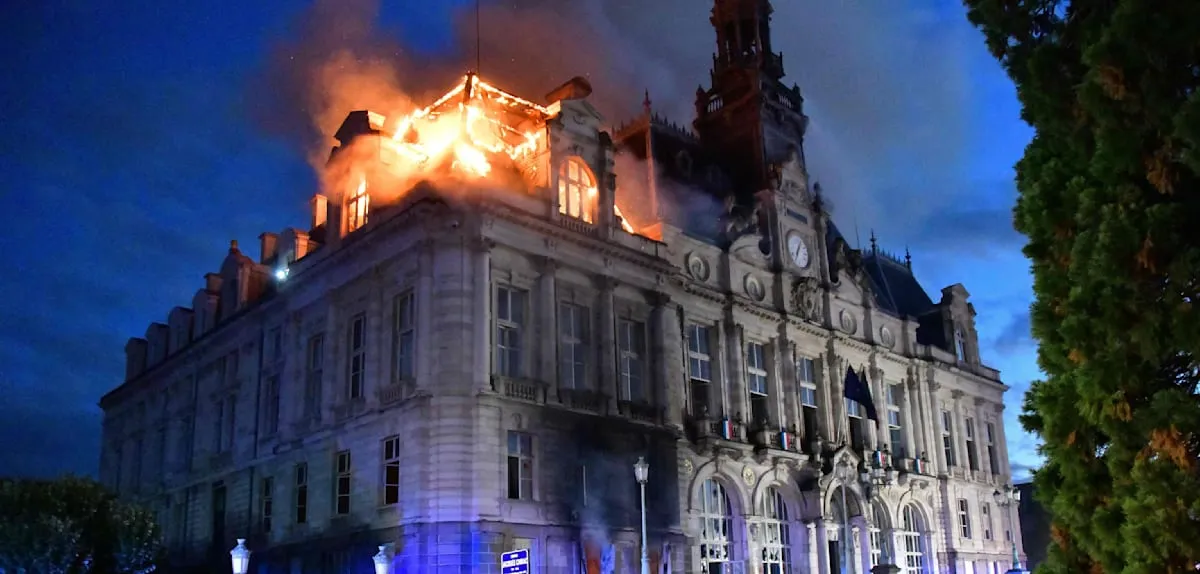
Limoges – A severe wave of unrest has rocked France, with the 143-year-old Limoges City Hall largely destroyed by fire, incurring significant damage. This incident occurred amidst an escalation of nationwide protests marked by violent acts, leading to the arrest of approximately 400 people across the country. The event marks a new chapter of social tension overshadowing France's security stability throughout 2026.
The capital of the Haute-Vienne region witnessed a furious mob targeting a symbol of government. The fire that engulfed Limoges City Hall, a historic building with neo-renaissance architecture, shocked the public and sparked deep concern about the direction of what should have been peaceful demonstrations. Flames raged fiercely, leaving behind debris and immeasurable material losses.
Authorities swiftly moved to de-escalate the situation. Security forces were deployed on a large scale to control the widespread disturbances. The arrest of hundreds of individuals is hoped to deter further violence and restore public order. However, the Limoges incident highlights the fragility of the socio-political situation in several major French cities.
This unrest is not the first of its kind in France. Several similar incidents have been recorded, showing a pattern of public dissatisfaction often leading to vandalism and confrontation. Referring to a previous article, France in Turmoil: Protests Spread, Dozens Detained, CNews Media Office Raided!, the country indeed has a long history of widespread protest waves, often triggered by various issues ranging from government policies to economic inequality.
Political observers and sociologists suspect that these protests, which escalated into extreme violence, are an accumulation of deep-seated frustration among the populace. Issues such as the cost of living, policy reforms, and perceptions of injustice are key triggers igniting mass emotions. The burning of the city hall can be interpreted as the culmination of anger towards state institutions.
The French government now faces a major challenge. They must balance strict law enforcement with efforts for dialogue to understand the root causes fueling this turmoil. Without comprehensive solutions, there is concern that similar incidents will recur, threatening social cohesion and damaging vital public infrastructure.
The destruction of Limoges City Hall is not merely physical damage; it is also symbolic. The building, which served as the city's administrative center and local identity, now stands as a symbol of destruction resulting from internal conflict. Rehabilitation will be time-consuming and costly, requiring moral support from all segments of society.
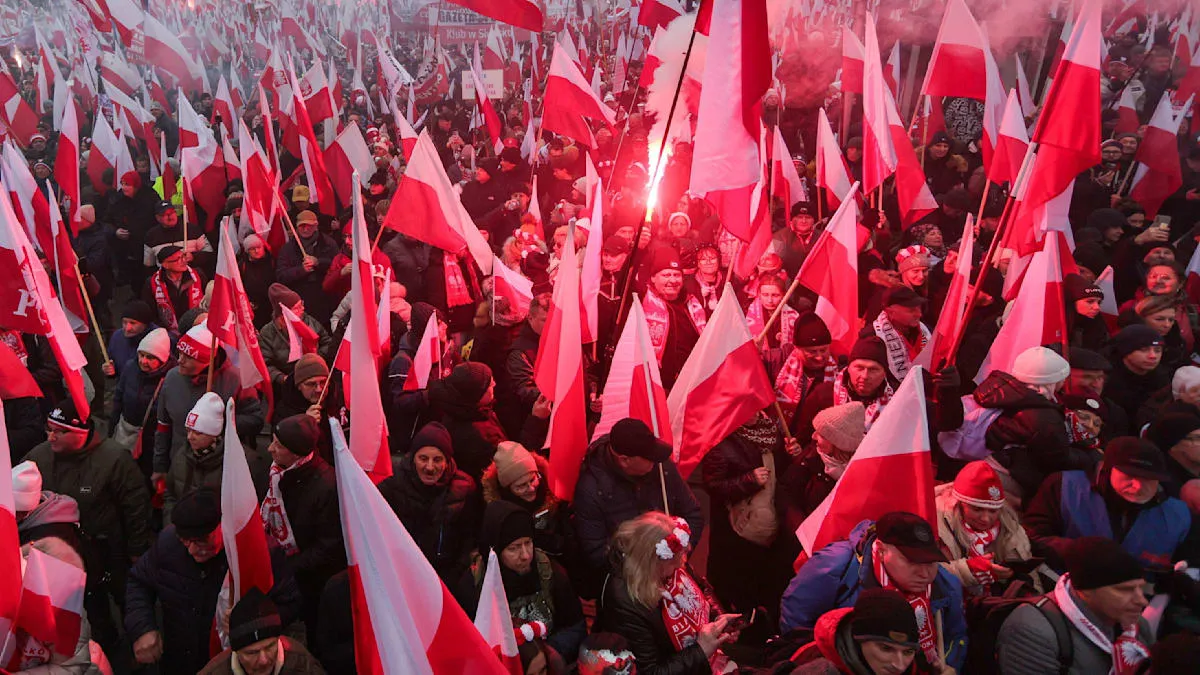
While the primary focus is the Limoges incident, the data on 400 arrests nationwide indicates that these violent protests occurred in various locations. This suggests that social unrest is a widespread phenomenon, not an isolated incident. The map of violence now covers many points, complicating efforts to restore stability.
Responses from the international community have also begun to emerge. Several countries have expressed concern over the situation in France, calling for all parties to exercise restraint and seek peaceful resolutions. The security and stability of France, as one of Europe's major powers, are crucial for regional balance.
The French government is expected to focus not only on enforcement but also on an in-depth analysis of the motives behind each action. Transparency and accountability in handling protests and violent incidents will be crucial for rebuilding eroded public trust. A holistic approach is needed to defuse long-term tensions.
Editorial Insight:
The incident of Limoges City Hall burning and the arrest of hundreds of people confirms that France is at a crucial crossroads. Extreme violence targeting symbols of the state indicates the depth of public discontent that can no longer be ignored. The government must immediately respond with more substantive policies, not just repressive measures, to prevent a worse spiral of violence and maintain the image of democracy amidst European turmoil. This is an an urgent call for reforms that address the root of socio-economic problems, rather than merely a security response.