 Debby Wijaya
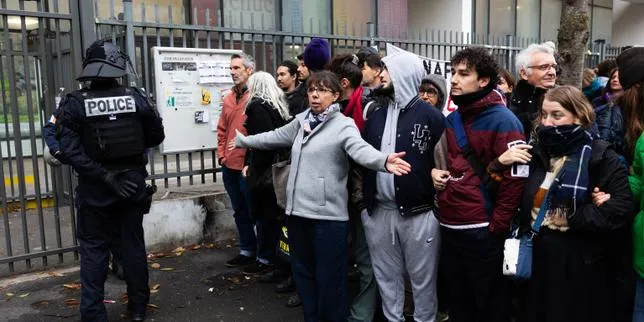
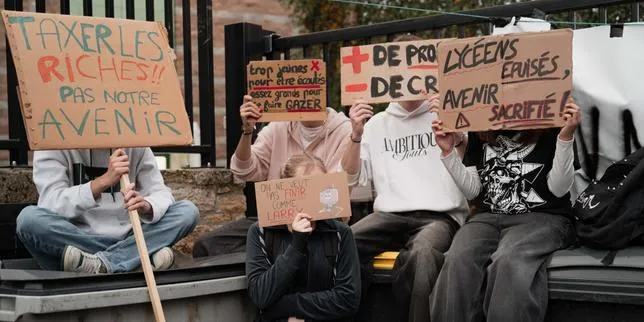
PARIS – France is once again gripped by a significant escalation of tensions following the continued student movement across various high schools nationwide. After the 2026 school holidays, blockades and demonstrations demanding government attention to educational issues have triggered intense confrontations among students, parents, teachers, school authorities, and security forces. The Ministry of National Education admits difficulty in estimating the exact number of affected schools, indicating that official figures might underestimate the true scale of this mobilization.
The wave of protests, which had previously subsided, has now resurged with higher intensity. Numerous lycees report ongoing blockade attempts, disrupting teaching and learning activities and causing serious concern among the public. This situation is not confined to school gates but extends to arguments and physical clashes in several locations.
The French government, through its Ministry of National Education, faces immense pressure to address the students' demands. While the ministry strives to de-escalate the situation, official statements reveal a struggle to accurately gauge the movement's spread. This indication exacerbates public perception that the government lacks transparency and responsiveness. Some parties even question the accuracy of the data presented, as previously highlighted in discussions surrounding transparency of French student action data.
Students highlight a range of issues fueling their anger, from educational policies deemed unfair, lack of resources, to excessive academic pressure. They feel their voices have not been adequately heard by the relevant authorities.
A teacher at a high school on the outskirts of Paris, who preferred anonymity, expressed concern. 'We are caught in the middle. We understand the students' frustrations, but we must also ensure safety and the continuity of the learning process. It's a very difficult situation for all parties,' he stated.
These actions have also drawn the attention of parents, who are divided between supporting their children's aspirations and worrying about the long-term impact on education. Some parents even participate in the protests, while others urge the government to promptly find peaceful solutions.
Tensions are not limited to civilians. Reports indicate an increased frequency of confrontations between demonstrators and security forces attempting to disperse blockades and maintain public order. These incidents have the potential to further escalate if not handled judiciously.
The history of student movements in France is deeply rooted, often serving as a barometer of social and political discontent. Given the context of new waves of student protests in 2026 leveraging digital platforms, this mobilization exhibits a distinct and more unpredictable pattern.
In response to the situation, several education experts call for constructive dialogue among the government, students, teachers, and parents. Without effective communication, there is concern that the spiral of tension will continue, undermining the future of education for France's youth.
Editorial Insight:
The escalation of student protests in France following the 2026 school holidays reveals the fragility of the education system amid increasingly complex social challenges. The Ministry of National Education's inability to accurately estimate the scale of blockades indicates a communication and trust gap between the government and the public, especially the youth. This situation not only has implications for educational stability but also risks triggering broader social unrest if the students' fundamental demands continue to be ignored. The government needs to formulate a more inclusive and transparent approach urgently.